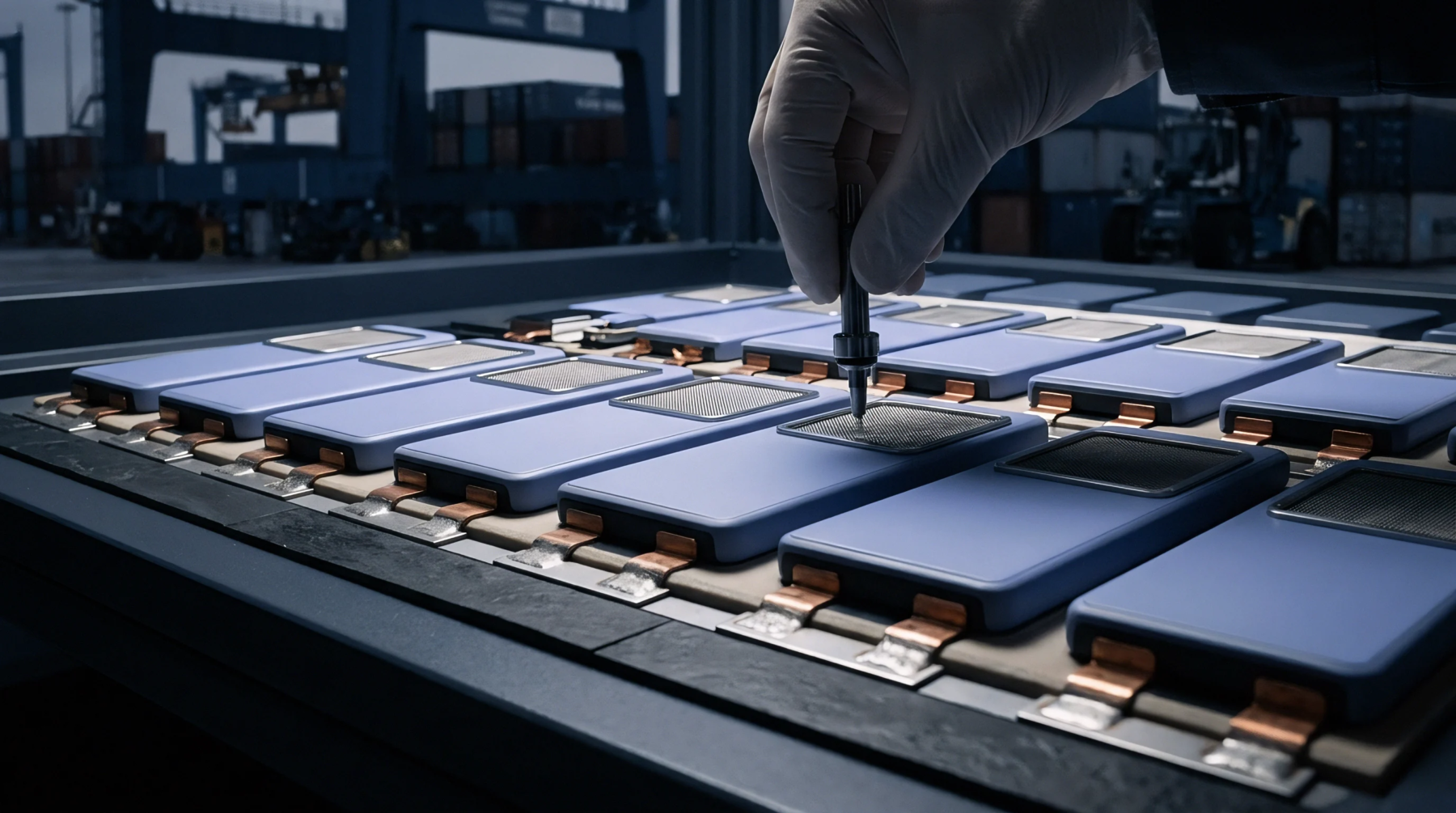
Distinguishing AC Impedance and DC Resistance in Prismatic Cell Quality Control
AC impedance screens tab welds at high speed while DC resistance predicts real operating voltage drop, thermal runaway risk, and pack degradation.
AC impedance screens tab welds at high speed while DC resistance predicts real operating voltage drop, thermal runaway risk, and pack degradation.
Reduced energy storage clearances require UL 9540A full-scale fire test proof showing adjacent cabinet radiant flux stays below 12.5 kW/m² to prevent fire spread.
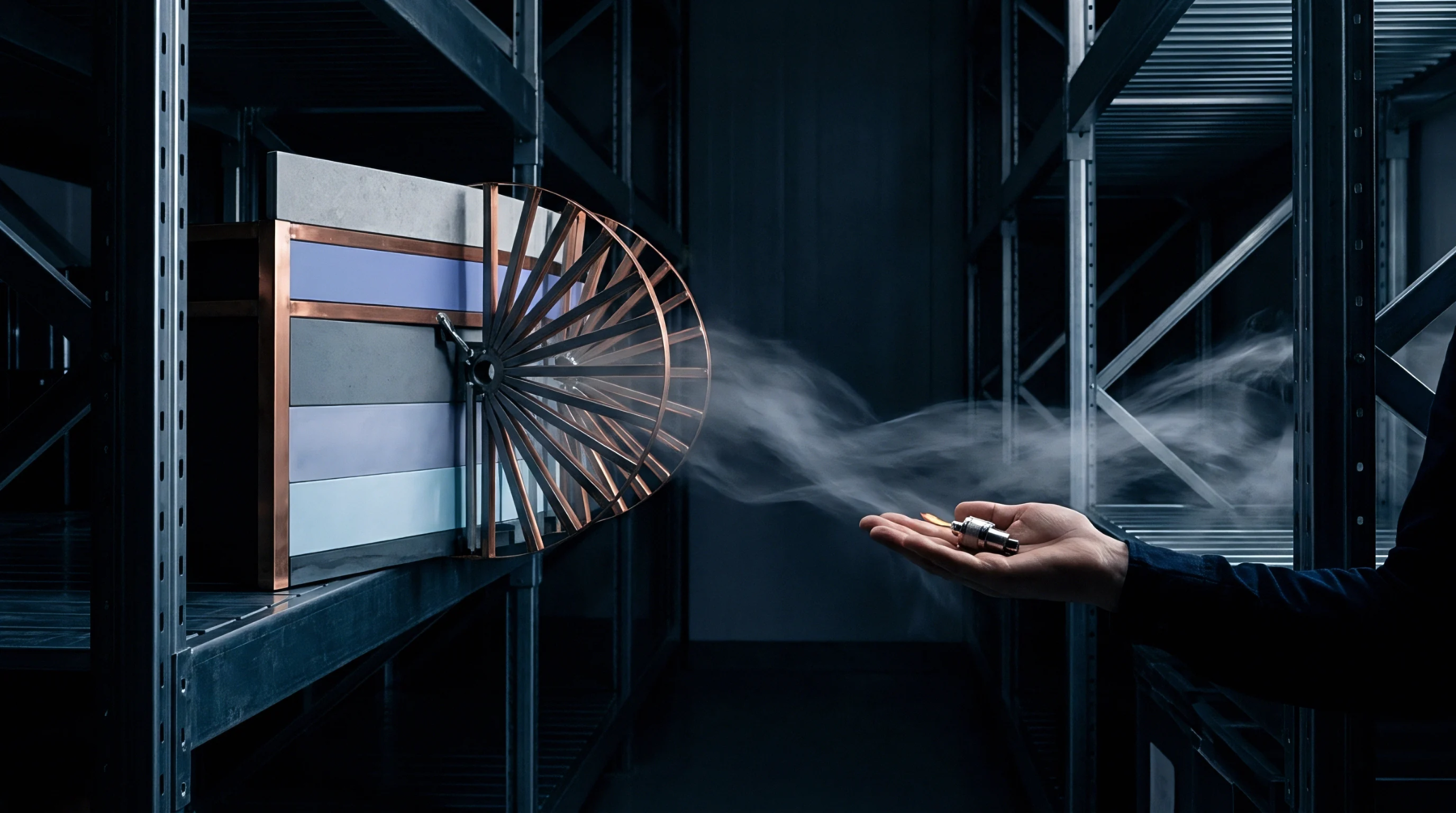
Unit-level UL 9540A metrics define gas generation, radiant heat flux, and deflagration limits needed to clear NFPA 855 unit separation mandates.

Importers carry strict liability for invalid UN 38.3 certificates when subcontracted labs lack accredited scope, driving mandatory direct accreditation audits.
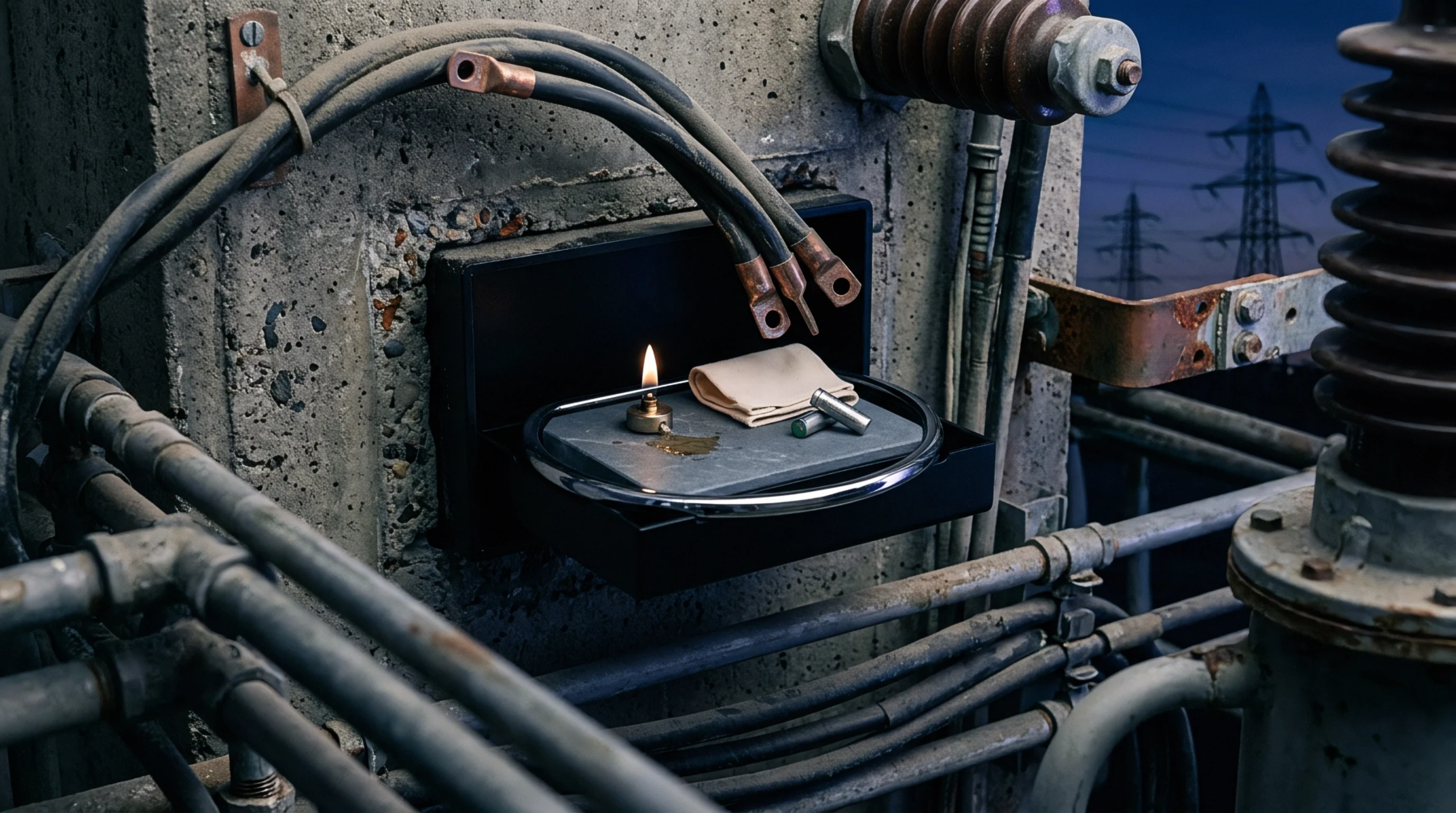
Controlling pitch air-oxidation at 260°C yields oxygen uptake above 8 percent, preventing mesophase growth and maximizing sodium storage plateau capacity.
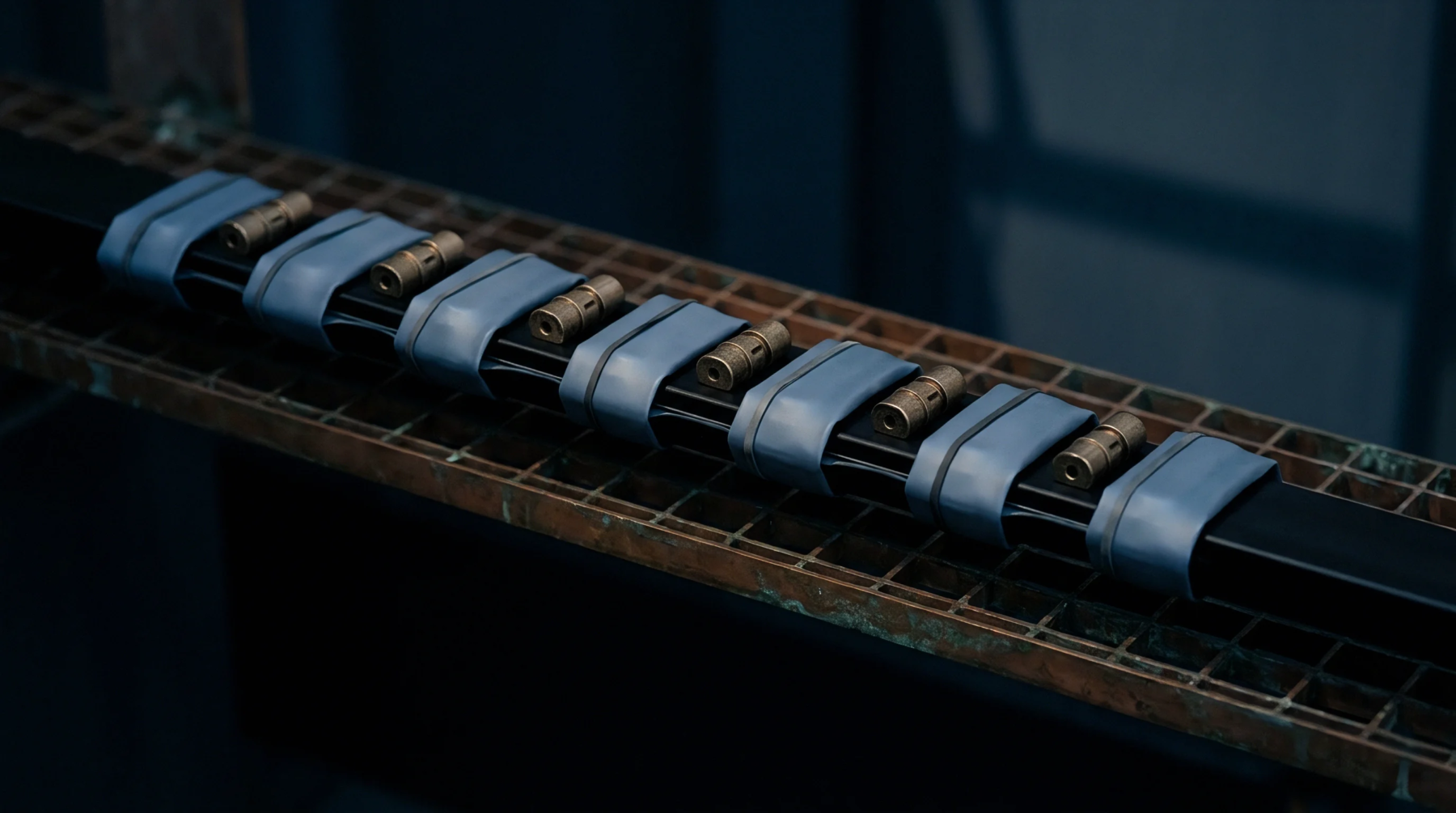
Automated off-gas false positives trigger terminal hazmat quarantines, shifting demurrage and testing liabilities to cargo owners unless contractual riders preempt tariff liens.

Automated VOC detection limits for lithium battery cargo require setting DMC thresholds below 1 ppm while filtering ambient timber and adhesive backgrounds.

Matching material compliance to prismatic swell while controlling bond line thickness dictates thermal impedance, voltage isolation, and pack yield.
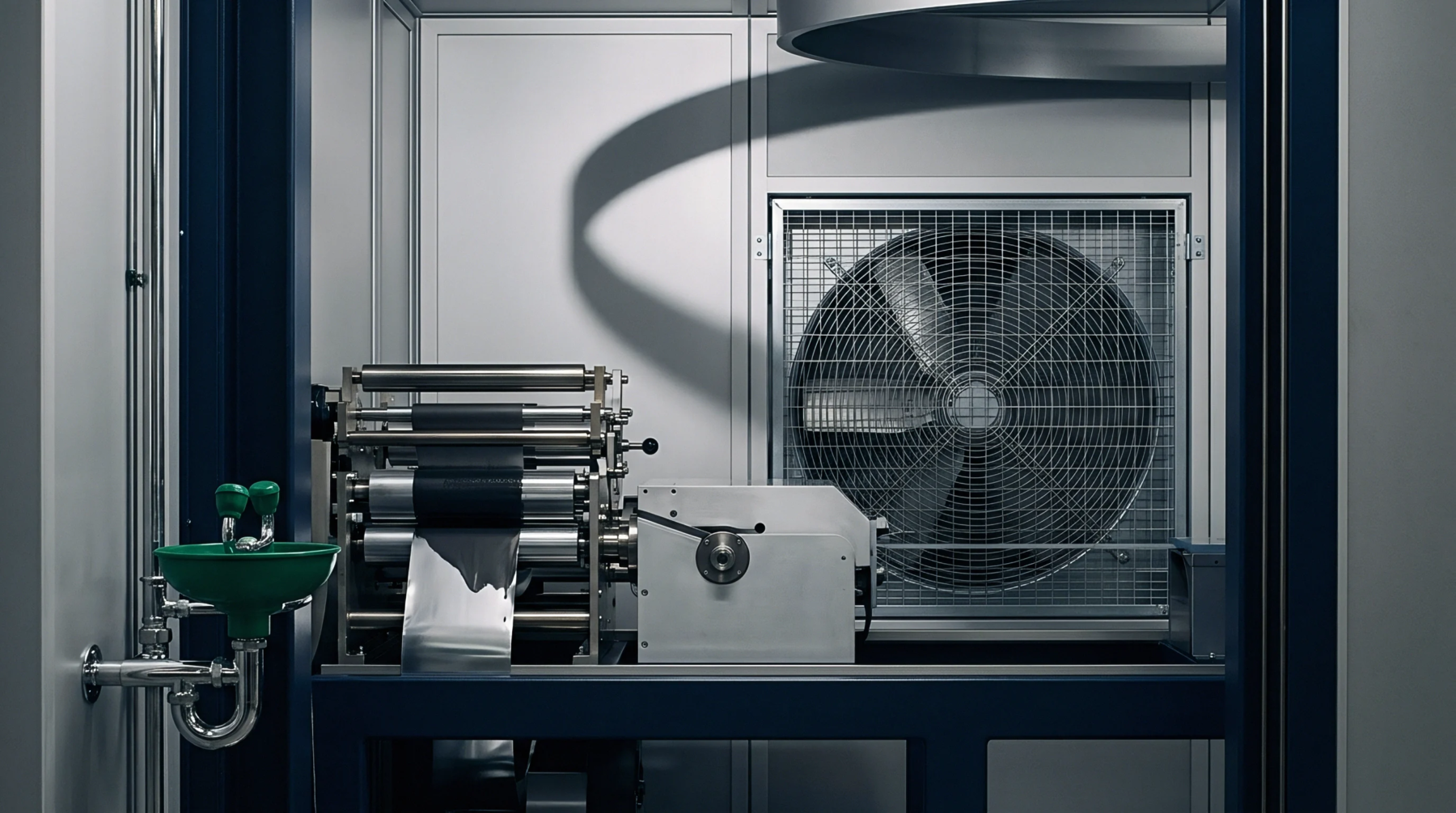
Verify UN 38.3 test summaries, enforce the 30% state of charge ceiling, and audit packaging specs to ensure compliant battery air freight.

Asset owners must require HIL testing, dual-key signing, and written vendor regulatory indemnities before authorizing remote third-party firmware updates.

Post-charge voltage relaxation inflection tracking reveals sub-zero metallic lithium plating before irreversible dendrite growth damages cold storage battery packs.

Advanced cathode interphase diagnostics combine cryogenic vacuum spectroscopy with operando gas analysis to prevent high-voltage capacity fade and regulatory transport rejections.

ISO 17025 audit verification demands validating test parameters against the lab schedule on the ILAC MRA portal to prevent compliance holds
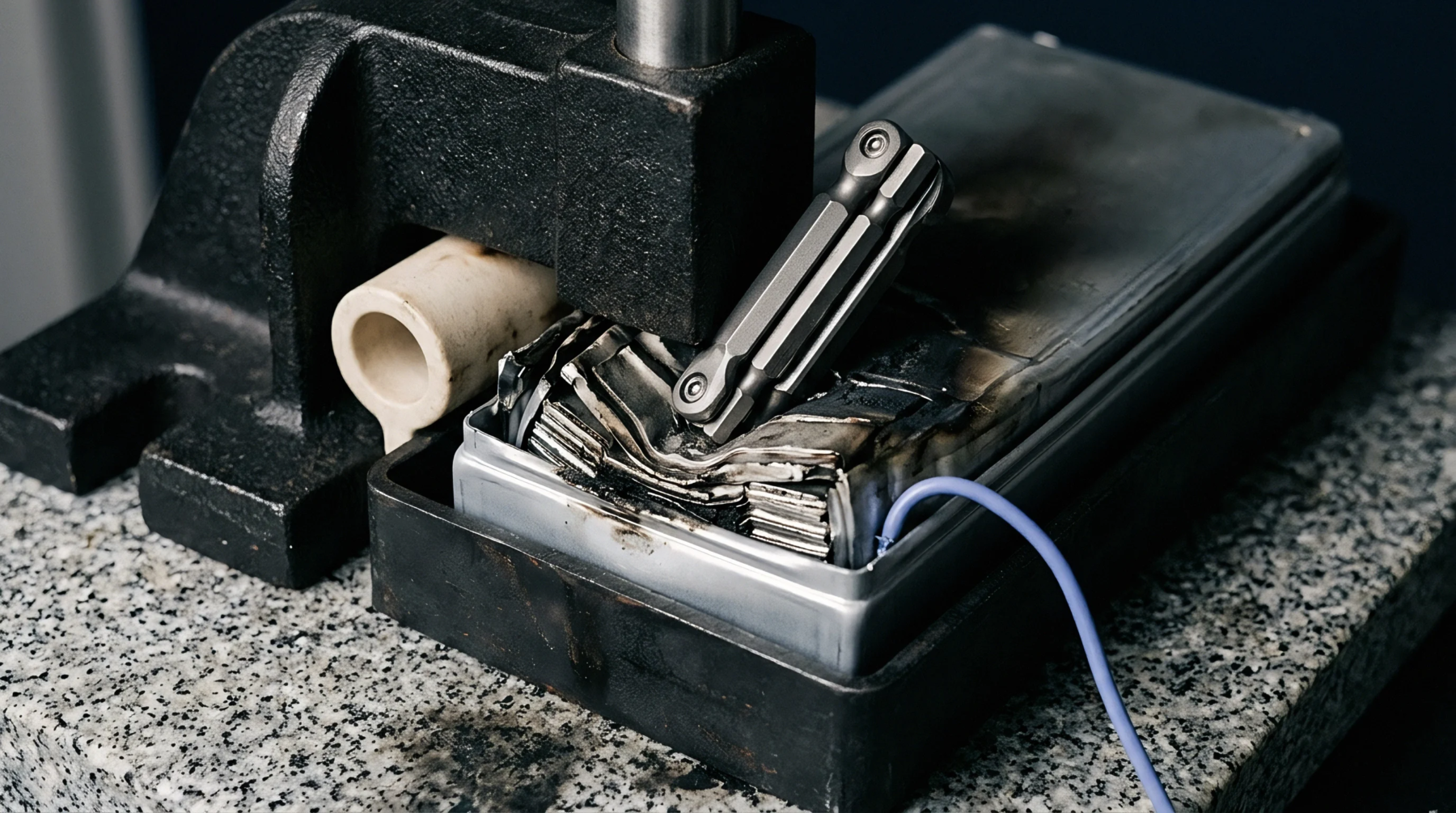
Verify UN 38.3.5 summary authenticity and lab ISO 17025 scope before tendering battery cargo to prevent customs seizure and catastrophic demurrage.

Grid battery enclosures require passive inter-cell thermal barriers to limit conductive heat flux below 120 kW/m² and contain thermal runaway propagation.
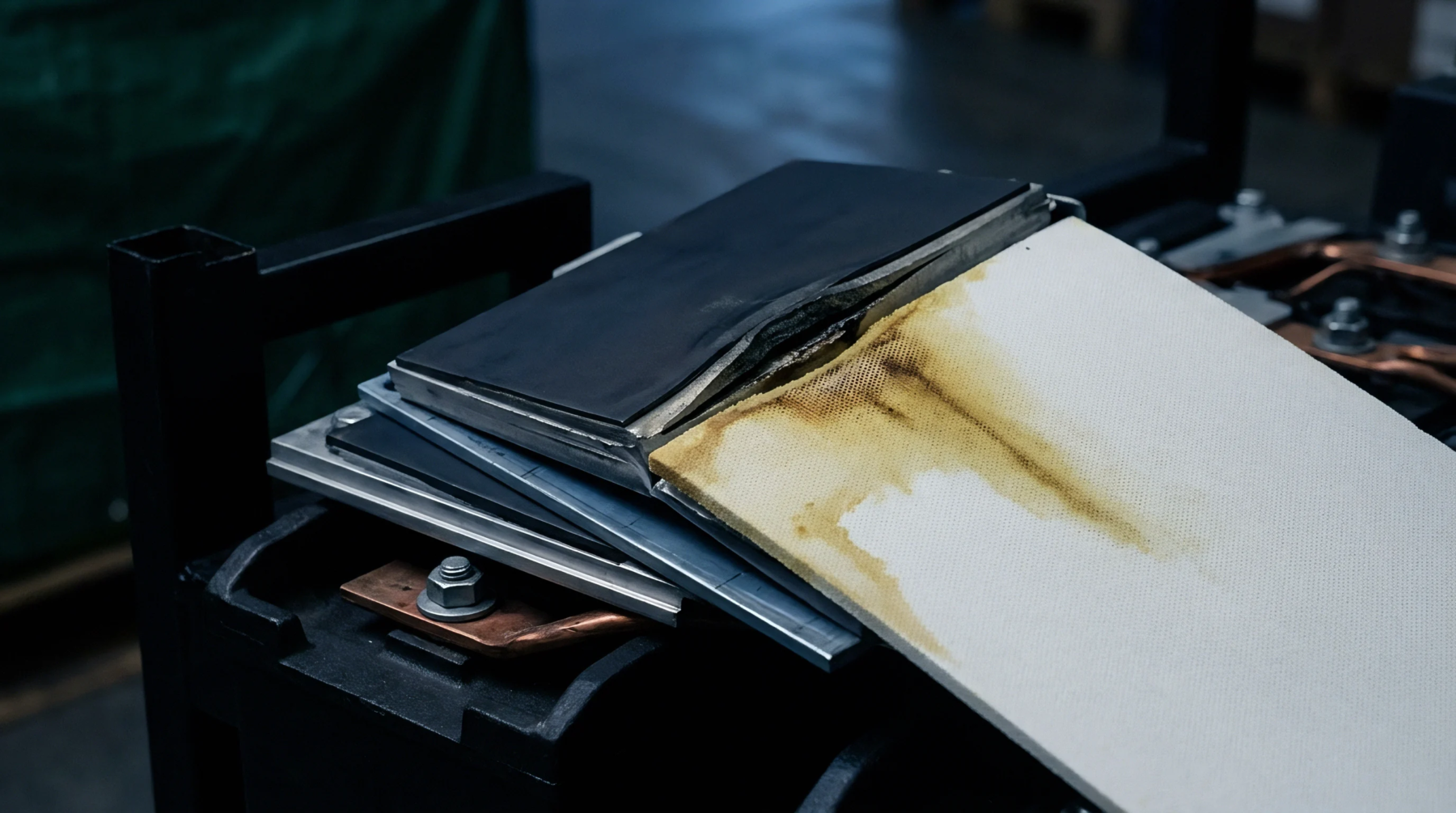
Containerized battery shipments require strict IMDG segregation, state of charge caps under thirty percent, and passive thermal isolation on deck.

Subzero charging forces graphite anode potential below zero volts against lithium, driving metallic plating over intercalation and causing rapid battery capacity loss.

Uncertified cell freight moves legally under Special Provision exemptions; contract terms must shift dangerous goods declaration liabilities to origin shippers.
Expertise is a utility, not a secret. sentiention™ publishes its working knowledge as open reference: intelligence layer covering the materials it sources, the markets it enters, and the reference that serves both.