Meaning
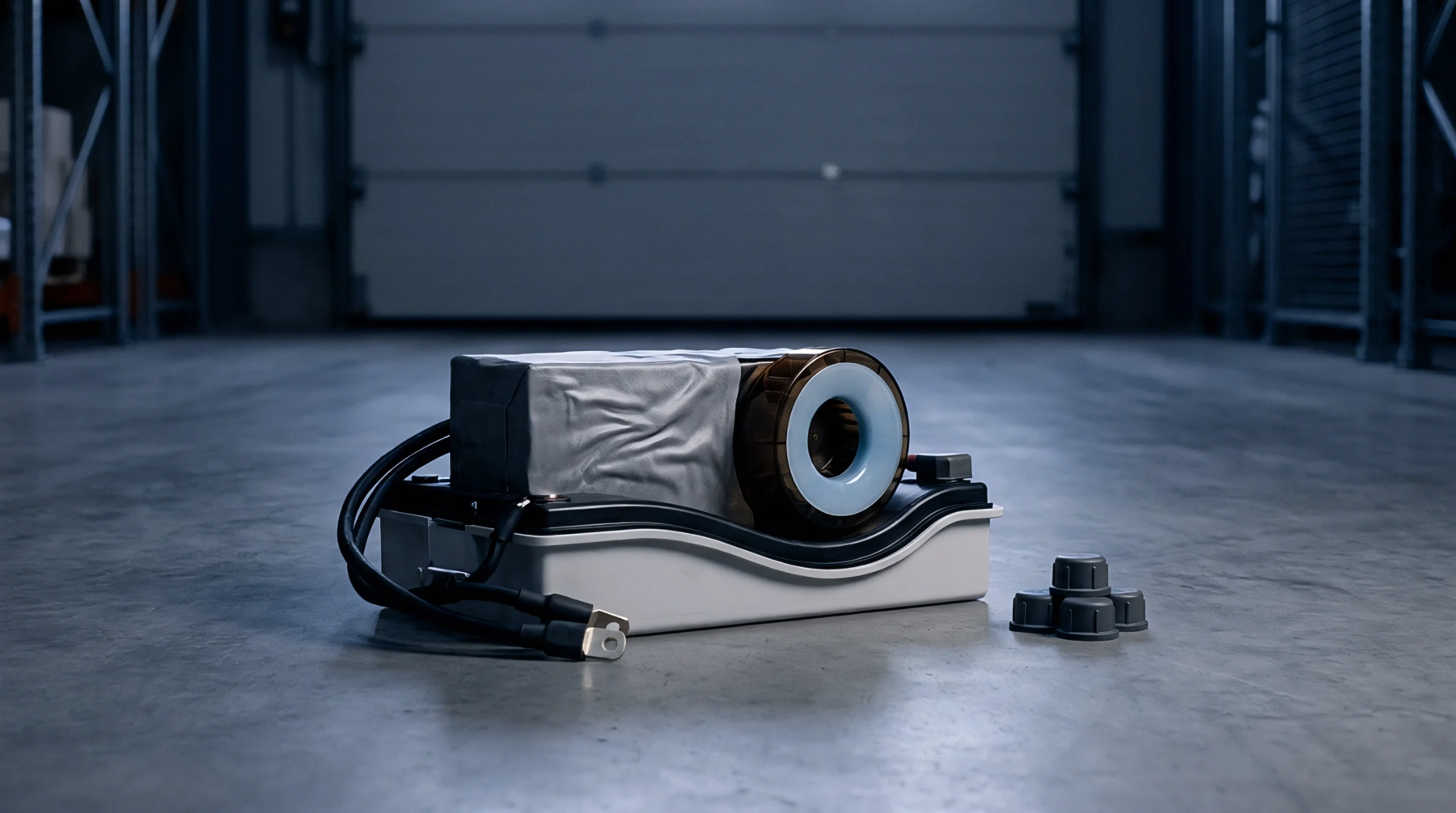
This comprehensive safety benchmark evaluates the performance of batteries in stationary power applications such as residential or utility energy storage systems. It governs the construction, testing and performance of individual cells as they are combined into larger packs for grid tied backup duties. Compliance ensures that the hardware can withstand physical impacts, electrical surges and harsh environmental conditions without creating fire or explosion hazards for adjacent equipment.
Every product bearing the ul 1973 mark has passed a rigorous sequence of thermal runaway and mechanical abuse assessments designed to simulate decade long lifetimes. It differentiates safe household storage units from unregulated or untested battery hardware that might pose significant risks. Surveillance stops when a system is modified in the field or is moved into an application not covered by the certification scope.
System Certification
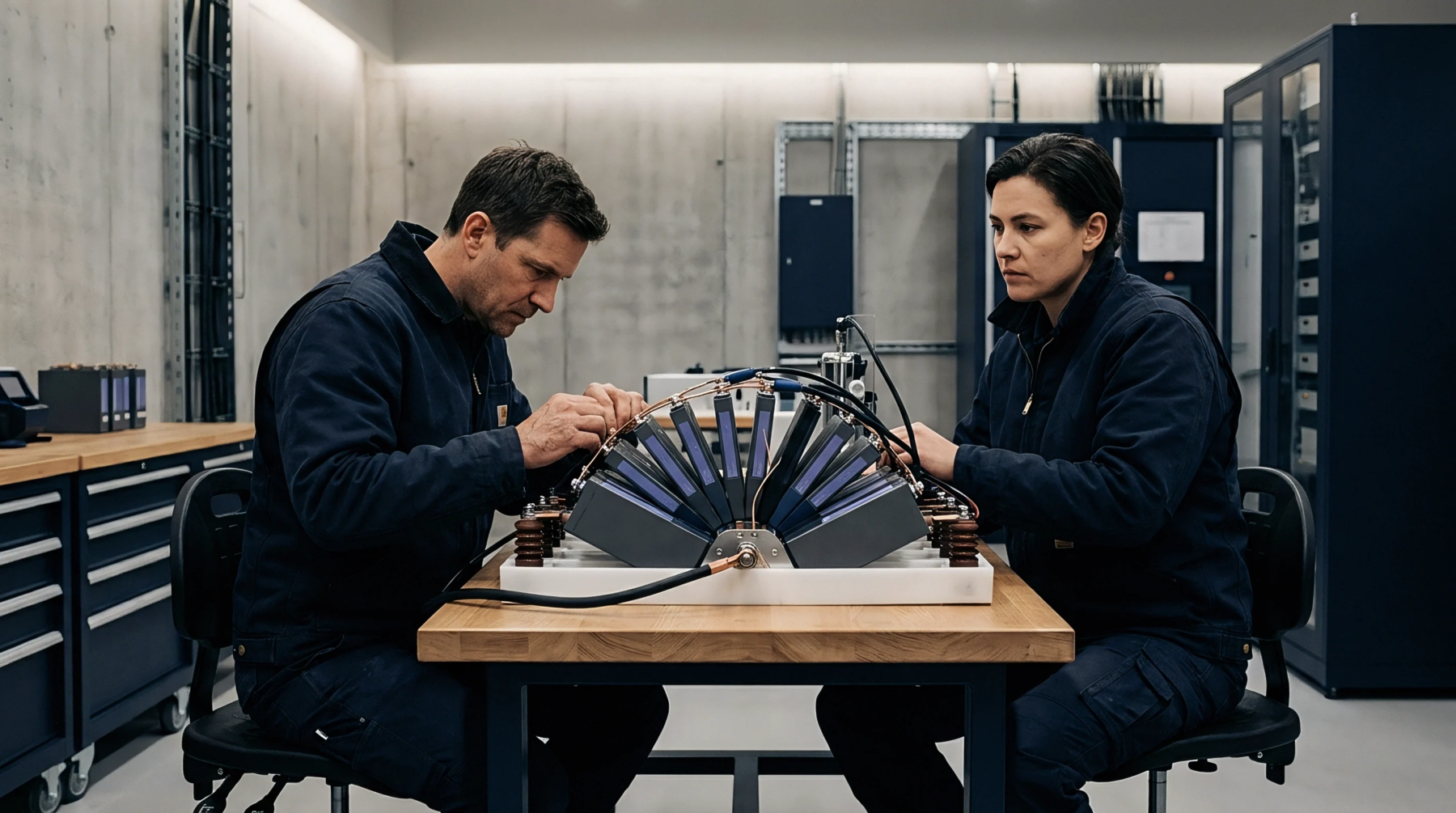
Accreditation requires a full submission of electrical designs and material fire ratings to determine if the baseline architecture prevents foreseeable failure modes. In addition to testing, ul 1973 auditors visit fabrication sites to ensure that production consistency matches the initial certified laboratory samples sent for review. This certification targets the complete assembly including chargers, control software and thermal management hardware working together as a single functional cabinet.
Safety boundaries are identified by pushing the system to its physical limits through overcharge and excessive discharge protocols inside a controlled blast room. Since international buyers look for this specific mark, obtaining it is a necessity for entering high value energy markets in north america. Consistent performance across several units is required to maintain the validity of the certificate over multiple production batches.
Stress Sequence
Testing involves subjecting the hardware to high temperature storage alongside repetitive mechanical shocks meant to simulate extreme seismic events or accidental drop conditions. During the ul 1973 assessment, sensors detect the onset of internal heating to confirm if the safety circuits can isolate a fault within microseconds. If gas is vented during the tests, it must do so in a controlled direction away from potential ignition sources defined in the lab setup.
Humidity exposure and salt spray trials identify if internal corrosion triggers short circuits over long deployment windows in coastal urban zones. Because fire containment is the focus, the housing must prove it can hold an internal event for several hours to allow emergency teams to respond. Success signals that the manufacturer has successfully identified and mitigated the most common triggers for system failure in modern batteries.
Risk Mitigation
Insurance providers often insist on seeing this mark before they provide liability coverage for businesses installing backup systems on their property. Manufacturers utilize ul 1973 data to refine their software algorithms that monitor the daily voltage trends of individual cells inside the modules. Higher energy density projects benefit from the rigorous insulation checks that prevent small leaks from becoming massive electrical arcs at high voltage tiers.
Buying teams compare several options and choose certified units to decrease the likelihood of site shutdowns or extensive retrofits caused by future regulatory updates. Documentation from the final report serves as evidence that the company takes proactive steps to protect the local environment from potential electrochemical leaks. Each yearly audit ensures that any minor changes in material suppliers have not lowered the overall safety profile of the finished rack.