Meaning
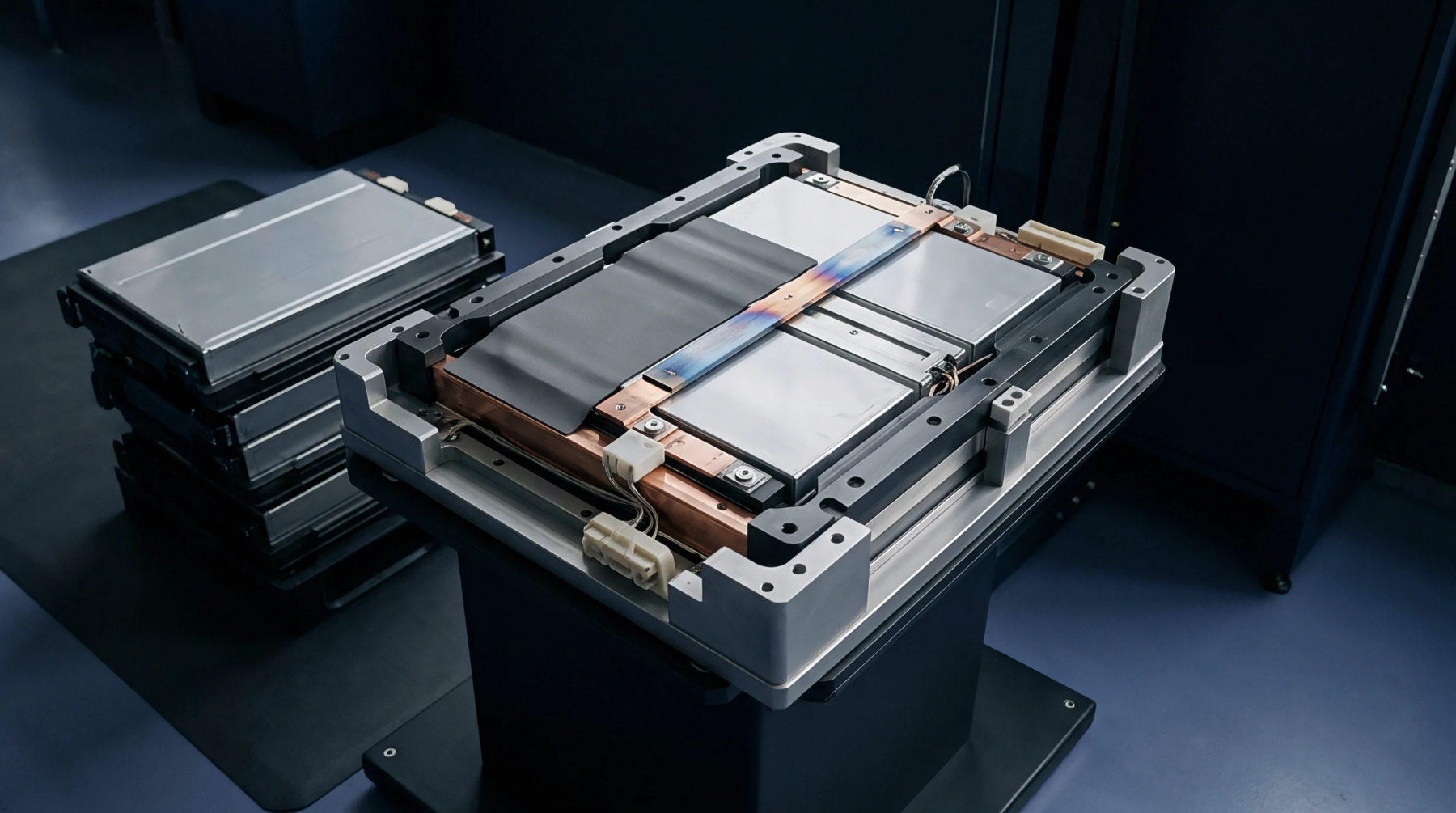
Lithium iron phosphate prismatic formats engineered around nominal ratings of 314 ampere-hours constitute a standardized utility-scale capacity class deployed in containerized battery systems. This rating class, designated commercially as 314ah energy storage, preserves the external mechanical envelope of previous 280 ampere-hour units while packing more active electrode mass within the same rectangular shell. Its boundary is defined by stationary utility and commercial installations operating at 0.5C or lower continuous discharge rates, stopping short of high-rate automotive traction duty cycles.
Commercial supply contracts evaluate these units against warranty ceilings tied to cumulative energy throughput and twenty-year degradation models.
Volumetric Efficiency
Electrochemical density gains in these units come from thinner copper and aluminium foil substrates alongside denser active material coatings. The 314ah energy storage format relies on elevated electrode tape lengths inside wound or stacked prismatic shells, lowering dead weight from packaging hardware and busbars. Interfacial pressures rise across the broader electrode faces during phase transformations, demanding robust mechanical compression inside container racks to suppress irreversible cell swelling.
Cell-level nominal capacities match specific standard energy contents of approximately 1004.8 watt-hours per unit under ambient standard testing conditions of 25 degrees Celsius. Volumetric energy density reaches roughly 380 to 400 watt-hours per litre, yielding system-level energy densities exceeding five megawatt-hours in standard twenty-foot shipping containers without expanding baseline physical footprints.
Thermal Behavior
Internal thermal paths lengthen across these large core dimensions because cross-plane thermal conductivity in stacked lithium iron phosphate elements remains poor. Heat generation during one-hour continuous discharges establishes measurable temperature deltas between internal central windings and external aluminium walls. Prismatic containers rely on bottom or dual-sided liquid cooling plates, yet uneven heat extraction can generate localized internal hot spots that accelerate active lithium inventory decay.
Prolonged thermal imbalances also create internal current flow skews between parallel interconnected cell strings within massive storage enclosures.
Procurement Criterion
Sourcing agreements for utility-scale deployments treat electrochemical degradation rates under elevated operating temperatures as the decisive benchmark. Acceptance testing requires verifiable end-of-life criteria confirming cell retention through seven thousand to ten thousand cycles under 0.5C charge and discharge conditions. Factory acceptance testing focuses on internal resistance drift measured by electrochemical impedance spectroscopy across initial burn-in periods, sorting out cells showing premature electrolyte depletion.
Production batches exhibiting variance in open-circuit voltage or accelerated capacity fading after three hundred preliminary cycles undergo immediate lot rejection.