Meaning
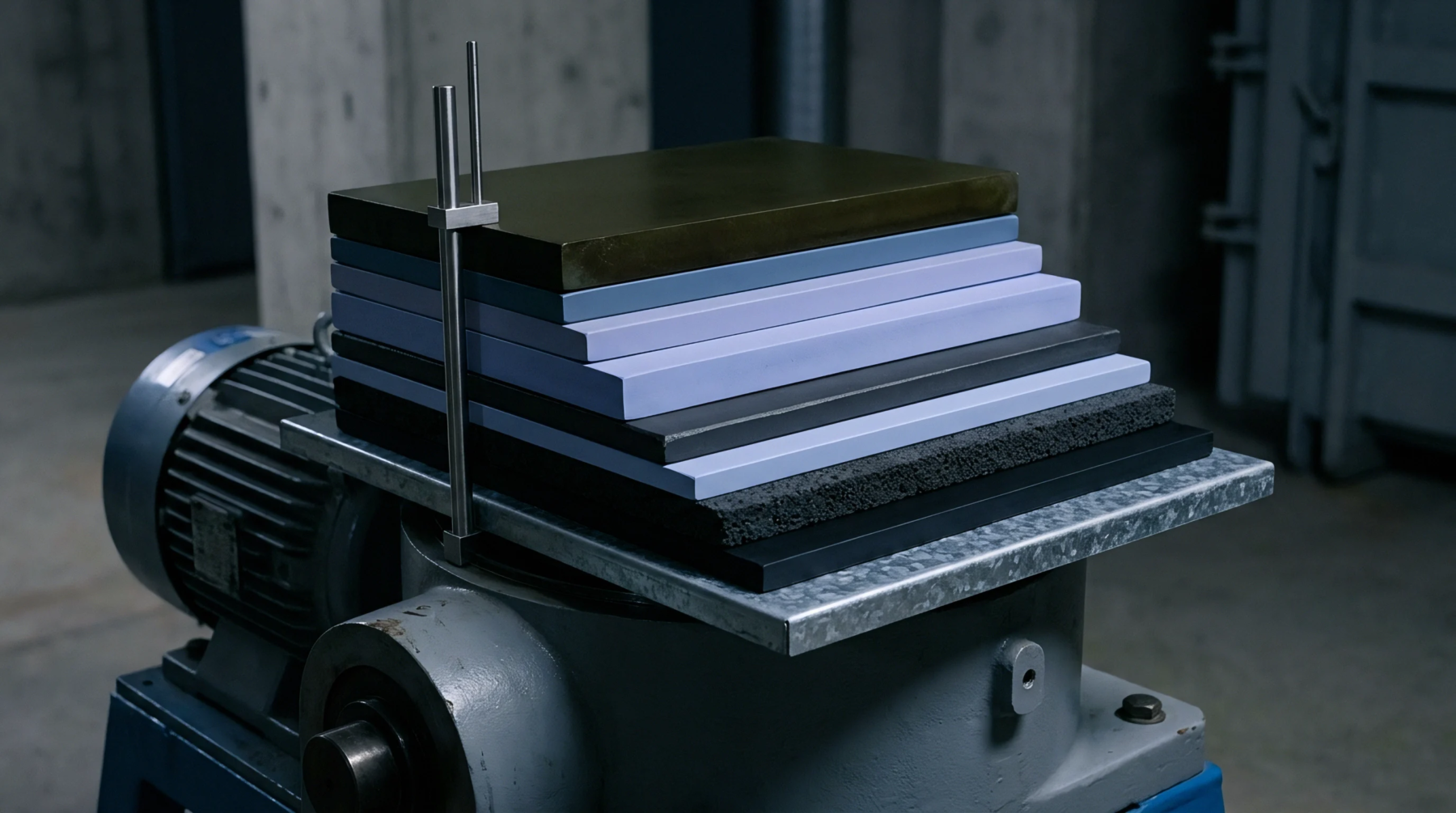
Mechanical restraint structures exert controlled force upon the planar surfaces of a lithium ion battery stack to maintain electrode contact and minimize internal degradation. An active compression frame modulates this load dynamically as the internal components undergo volumetric swelling or contraction during charging cycles. Such devices mitigate the risk of delamination or localized impedance growth that occurs when traditional passive clamping systems fail to adapt to thickness fluctuations.
Force Modulation
Servo motors or hydraulic pistons adjust the force applied by the plates in response to sensor feedback from the internal cell stack. Constant pressure remains at the optimal interface level defined by the manufacturer for the specific chemistry utilized in the module. This mechanism prevents excessive mechanical stress that triggers lithium plating while simultaneously ensuring electrical contact resistance stays below set thresholds.
Systems operating within this closed loop provide high reliability for high capacity energy storage solutions.
Thermal Regulation
Heat dissipation improves through the contact plates when they press firmly against the cells. Effective pressure distribution eliminates gaps that impede thermal flow and ensures uniform temperature gradients across the entire assembly. High ambient conditions or intense discharge rates force the structure to increase clamping pressure to keep the internal contact consistent and stable.
Efficient cooling follows directly from the maintenance of this uniform compression profile across the surface.
Cycle Longevity
Degradation rates fall significantly when the internal structure sustains consistent pressure over thousands of operational cycles. Batteries fitted with this technology show higher capacity retention because the electrodes remain aligned despite chemical expansion. The ability to counteract mechanical fatigue through active adjustment justifies the complexity of the hardware in demanding applications.
Sustained pressure control constitutes the primary factor in reaching the expected design life for large format prismatic cells.