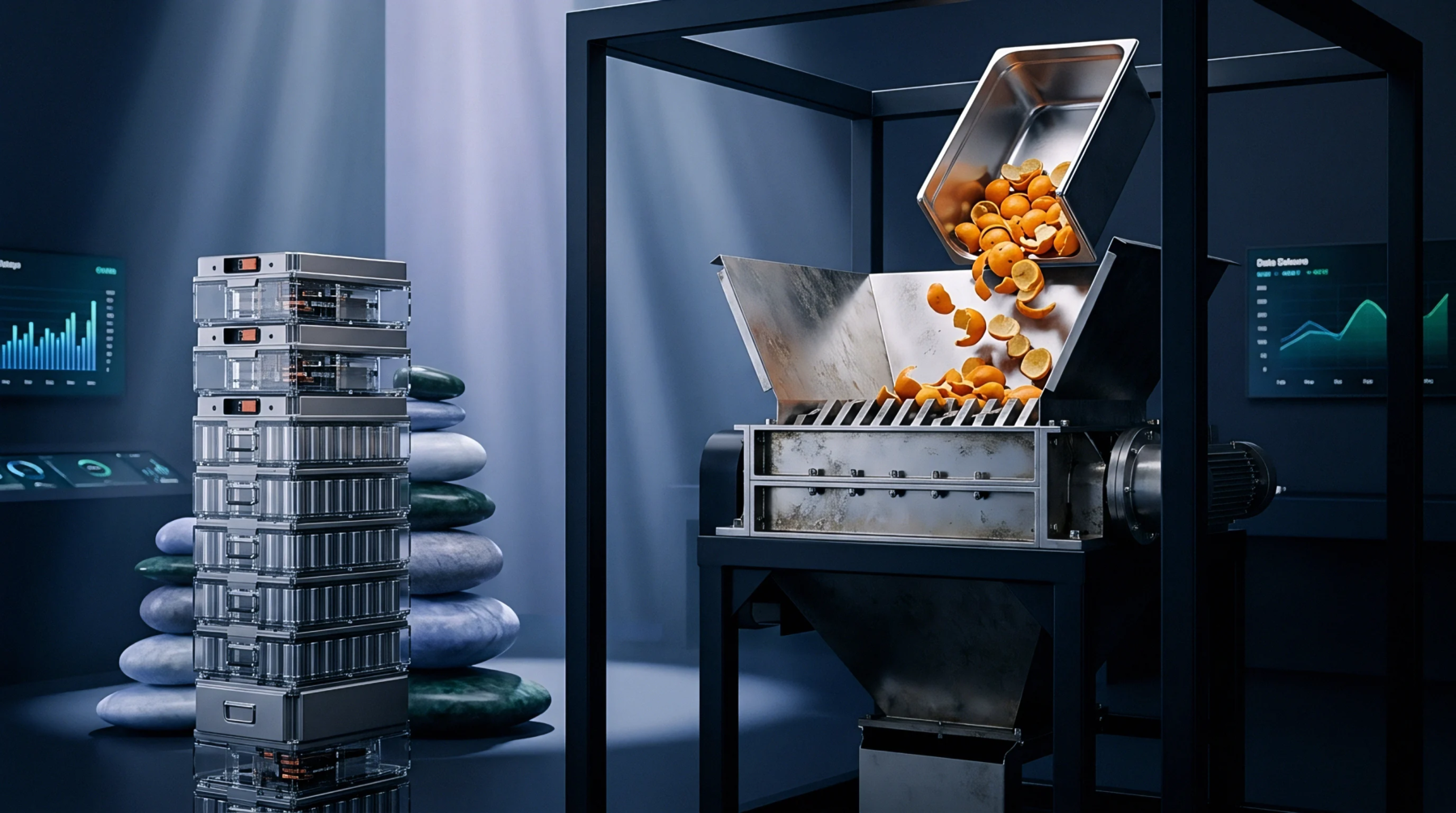
Carbide Banding Metrics and Tool Steel Die Durability
Carbide banding reduces transverse fatigue life in die steels, demanding powder metallurgy grades or ISO 5949 Class 1 ratings to stop edge chipping.
Carbide banding reduces transverse fatigue life in die steels, demanding powder metallurgy grades or ISO 5949 Class 1 ratings to stop edge chipping.

Laser weld crack propagation in sulfide media relies on combined DCPD tracking and beam-wobble alloy control to prevent stress corrosion failures.
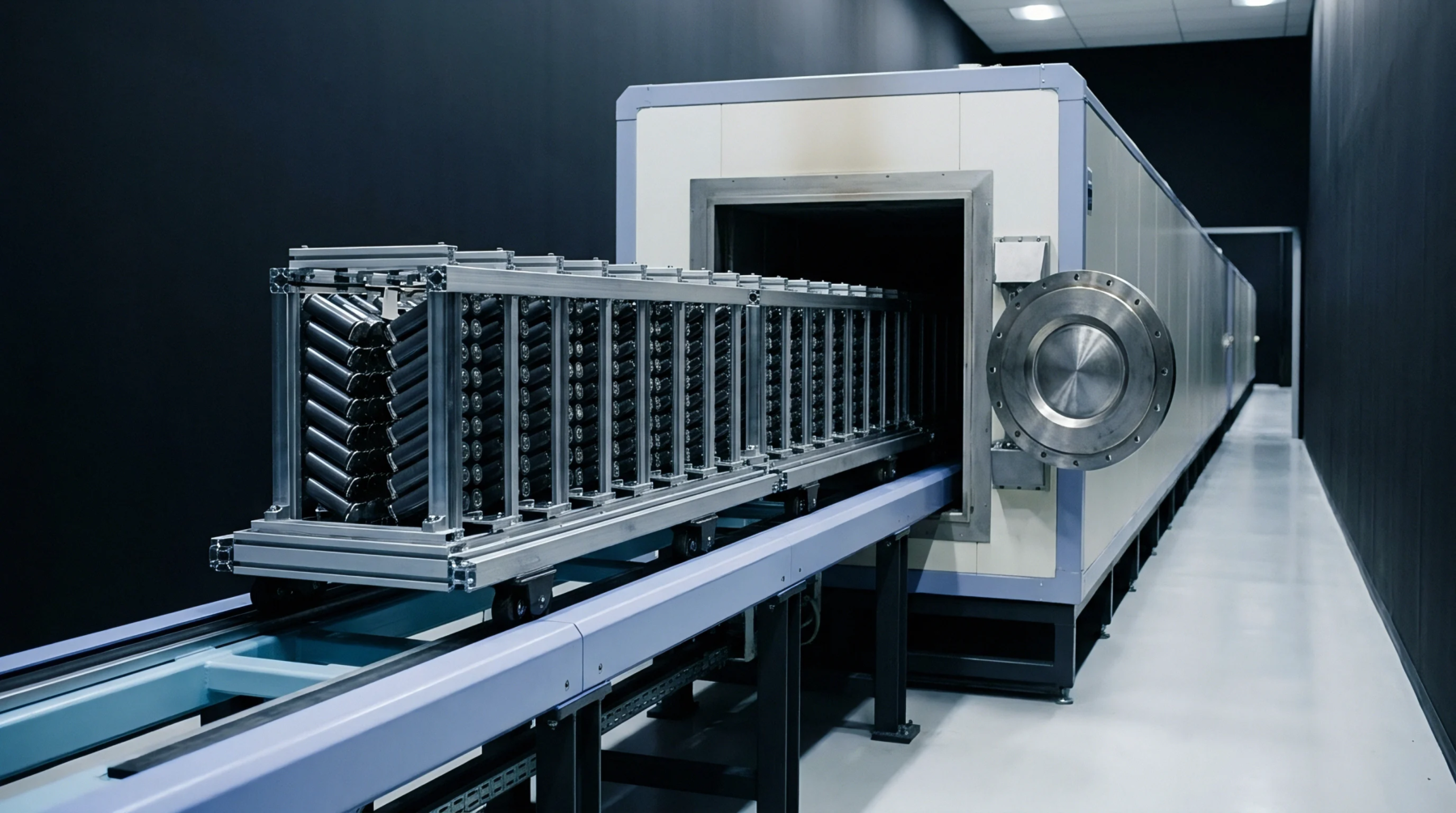
Stack consolidation demands matching platen creep rate to interface vacancy flux, bounding dwell pressure below ceramic shear limits to prevent edge fissures.

Low volume cylindrical pack builds require strict cell sorting, optimized micro-joining, off-the-shelf cell matrices, and early compliance planning to control NRE expenses.

Dynamic compression degradation in lithium metal pack tooling requires clear contractual pressure retention SLAs to prevent voiding cell warranties.
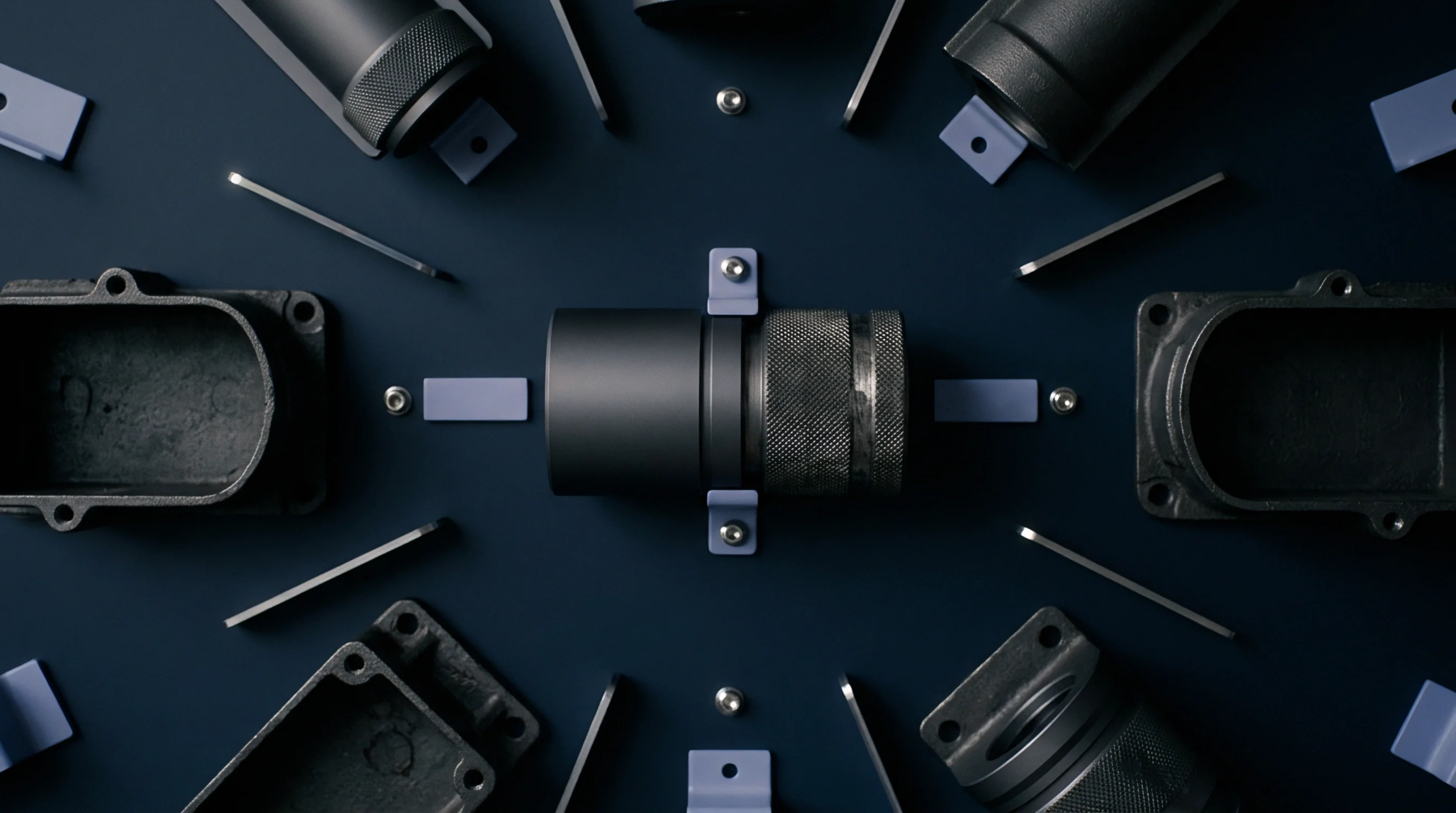
Segregation-mapped viscoplastic fatigue models predict gigacast battery tray die cracking at 34,000 shots, preventing catastrophic pack seal failures.

Amortizing custom battery pack tooling costs into unit prices introduces volume clawback risks that are mitigated by itemizing physical molds as client-owned capital assets.

HPDC tooling maintenance liability relies on categorizing wear mechanisms, logging shot telemetry, and establishing per-shot reserve funds in bailment contracts.

Amortizing battery pack enclosure tooling lowers upfront capital but creates binding shortfall liabilities and warranty risks if production volumes shift.

Mitigating thermal shock in die casting tooling demands high thermal conductivity steel, conformal cooling, and strict spray delta-T control.
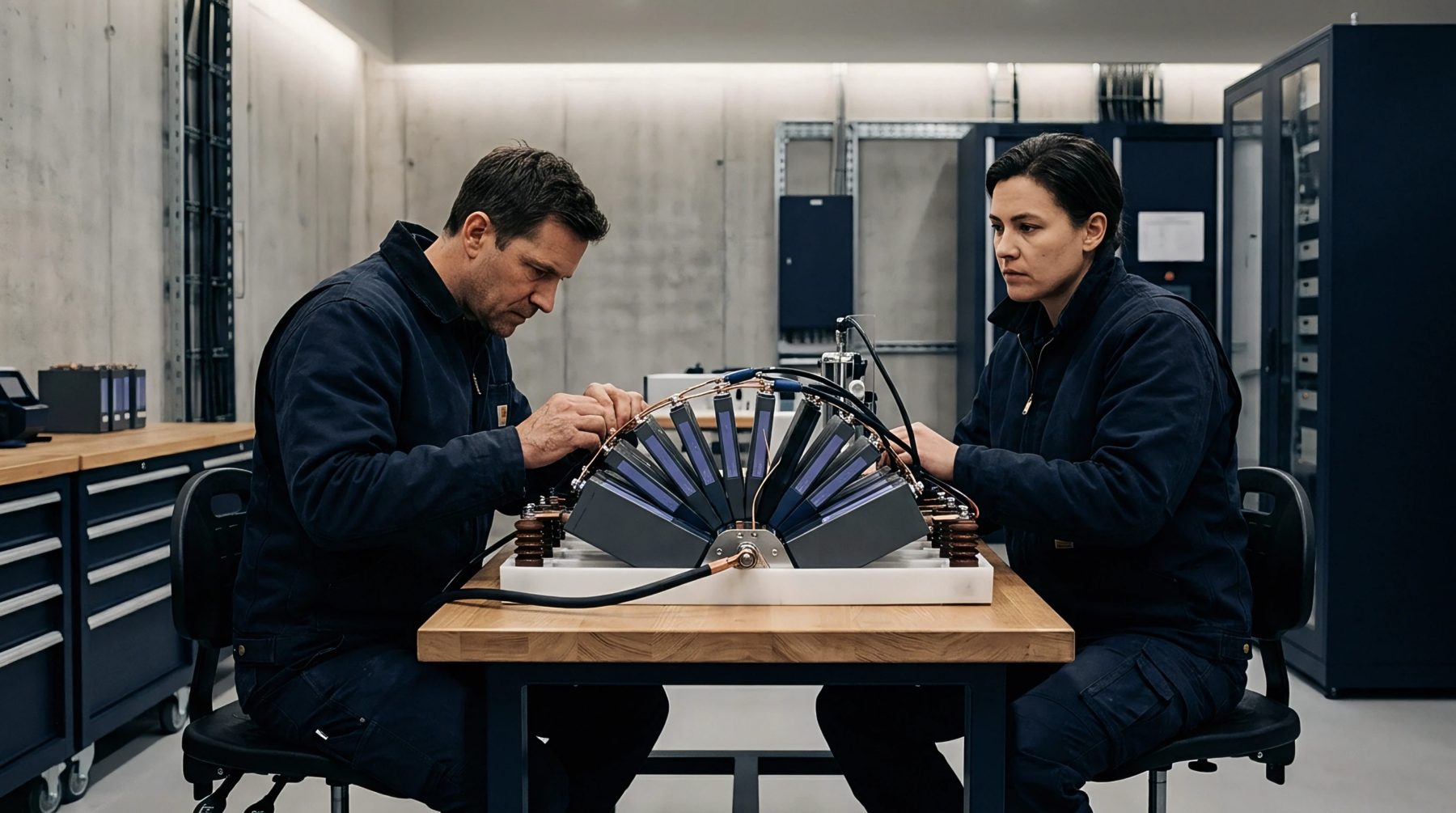
Procuring custom industrial battery modules requires locking cell format trade-offs, welding verification, and compliance files before amortizing tooling.

Dynamic drop tower qualification of consolidated battery tubs requires controlling impactor kinetic energy, strain-rate sensitivity, and elastic intrusion limits.
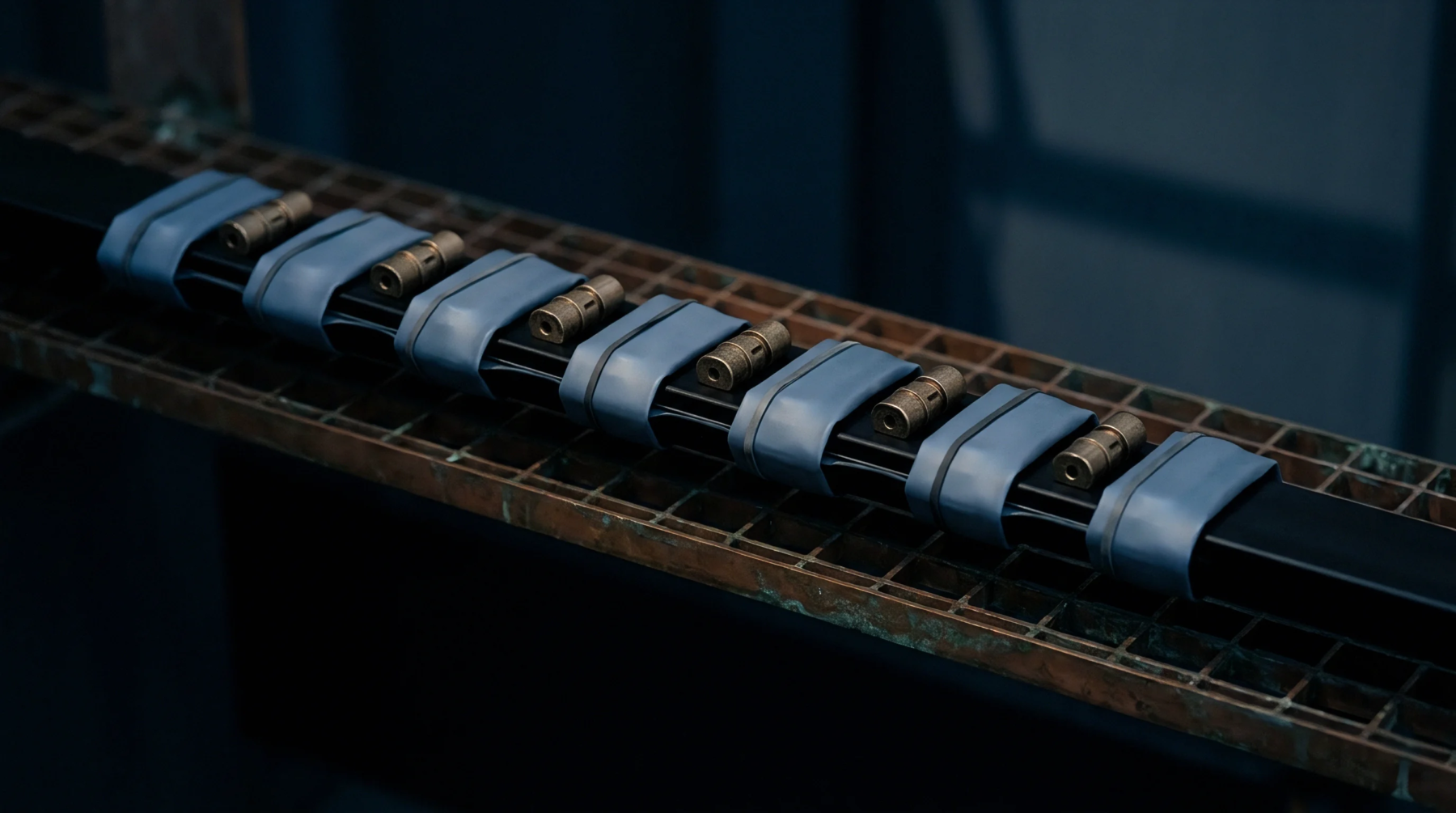
Allocating interconnect warranty risk relies on strict micro-ohm baseline tracking, 1000V creepage isolation, and serial batch traceability.

Audit tool steel specs upfront and enforce explicit bailment terms to prevent amortized tooling fees from inflating custom pack unit costs.

Buying cells requires owning BMS development, weld quality, thermal isolation, and pack safety files; buying packs trades unit margin for transferred liability.
Expertise is a utility, not a secret. sentiention™ publishes its working knowledge as open reference: intelligence layer covering the materials it sources, the markets it enters, and the reference that serves both.