Meaning
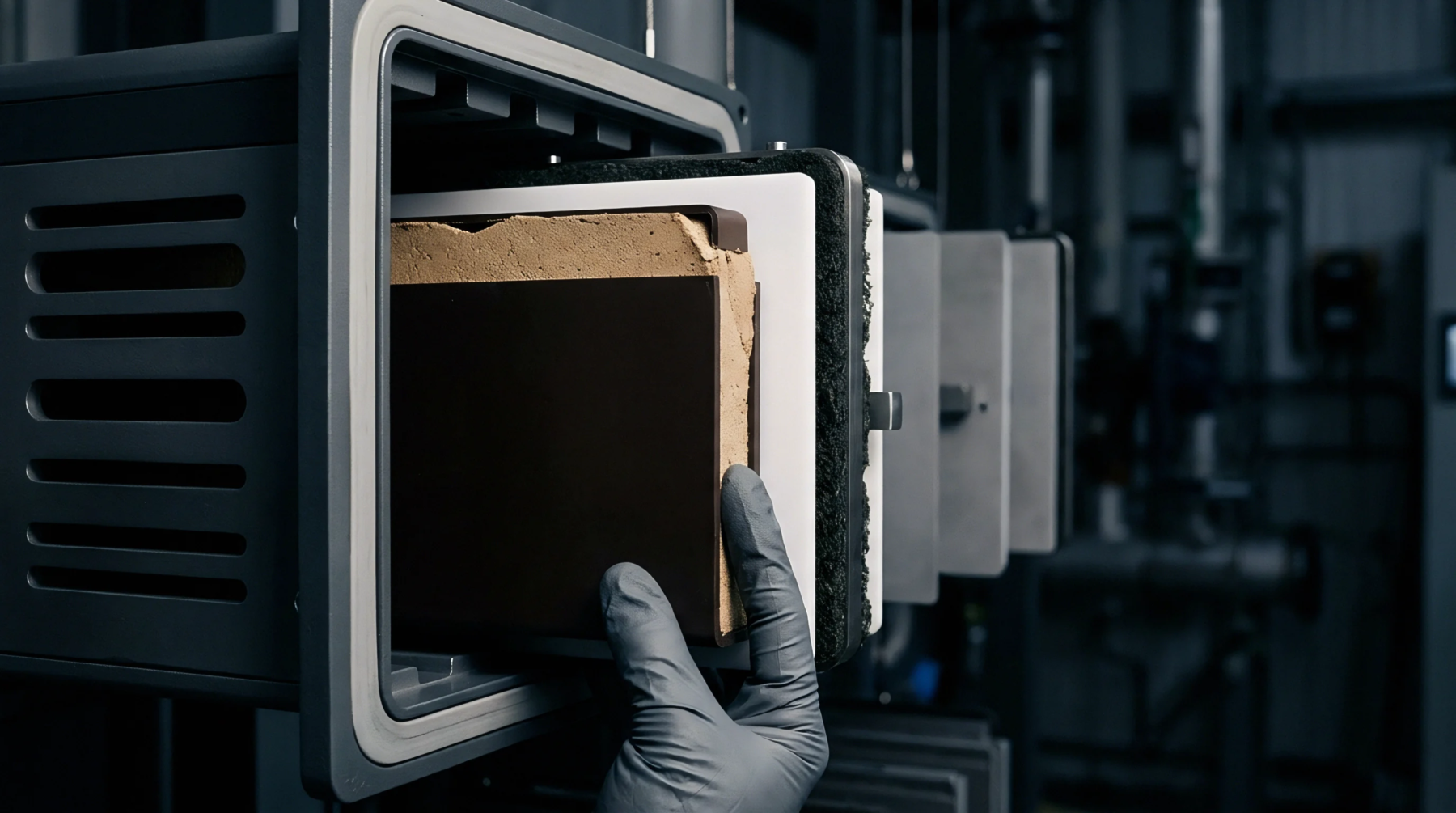
Ceramic barrier layers composed of crystalline Al2O3 provide electronic isolation between battery electrodes while maintaining high ionic permeability. An alpha-alumina separator acts as a thermal safeguard within lithium-ion cells by resisting shrinkage at temperatures where polymer films melt. Its chemical inertness prevents unwanted side reactions between the electrolyte and the cathode surface.
Thermal Stability
Crystalline structures within the material retain their mechanical integrity during excessive heat events that surpass the melting point of standard polyolefin membranes. This feature allows cells to maintain structural separation of the anode and cathode even when the electrolyte boils or breaks down. Manufacturers select this material for high-power applications where internal heat generation risks short circuits.
The rigidity of the ceramic matrix stops metallic lithium dendrites from piercing the barrier during repeated charge cycles.
Manufacturing Process
Producers deposit thin layers of the substance onto polymer backings or cast them as standalone non-woven sheets. Liquid binders typically hold the ceramic particles together during the formation of the porous web. Engineers adjust the particle size distribution to control pore diameter and overall gas permeability.
This optimization ensures that lithium ions move freely while physical barriers remain in place to prevent contact between opposing electrodes.
Electrochemical Impact
Increased thickness compared to conventional thin films adds internal resistance and changes the total energy density of the finished cell. Developers balance the benefit of improved thermal runaway resistance against the slight reduction in ionic conductivity. Cells utilizing this material exhibit slower capacity fade in harsh temperature environments because the ceramic withstands repetitive thermal expansion better than soft membranes.
This high degree of electrochemical compatibility ensures the separator remains neutral during long-term cycling.