Meaning
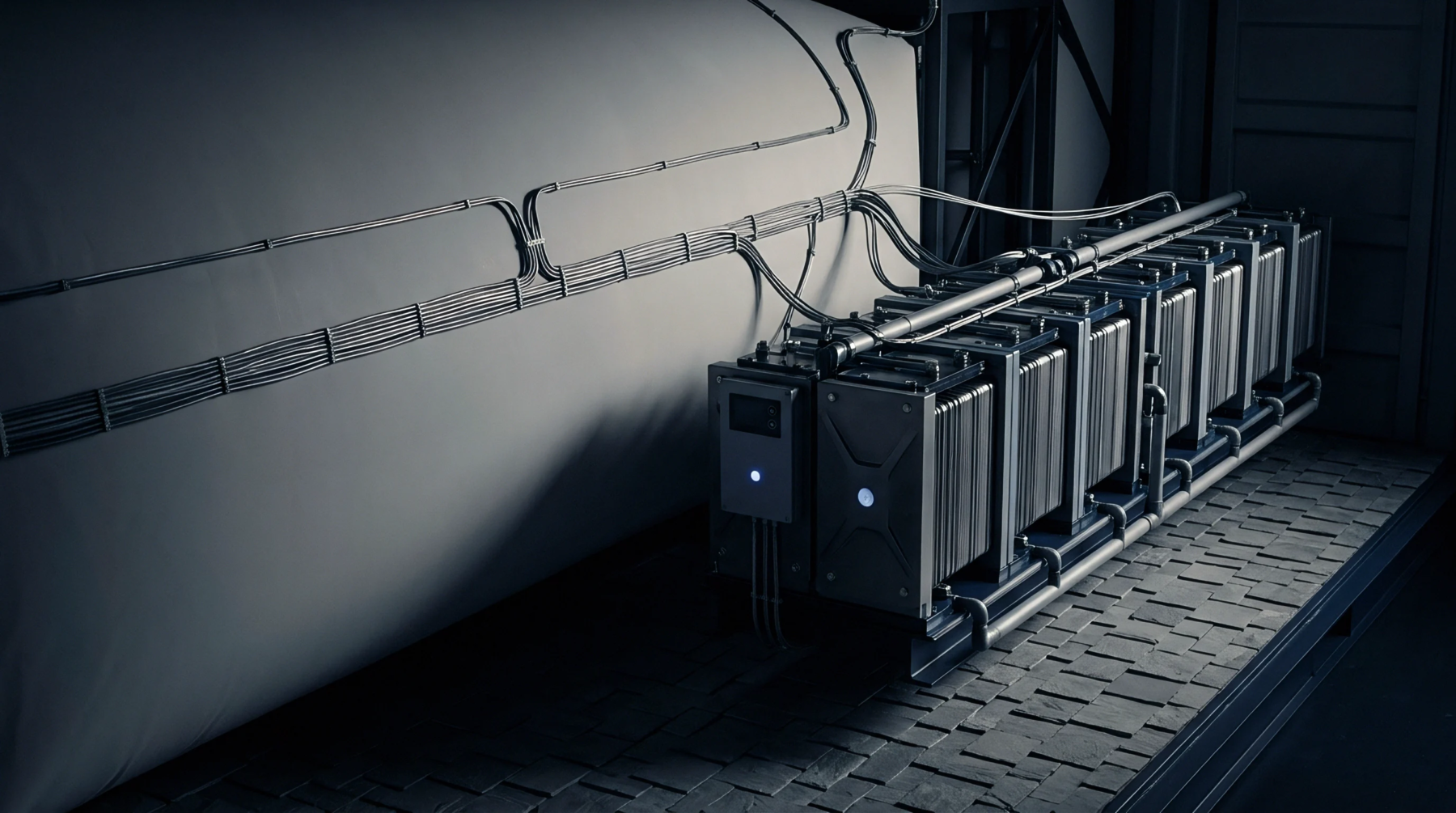
Electrolyte formulation techniques constitute the fundamental method for extending electrochemical performance in extreme sub-zero environments. Arctic energy storage relies on these low-viscosity solutions and lithium-ion additives to prevent ion transport stagnation when ambient temperatures fall below negative forty degrees Celsius. Conventional battery chemistry often fails under such conditions due to the solidification of standard solvents, whereas this technology maintains the ionic conductivity required for discharge.
Maintaining mobility within the electrolyte layer prevents the formation of lithium plating on the anode surfaces during high-rate charging sequences.
Thermal Load
Design parameters for these systems account for self-heating internal resistance during peak operation cycles. Engineers calibrate the internal heat generation to overcome external cold sinks without necessitating external warming equipment that would otherwise drain the available capacity. Efficiency gains occur when the battery balance manages the discharge rate to sustain an internal thermal state that supports chemical kinetics.
Material Specification
Polar-grade separators and modified anode architectures allow these units to resist the mechanical stress induced by deep cold cycling. Traditional materials often grow brittle or lose porosity when subjected to the contraction forces of a permanent freeze, but these specialized components retain their structural integrity over long durations. Manufacturers prioritize materials with low coefficients of thermal expansion to avoid internal gaps that would disrupt the path of electron flow.
Operational Boundary
Performance limitations emerge when the surrounding temperature drops significantly below the design threshold for the specific chemical blend. Battery management software monitors the voltage output to calculate the exact point where internal resistance renders the cell unusable for sustained power output. Sudden exposure to extreme cold results in a temporary decrease in power density until the cell reaches a stable temperature equilibrium during its cycle.