Meaning
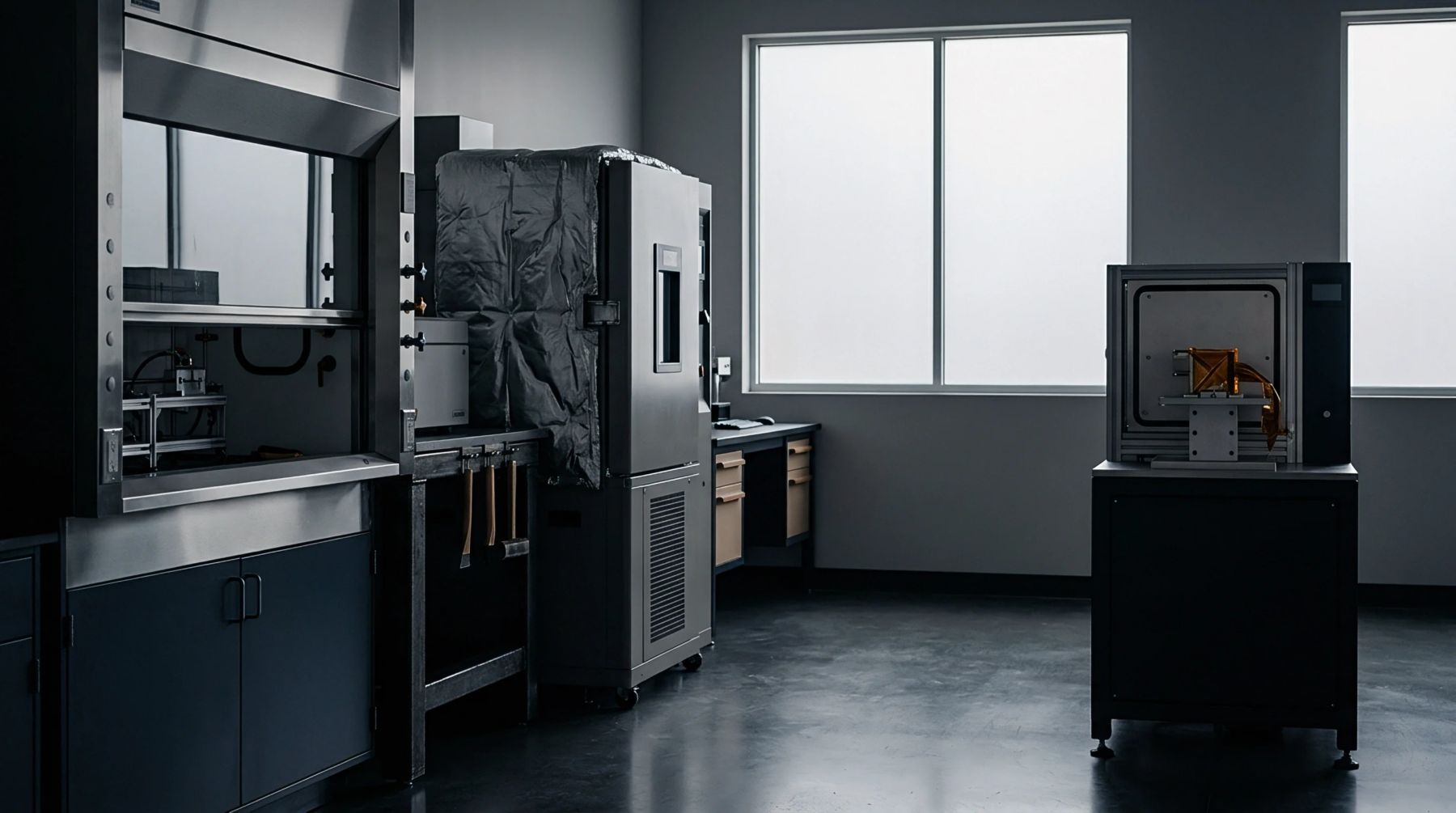
Environmental stress testing protocol simulates the atmospheric fluctuations encountered during high altitude shipping. Products subjected to barometric cycling undergo repeated transitions between sea level pressures and the reduced air density found at 15000 meters. This verification ensures that pouch seals and hard cases maintain their physical integrity without leaking electrolyte.
Manufacturers use the data to validate that the internal pressure of the cell does not cause the casing to rupture or the safety vents to activate prematurely.
Pressure Variation
Altitudes during air freight introduce external pressures as low as 11.6 kilopascals. When barometric cycling occurs, the pressure difference between the interior of a sealed cell and the surrounding atmosphere increases by a large margin. This force pushes against every internal surface and weld.
Mechanical failures often appear during the rapid ascent phase where the external drop is most pronounced.
Seal Integrity
Elasticity of the sealing gasket determines how well a cell survives these conditions. Testing involves placing the battery in a vacuum chamber and cycling the atmosphere over several hours. Every barometric cycling sequence identifies potential weak points in the crimp or heat seal.
If the material becomes brittle at low temperatures, the seal might crack during the low pressure phase.
Logistics Impact
Shipping regulations require documented proof that batteries can withstand these cycles without weight loss or venting. The UN 38.3 test standard mandates barometric cycling as one of its primary safety requirements. Failure to pass this test prevents the legal transport of lithium batteries via air cargo.
Success in these tests provides the buyer with confidence that the product will reach its destination safely. Transport authorities rely on these certifications to maintain safety across global supply chains. When a batch fails the barometric cycle, the entire lot must be quarantined and inspected for seal defects.
This rigorous protocol prevents catastrophic failures in the low pressure environment of an airplane cargo hold.