Meaning
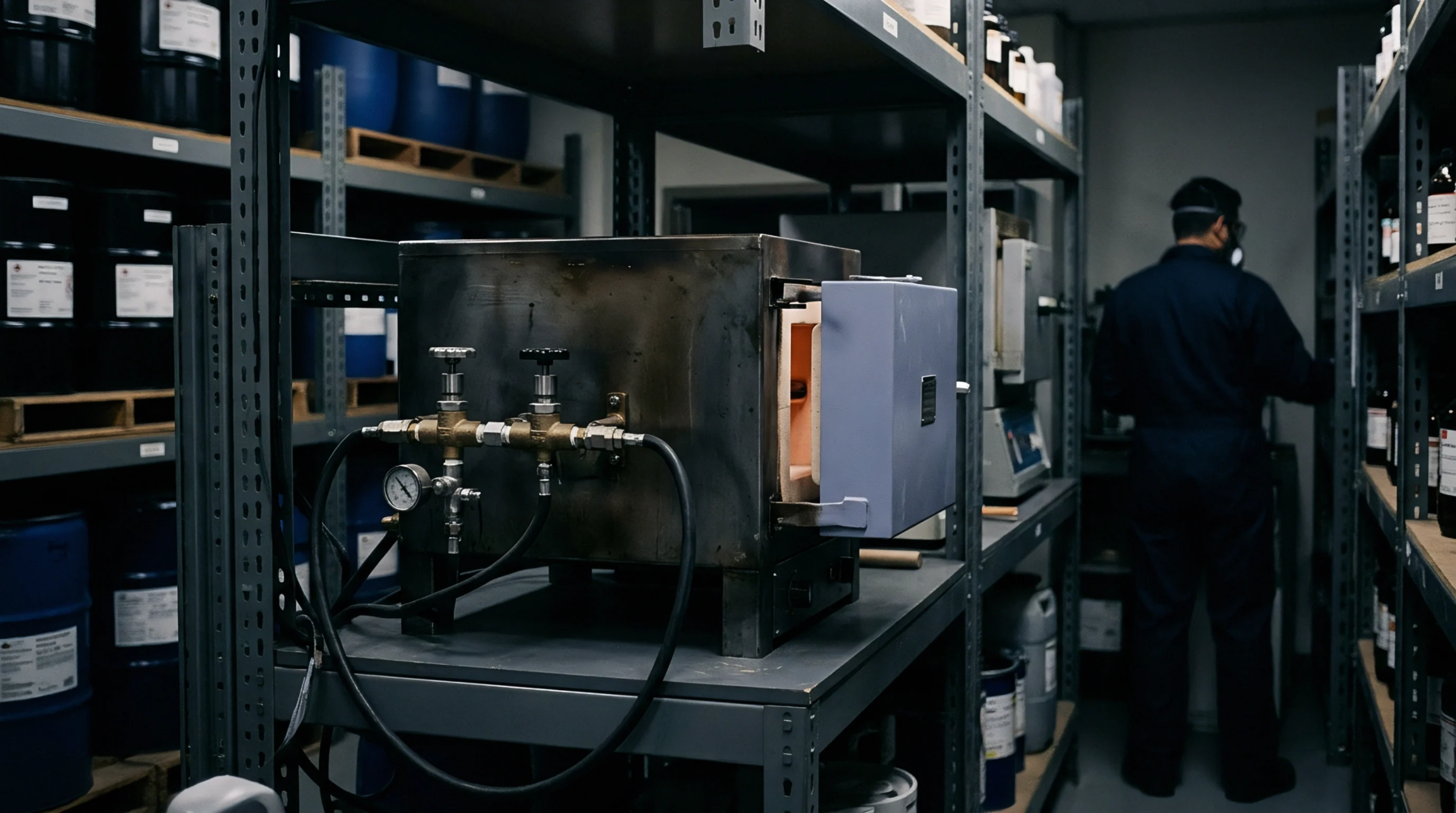
Thermal decomposition constitutes the fundamental chemical conversion of organic materials under anaerobic conditions to produce solid biochar, liquid bio-oil, and non-condensable gases. Biomass pyrolysis requires the application of external heat within an oxygen-free environment to break down complex lignocellulosic structures into simpler chemical constituents. This reaction sequence stops where oxidative combustion begins, specifically at the thermal limit where the absence of free oxygen prevents total carbon conversion into carbon dioxide and water.
Thermal Mechanics
Molecular degradation occurs as the feedstock reaches temperatures typically ranging between four hundred and seven hundred degrees Celsius. High heating rates inside biomass pyrolysis favour the production of vaporous products that condense into bio-oil upon cooling. Lower temperature regimes and slower heating promote the formation of stable solid carbonaceous char.
Variations in residence time dictate the degree of secondary cracking that gases undergo before exiting the reactor vessel.
System Efficiency
Energy recovery depends on the precise capture of the byproduct gases and heat integration across the industrial unit. Biomass pyrolysis facilitates the concentration of energetic density by converting raw agricultural or woody refuse into transportable fuels or chemical precursors. Plant operators monitor the moisture content of the input material to ensure that enthalpy remains focused on bond dissociation rather than latent heat of evaporation.
Optimization of the reactor geometry maintains the required temperature profile to avoid excessive tar formation or unwanted thermal gradients.
Product Utilization
Industrial value derives from the versatility of the three output streams produced during the conversion of raw plant matter. Bio-oil provides a renewable feedstock for refinery co-processing or stationary power generation after undergoing appropriate hydro-treatment to reduce acidity and oxygen content. Solid biochar functions as a sequestered carbon product for soil improvement or as a precursor for activated carbon production.
Non-condensable syngas typically recirculates to the combustion chamber to provide the necessary process heat for continuous operation. Proper management of these outputs ensures that biomass pyrolysis yields a net positive return in energy conversion applications.