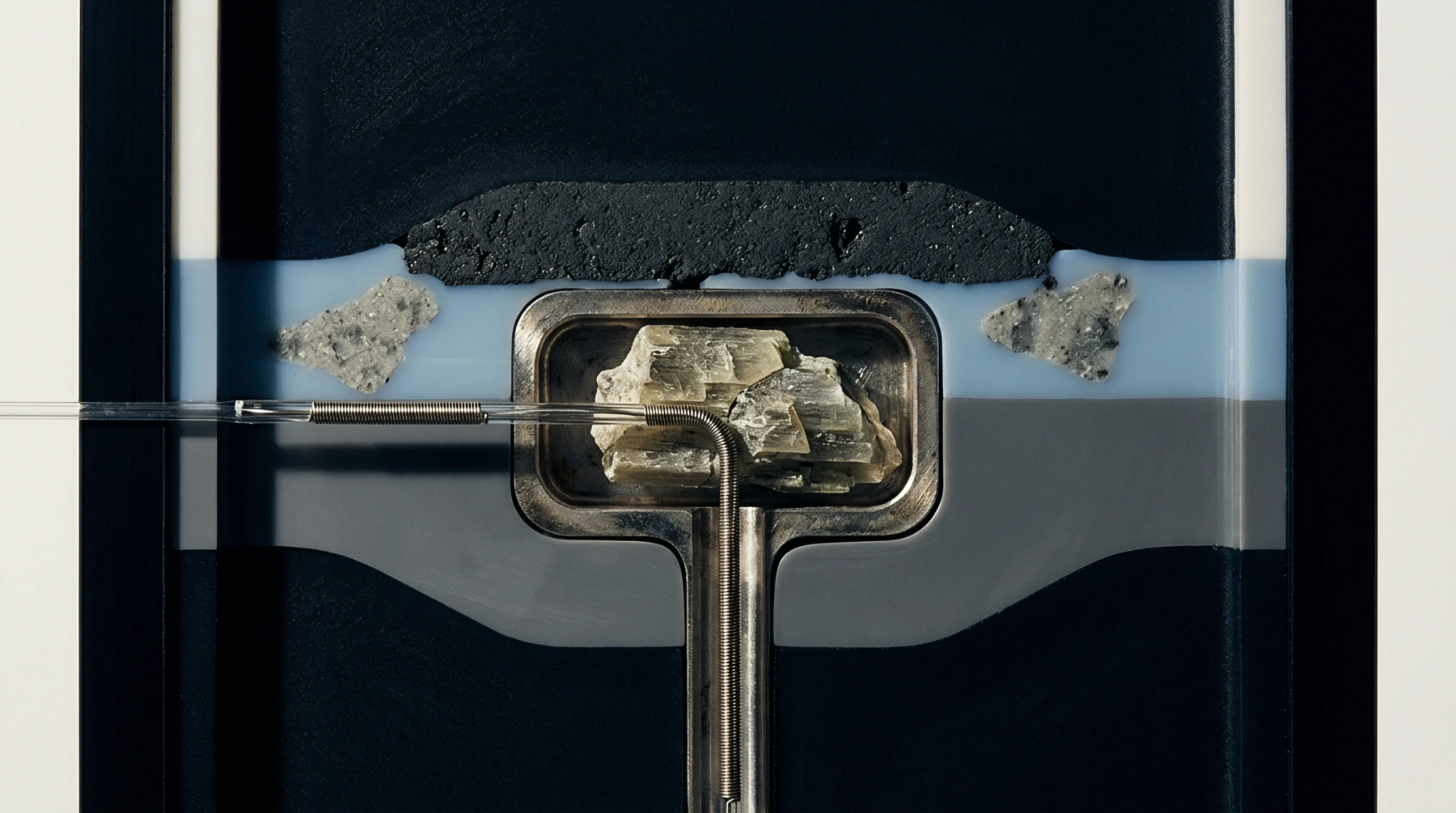
The Main Lithium Battery Chemistries and What Each Is For
Cell chemistry selection dictates system safety, cycle longevity, thermal cooling architecture, dangerous goods logistics, and levelized storage cost per delivered cycle.
This industrial intermediate represents the concentrated powder obtained from the mechanical shredding and sorting of end of life lithium ion batteries. It contains the metallic components of the cathode and anode, primarily nickel and cobalt along with lithium and manganese, stripped of the outer casing. The production of black mass recycling serves as the first major step in a circular economy, transforming bulky waste into a tradable commodity.
It effectively stops applying once the material undergoes chemical separation to return to pure metal salts. This substance is the primary feedstock for specialized secondary refineries that recover battery grade minerals to bypass the environmental costs of primary mining.
The process begins with the safe discharge of residual electrical energy to prevent thermal events during subsequent handling. Once neutralized, the packs are disassembled and fed into high torque shredders that operate under an inert atmosphere to mitigate fire risks from the electrolyte. This mechanical stage generates a mixture of plastics, copper foils and aluminum scraps which are removed through density separation or magnetic methods.
What remains is a fine dark powder known as black mass recycling that carries the concentrated electrochemical value of the original cells. Efficiency here depends on the precision of the sorting equipment and the ability to minimize the loss of fine particles into the waste stream. High quality output contains minimal impurities like iron or copper that would otherwise complicate the later chemical purification stages.
Refiners process this dark powder using either pyrometallurgy or hydrometallurgy to isolate individual elements for reuse in new battery production. The hydrometallurgical route involves leaching the powder in acid to create a pregnant leach solution containing dissolved metal ions. This liquid then undergoes a series of solvent extraction and precipitation steps to separate cobalt, nickel and lithium with high specificity.
Because black mass recycling varies in composition based on the original battery chemistry, the refinery must adjust its chemical reagents to maintain high recovery rates. This stage is where the greatest economic value is realized, as the resulting sulfates or carbonates reach the purity levels required for cathode synthesis. Success of this operation relies on managing the wastewater and chemical byproducts generated during the intensive leaching cycle.
Pricing for this material is typically calculated as a percentage of the contained metal value based on prevailing market spot prices. Buyers and sellers agree on a payability factor that accounts for the cost of final refining and the expected recovery yield. For a purchasing manager, black mass recycling offers a way to secure mineral supply that is often more stable than volatile primary ore markets.
The value fluctuates based on the concentration of nickel and cobalt, making accurate assaying of every batch a requirement for commercial settlement. If the concentration of impurities exceeds certain thresholds, the material may face price penalties or rejection by the refinery. This financial structure incentivizes the production of high purity intermediates to maximize the return on the initial recycling investment.
Cell chemistry selection dictates system safety, cycle longevity, thermal cooling architecture, dangerous goods logistics, and levelized storage cost per delivered cycle.
Expertise is a utility, not a secret. sentiention™ publishes its working knowledge as open reference: intelligence layer covering the materials it sources, the markets it enters, and the reference that serves both.