Meaning
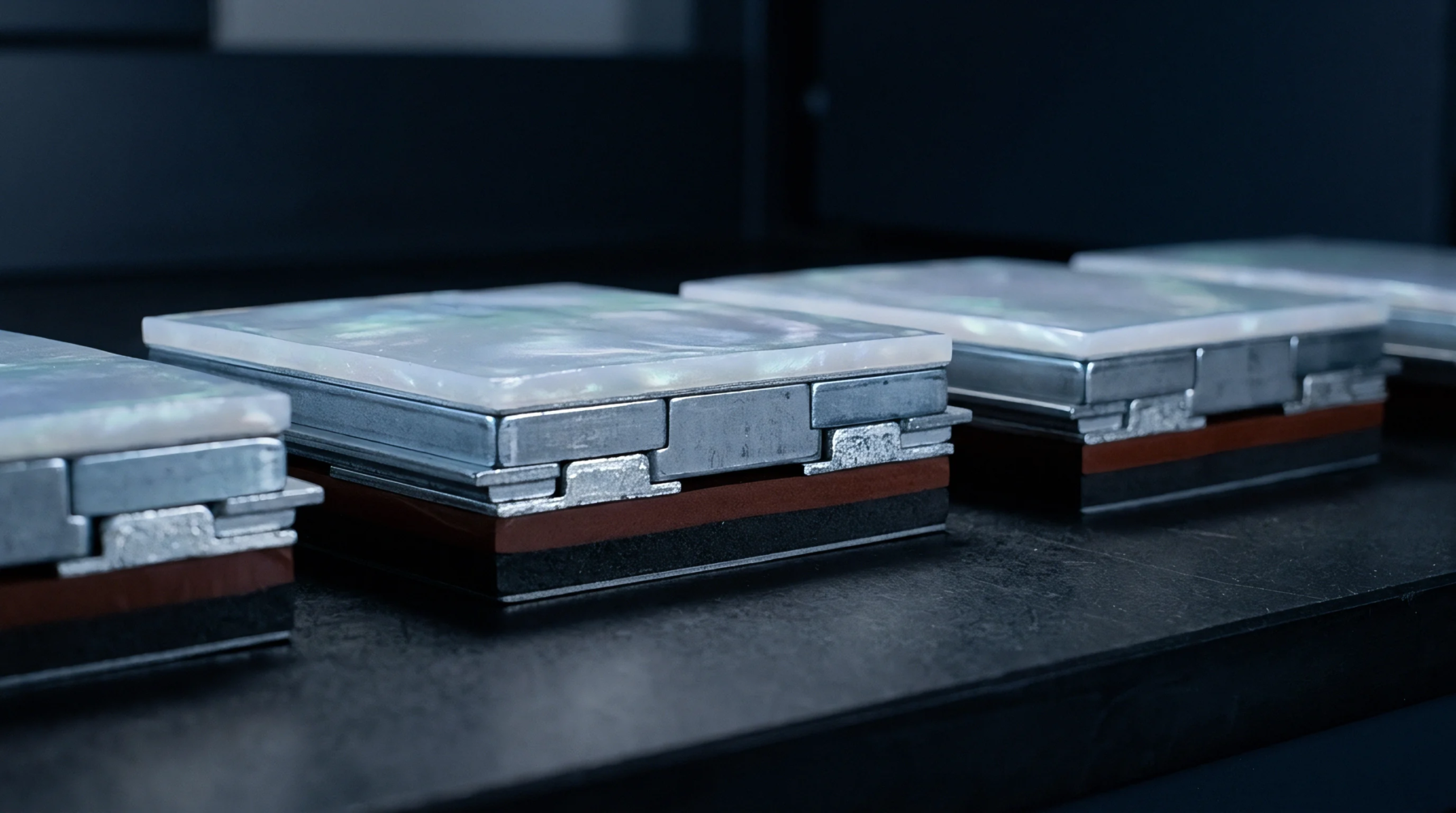
Mechanical breakdown within internal elastomeric components causes compression pad degradation inside high capacity energy storage packs, reducing spring force retention over thermal cycles. This progressive loss of elastic memory forces cell arrays out of specification during multi ton expansion phases. Engineering teams evaluate compression pad degradation against initial preload retention percentages to determine module end of life thresholds.
Cell Expansion
Lithium ion intercalation swells active jellyrolls repeatedly during charging states, pushing outward against module boundaries. Compression pad degradation accelerates when high clamping forces squeeze elastomeric layers beyond their yield limits. Permanent micro structural collapse prevents the material from pushing back against contracting cells.
Internal pressures shift unevenly across adjacent electrodes as the cushioning medium thins out.
Thermal Load
Extreme operating temperatures speed up polymer chain scission inside polyurethane and silicone isolation sheets. Compression pad degradation reduces the thermal contact efficiency between pouch cells and base cooling plates. Elevated cell temperatures then trigger faster electrolyte decomposition and increased gas generation rates.
Higher internal pressures demand more counter force from the remaining sound pad sections, creating a rapid failure loop.
Procurement Standard
Purchasing contracts specify minimum rebound resilience figures measured under continuous cyclic loading schedules. Compression pad degradation limits drive the rejection of substandard insulating materials before final module assembly begins. Suppliers must prove long term elasticity retention through accelerated aging tests simulating ten year deployment profiles.
Procurement engineers rely on compression set values to establish warranty boundaries for commercial battery energy storage systems.