Meaning
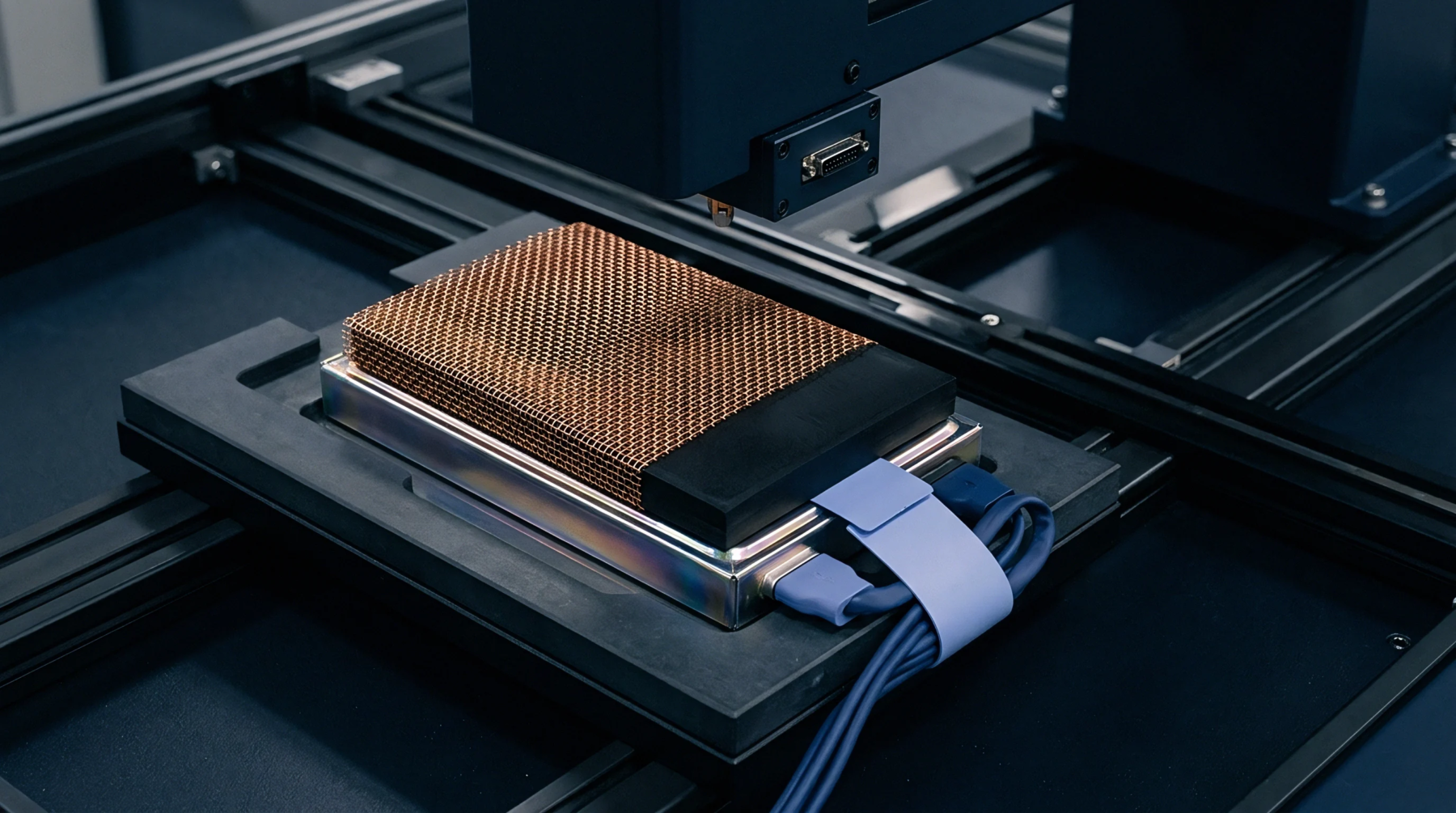
Mechanical consistency describes the exactness with which a spring pin or a pogo pin returns to a predetermined physical displacement during automated cell testing. Contact force repeatability measures the stability of the electrical interface resistance through repeated compression cycles on cylindrical or prismatic cell terminals. Production engineers rely on this metric to verify that test fixture actuators exert identical pressure during incoming quality checks.
The definition applies exclusively to mechanical test fixtures and automated production lines where physical contact must remain stable across millions of cycles.
Actuation Force
Spring probe degradation directly alters measured voltage drops because worn internal barrels lose tension. Pneumatic slides maintain uniform downward pressure by regulating incoming air supply against mechanical resistance. Load cells mounted beneath the test nest record actual displacement values to detect spring fatigue before electrical anomalies appear.
Contact Resistance
Electrical continuity depends on microscopic surface area overlap between the probe tip and the battery terminal. Microscopic oxidation layers break down predictably only when adequate mechanical pressure overcomes surface asperities. High contact force repeatability prevents voltage spikes caused by loose connections during high current pulse testing.
Test Validation
Calibration protocols verify mechanical limits by cycling test probes against a rigid steel reference block. Deviations exceeding five percent force variance trigger immediate replacement of the worn actuator assembly. Procurement teams use this threshold to negotiate warranty terms for high speed sorting equipment.