Meaning
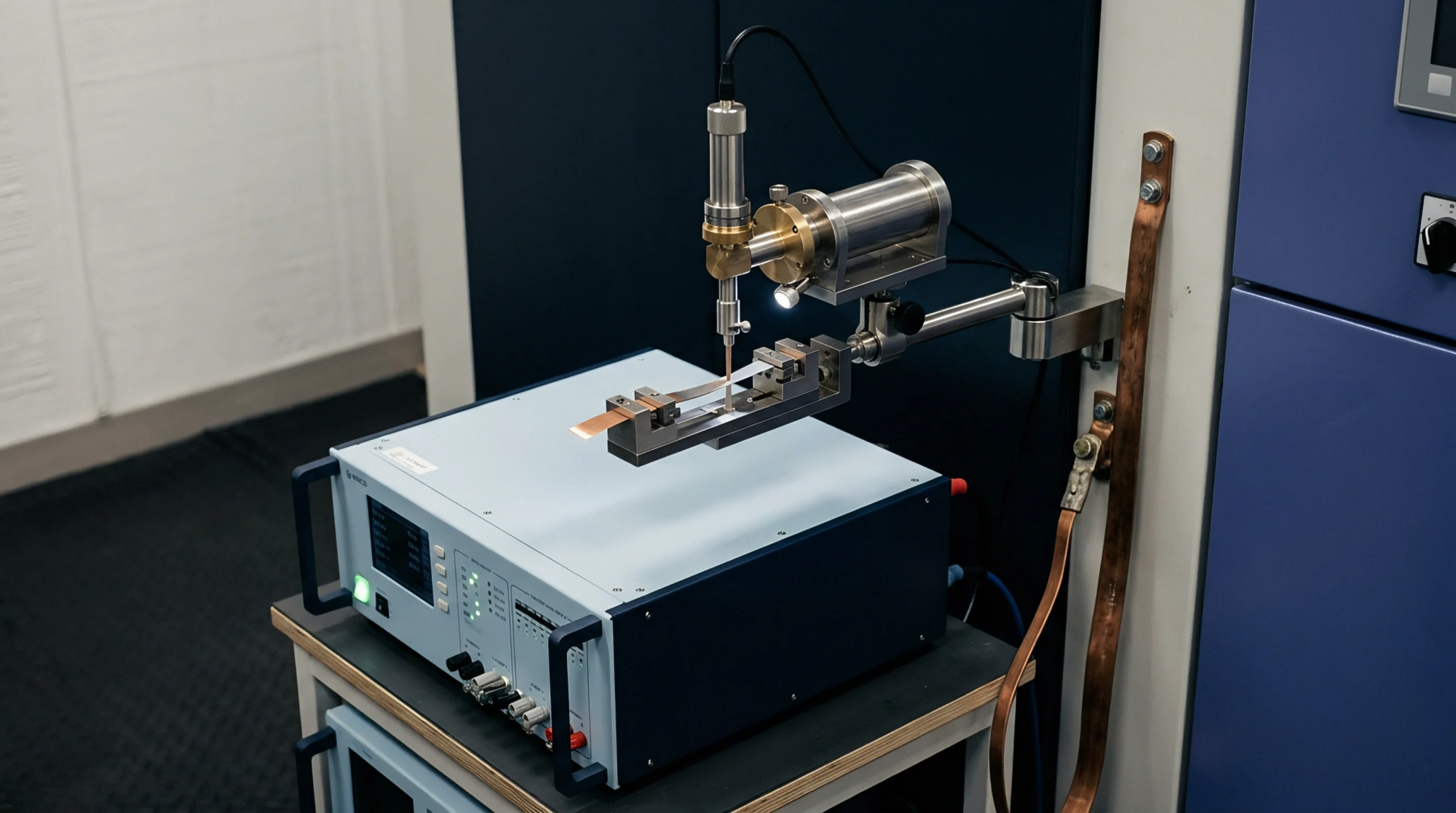
Force applied per unit area between two mating electrical or thermal surfaces determines the efficiency of energy transfer across the boundary. Proper contact pressure reduces both electrical contact resistance and thermal interface resistance in high-power battery assemblies. It prevents localized hot spots that could lead to runaway conditions in cell terminals or busbars.
Interface Resistance
Microscopic surface asperities flatten out under high pressure to increase the true contact area between metals. When the force is too low, current must flow through a few narrow points, causing localized heating. High pressure ensures that the electrical path is broad and stable.
Mechanical Deformation
Excessive compression of battery terminals can cause yield failure in soft metals such as aluminum or copper. Soft materials flow under sustained force, a phenomenon known as creep, which eventually reduces the clamping pressure over time. Hardened steel washers or spring-loaded clamps are used to distribute the load and maintain tension.
Measurement Verification
Pressure-sensitive films and miniature load cells provide quantitative feedback during fixture assembly and validation. These sensors record the distribution of force across the joint to confirm that the interface is uniform. Adjusting the bolt torque to a specific value is the standard way to maintain this force in production environments, though spring-loaded pins provide more consistent results in automated testing.