Meaning
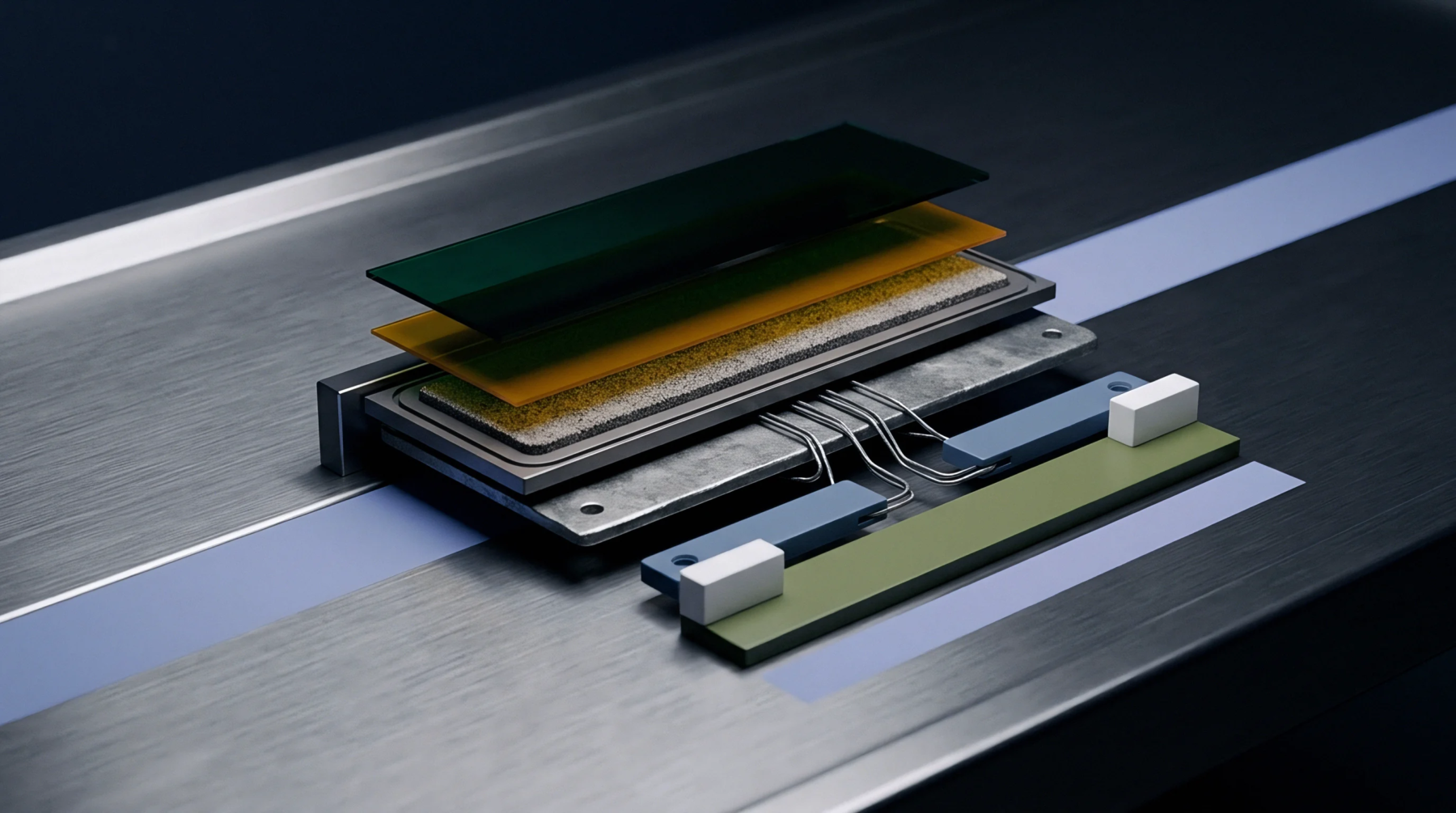
Frequency deviations occur in quartz-based timing circuits over time due to aging, temperature changes, and environmental stress. This crystal oscillator drift introduces errors in the synchronization of battery management system data across distributed module controllers. The drift is cumulative and does not self-correct without an external reference signal.
Timing Uncertainty
Microcontrollers in battery packs rely on precise clocks to measure the duration of current pulses during state-of-charge calculations. When crystal oscillator drift occurs, the integration of current over time becomes inaccurate, leading to errors in the estimated battery capacity. This uncertainty can cause the system to miscalculate the remaining driving range, potentially leaving the vehicle stranded or forcing the system to trigger early safety shutdowns.
Thermal Sensitivity
Temperature fluctuations in the battery pack accelerate the frequency deviation of standard quartz crystals during fast-charging events. Minimizing crystal oscillator drift requires the use of temperature-compensated components in high-power applications. This stabilization ensures that timing errors remain within tolerable limits even during extreme temperature rises.
Sourcing Impact
Sourcing engineers must evaluate the long-term frequency stability of quartz components when selecting silicon platforms for battery management systems. Choosing components with a low rate of crystal oscillator drift reduces the frequency of necessary software resynchronizations. This selection lowers the overall software maintenance overhead.