Meaning
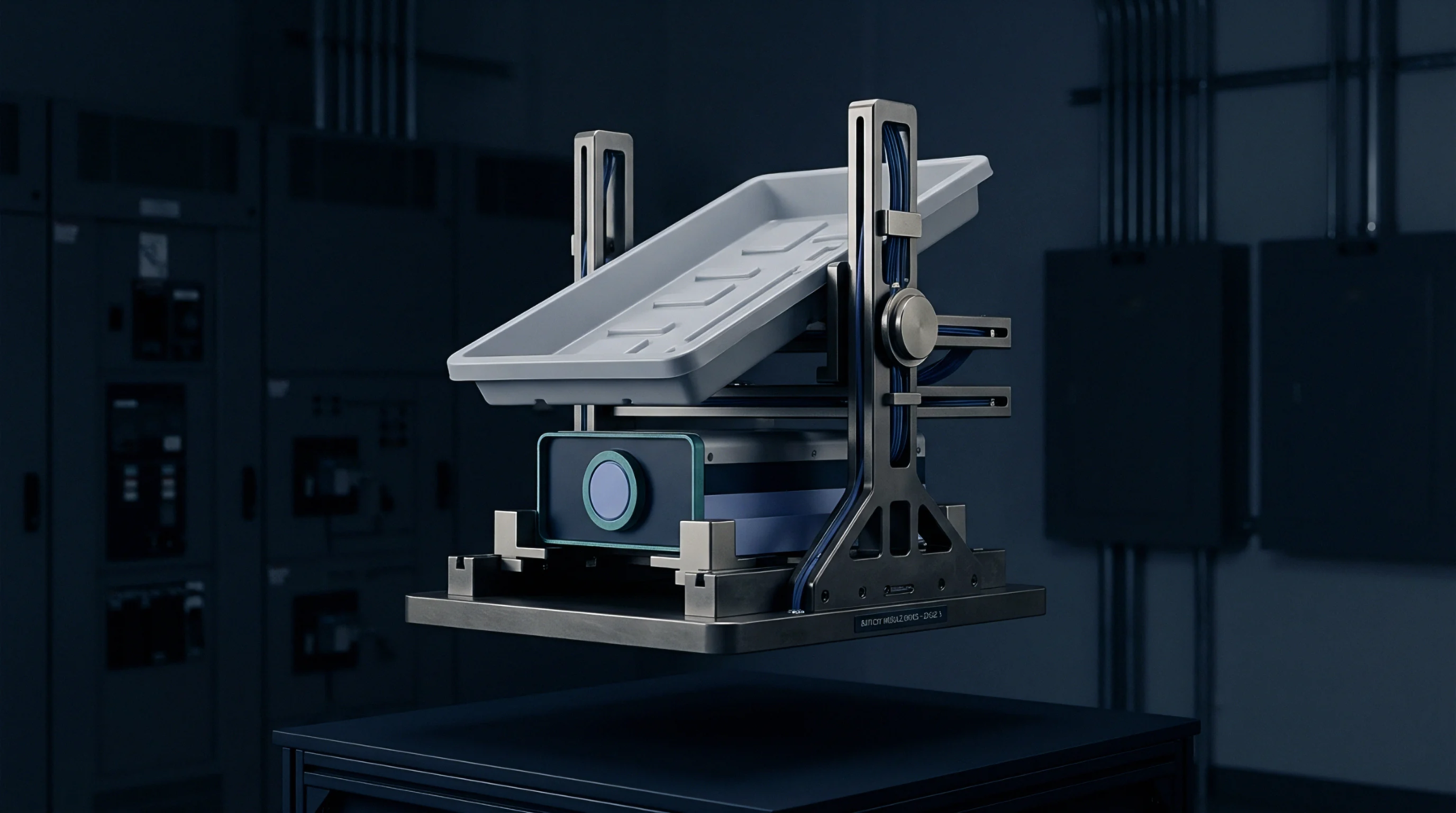
Signal processing technique filters radiation from two distinct electromagnetic bands to calculate precise temperatures under dynamic conditions. Applying dual waveband signal separation isolates surface emissivity variations from true temperature changes. The methodology is used with infrared sensors to monitor cells during extreme operating conditions.
This technique provides accurate thermal profiles without requiring surface-modifying coatings.
Filtering Mechanism
Infrared detectors capture radiation in both mid-wave and long-wave bands simultaneously. The processing unit compares the ratio of these two signals to calculate the absolute temperature. This ratio approach eliminates errors caused by changing surface roughness or angled viewpoints.
It ensures high measurement accuracy across diverse testing environments.
Thermal Monitoring
Monitoring cells during fast charging requires precise temperature measurements to avoid localized overheating. Standard single-band infrared cameras often struggle with the changing emissivity of pouch cell packaging. This dual-band approach resolves that issue by delivering stable measurements during rapid expansion.
It allows for tighter integration of thermal safety limits.
Development Value
R and D teams utilize this accurate thermal data to validate complex heat generation models. It helps them design more efficient cooling plates and choose appropriate thermal interface materials. Sourcing managers use the validated models to select cells with lower internal heat generation.
Better thermal data leads to safer and cheaper pack designs.