Meaning
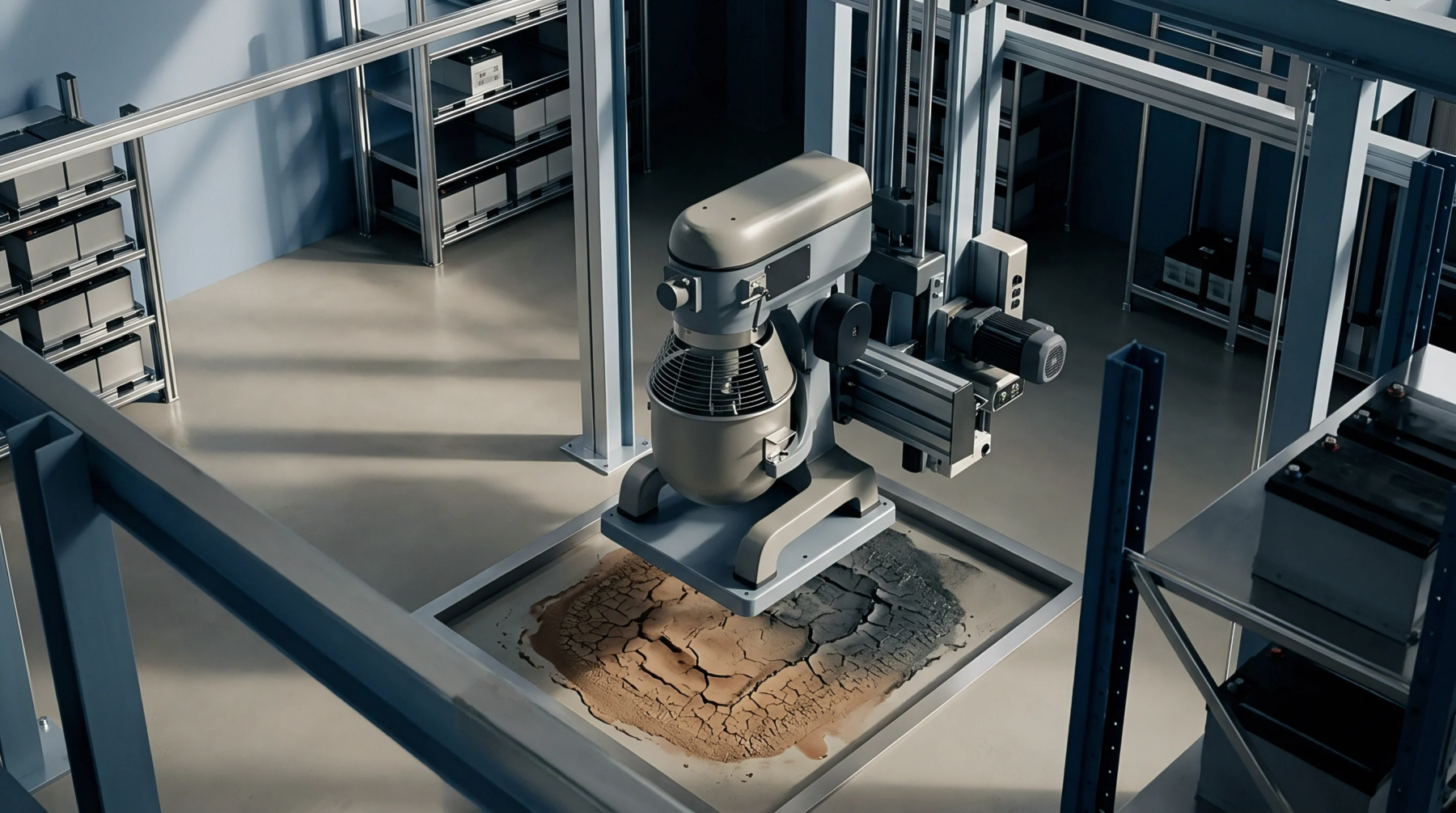
Thermal soak duration represents the interval during which a material maintains a consistent elevated heat level to ensure structural uniformity. Dwell temperature defines the precise degree of heat maintained throughout this interval to promote chemical reactions or physical bonding within a substrate. This stabilization period prevents localized cooling that creates mechanical weaknesses or internal fractures in cast components.
Thermal Duration
Heat application uniformity requires precise control over the environment surrounding the piece. Dwell temperature dictates the intensity of the infrared or convective energy transferred into the mass. Operators monitor these levels to ensure that the cross section reaches equilibrium without exceeding the melting point of external surface features.
Processing Impact
Molecular rearrangement hinges on the stability of the heat source throughout the residence window. Dwell temperature influences the cross-linking density of polymers or the crystalline structure of metallic alloys during heat treatment cycles. Higher values accelerate reaction kinetics but increase the risk of thermal degradation or unintended oxidation.
Stable holding levels minimize batch variations across production runs.
Operational Boundary
Environmental sensor placement determines the accuracy of the readings recorded for heating equipment. Proximity to the heating element leads to false signals that bias the dwell temperature reported by the control logic. Actual internal material states depend on the heat transfer rate rather than the ambient air measurement alone.
Accurate calibration ensures the integrity of the finished component.