Meaning
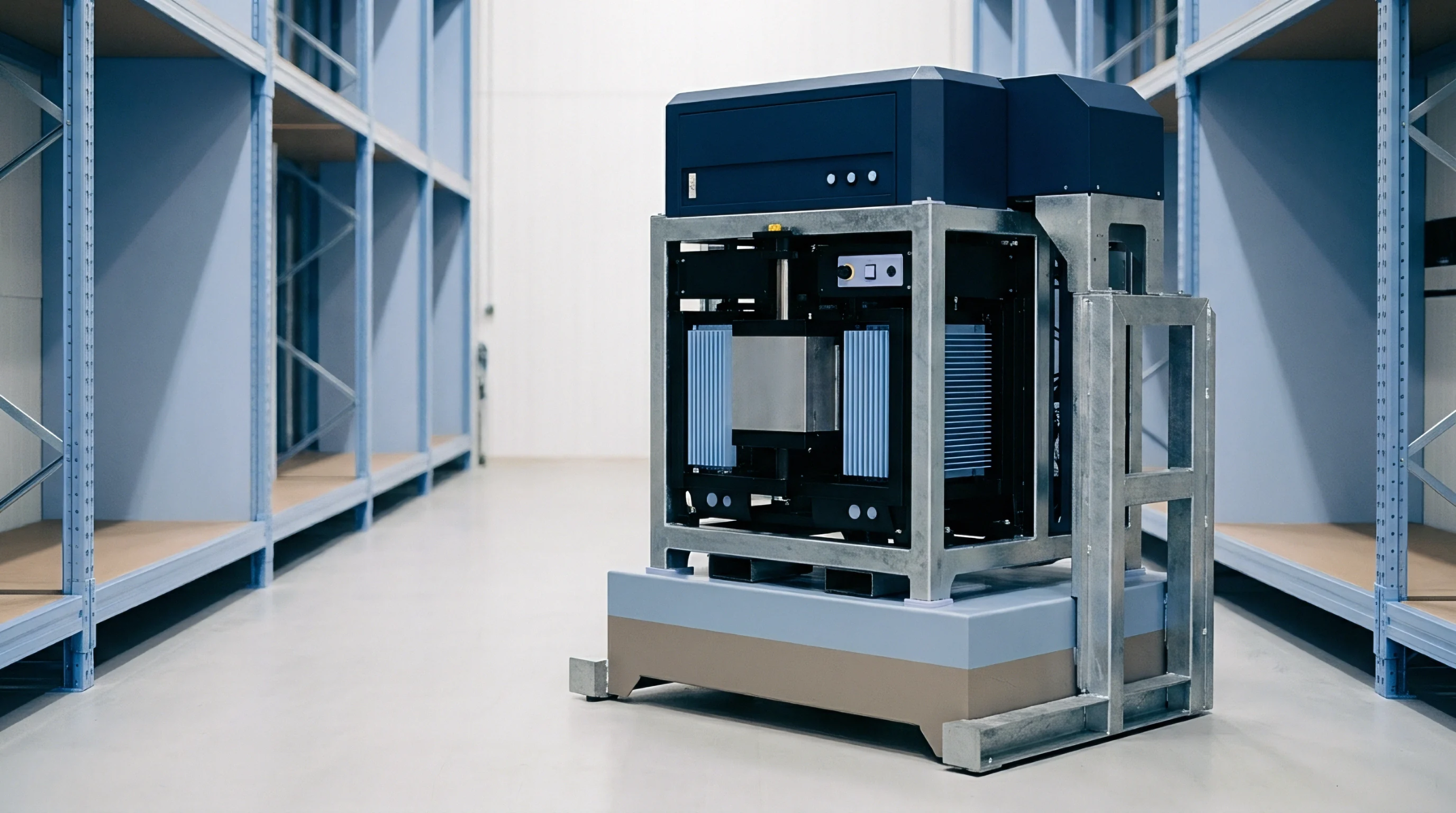
The physical resistance of a mechanical testing machine’s structure to deformation under rapidly changing forces determines the accuracy of measured displacement data during battery cell testing. This structural parameter, known as dynamic load frame stiffness, governs the capability of the test apparatus to maintain a truly constant volume or a controlled displacement during rapid cell expansion or contraction. It applies to both the load frame itself and the integrated compression fixtures.
The boundary of its application is defined by the mechanical load path of the test assembly.
Metrological Impact
Deflection of the testing machine under high force leads to serious displacement errors if the structural compliance is uncorrected. During battery testing, the dynamic load frame stiffness must be high enough to prevent the fixture from flexing as the cell swells. Sourcing departments must verify that the test laboratories use frames with sufficient rigidity to generate reliable displacement data.
This verification is essential for ensuring that the mechanical behavior of the cell is not obscured by machine deformation.
Correction Protocol
Software based compliance correction is applied to subtract the elastic deformation of the frame from the measured cell displacement. This correction uses a stiffness curve generated during calibration with a solid steel block. If the dynamic load frame stiffness is poorly characterized, the resulting displacement data will be inaccurate, especially during fast-charge testing where force changes are rapid.
Implementing this correction protocol ensures that the recorded cell swelling is precise and traceable to standard metrological requirements.
Sourcing Metric
Rigid equipment standards are specified in procurement contracts to ensure that testing laboratories can deliver comparable data. Buyers of high-performance cells require suppliers to perform tests on machines that meet a minimum dynamic load frame stiffness specification. This requirement ensures that cell expansion data generated by different suppliers can be compared directly.
It minimizes the risk of buying cells that appear to have low expansion but actually have high swelling forces that were masked by a soft test fixture, securing the structural integrity of the module design.