Meaning
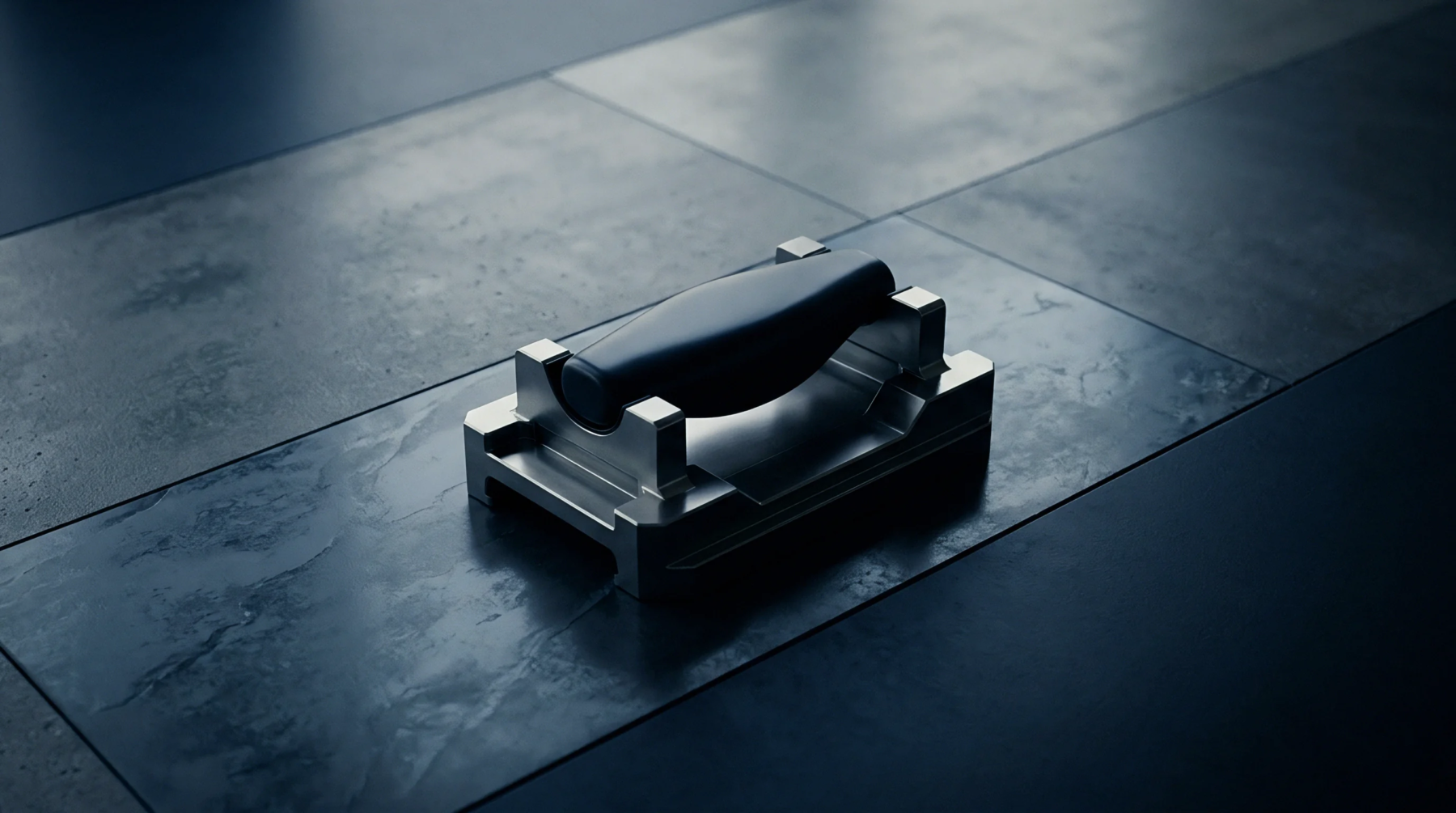
Metal profiles shaped by forcing heated billet through a shaped steel die provide continuous uniform cross-sections with excellent structural properties for protective framing. In battery pack design, extruded aluminum is widely used to create the outer side members and internal longitudinal floor beams. This fabrication method produces long straight sections with internal hollow chambers that absorb energy during side impacts.
Battery procurement specialists negotiate agreements for these profiles based on weight per meter and alloy specification to ensure consistent pricing. By selecting customized die shapes, manufacturers can include mounting rails or slide-in slots directly in the profile.
Profile Production
Hydraulic presses push the softened metal through the die opening at temperatures exceeding four hundred degrees Celsius. The resulting profile is cooled with air or water and then stretched to ensure straightness. This process allows the creation of complex hollow shapes that would be difficult to machine.
Mechanical Strength
Structural characteristics of the extrusion are determined by the chosen alloy and the subsequent heat treatment process. Using extruded aluminum provides high bend resistance while keeping the overall assembly lightweight. These profiles are often joined together using friction stir welding or structural adhesives to form the main crash frame of the vehicle battery.
Thermal Conductivity
Heat dissipation is another advantage of these profiles when they are integrated with cooling systems. The metal carries heat away from the module floor to the thermal management plates. In thermal design, the thickness of the extrusion base must be controlled to maintain low thermal resistance.
Consistent wall thickness prevents hot spots from forming within the battery pack during rapid charging cycles.