What a Cell Datasheet Hides about Storage Shelf Life
Datasheet shelf life claims hide permanent capacity loss and resistance growth; real storage stability demands dock impedance screening and temperature tracking.
inventory management systems utilize a chronological queuing logic to ensure that stored components enter production in the same order they arrived. It functions as a safeguard against the excessive aging of volatile items like cell batches or chemical adhesives before module integration. This logic ensures that oldest units leave the warehouse first to maintain consistent performance and avoid expiration of internal shelf life limits.
Every station using first in first out staging avoids the accidental isolation of materials in the back of the storage area. It optimizes the utilization of stock while providing clear traceability for quality audits if a manufacturing error is later discovered in a specific lot. This systematic tracking stops when items are permanently consumed or discarded at the assembly point.
Sequencing stock based on arrival time prevents older cells from sitting idle while newer batches move straight into the assembly line. A strict first in first out staging protocol ensures that the technical parameters of the stored batteries remain within a tight distribution of state of charge values. It simplifies the task of inventory controllers who need to match lot numbers with production dates for regulatory compliance.
Clear labeling with arrival timestamps identifies which crates move forward next during morning shifts. If inventory builds up, the logic remains resilient and pushes items forward according to their specific documentation dates rather than shelf proximity. Managing material flow this way reduces the likelihood of encountering degraded hardware that has sat for several months in a forgotten aisle.
Many electrochemical components lose performance characteristics if left in storage environments for extended periods without use. Proper first in first out staging protects the hydration of seals and the chemical balance of lithium ion cells by prioritizing older inventory during periods of lower throughput. Engineers find that uniform aging results in higher predictability during the initial commissioning tests of the finished battery container.
Since adhesives and thermal gap fillers have hard expiration dates, this logic prevents the financial loss of throwing away items that reached the end of their useful service window. Temperature logs confirm that items in the front of the queue have not been overexposed during long dwells at the loading bay doors. Routine checks verify that the sequence has not been breached by manual errors during busy holiday seasons.
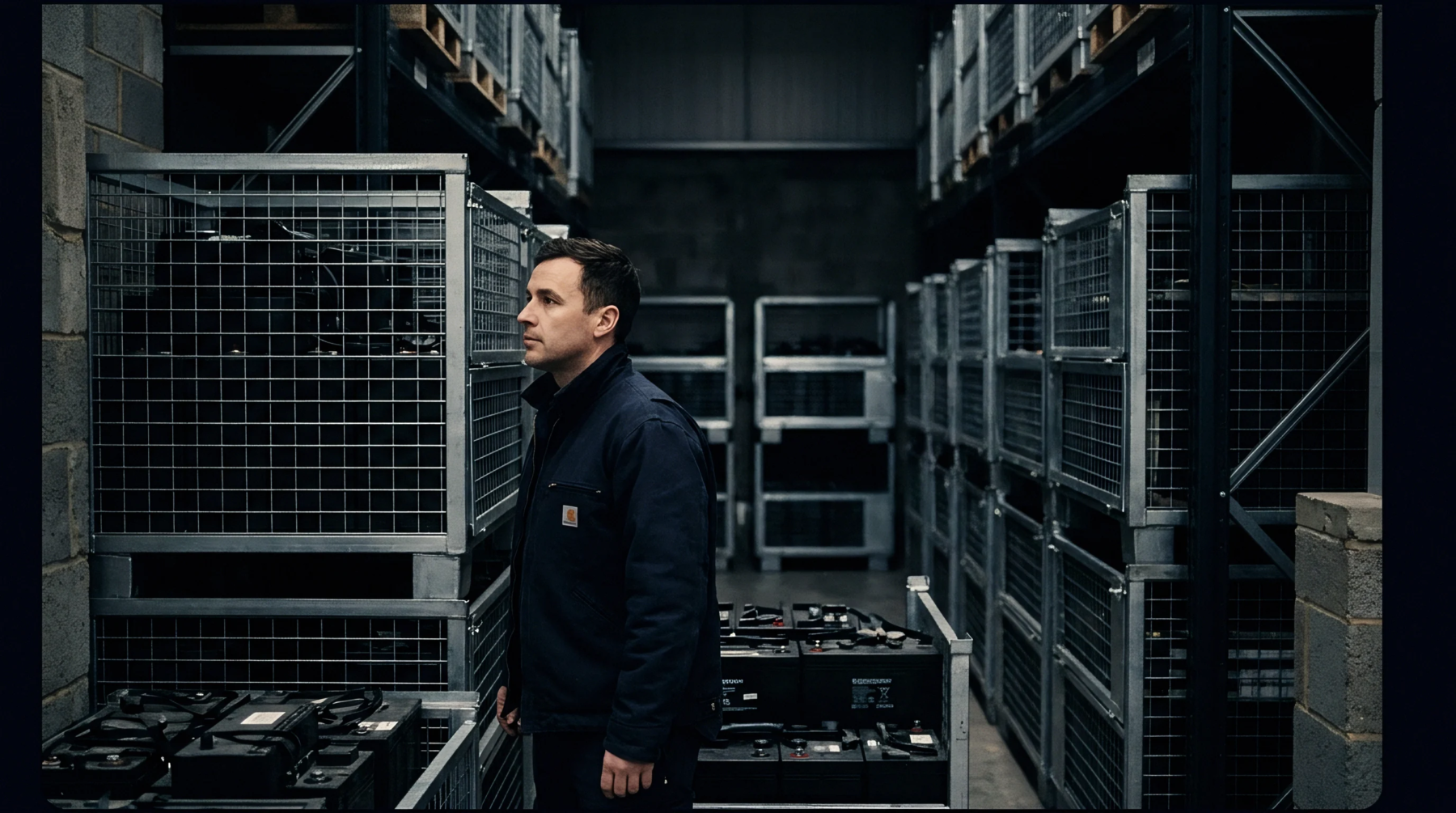
Warehouse layouts facilitate this movement by using flow racks where items load at the back and unload at the front for immediate use. Implementing first in first out staging requires clear transit paths that prevent newer arrivals from blocking older crates from moving toward the factory doors. Automation speeds up this sequence by scanning barcodes and moving pallets with minimal human intervention.
Sourcing departments monitor the queue depth to ensure that old material is consumed at a rate matching its incoming frequency. Error logs identify if a pallet has been skipped or if the rotation strategy has failed due to poor mechanical configuration of the racks. When the protocol operates flawlessly, it ensures that every module leaving the factory has components with the maximum possible remaining technical life.
Datasheet shelf life claims hide permanent capacity loss and resistance growth; real storage stability demands dock impedance screening and temperature tracking.
Expertise is a utility, not a secret. sentiention™ publishes its working knowledge as open reference: intelligence layer covering the materials it sources, the markets it enters, and the reference that serves both.