Meaning
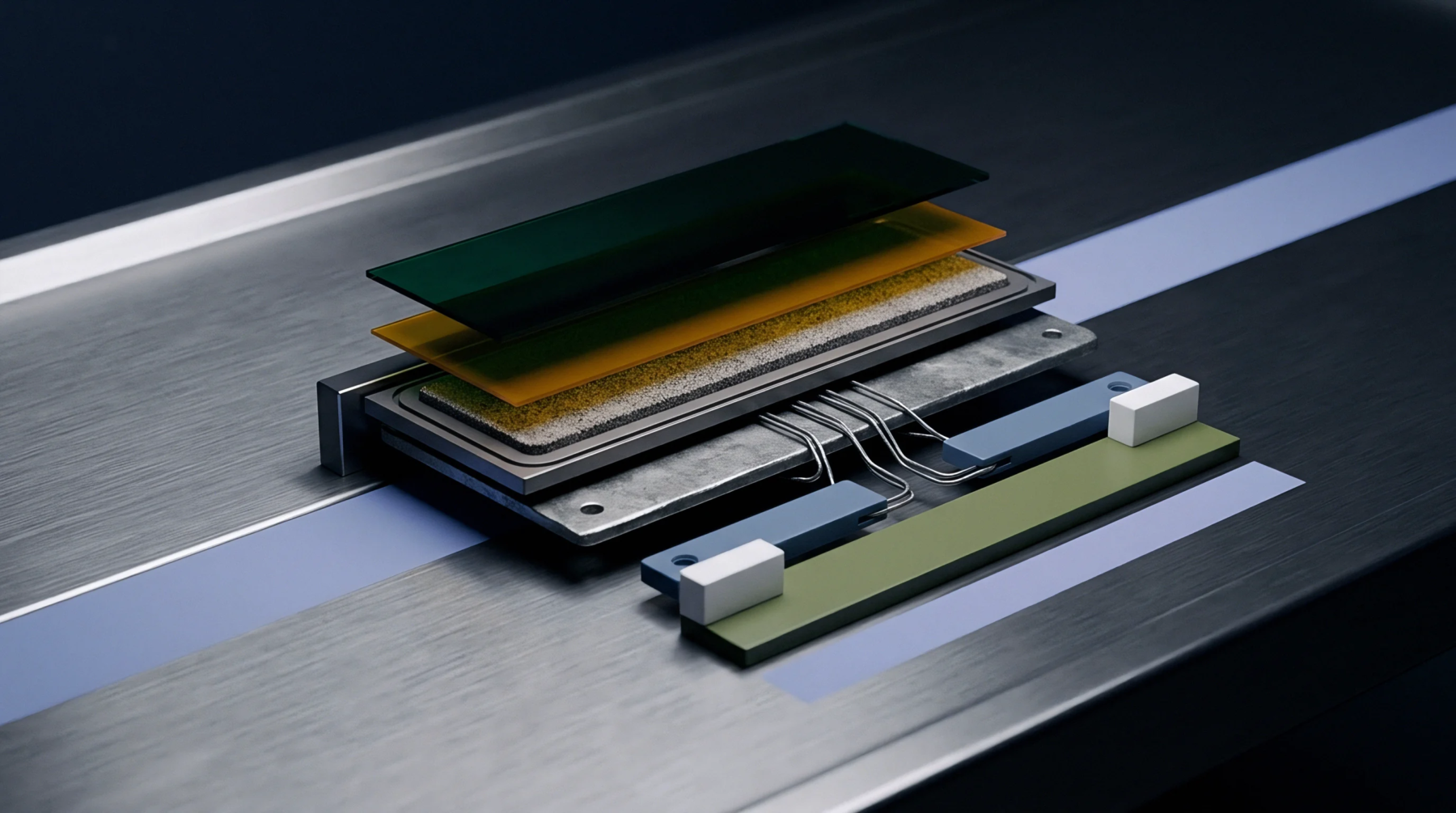
Mechanical integration processes combine individual electrochemical cells into a unified structural and electrical unit. Precision is required during module assembly to ensure that busbars, cooling plates, and sensors are positioned correctly within the frame. This stage provides the necessary physical protection and thermal management for the cells.
Structural Frame
Aluminum or plastic housings hold the cells in a fixed orientation. During module assembly, the frame must be strong enough to resist the expansion forces of the cells and the vibrations of the vehicle. Adhesive bonding or mechanical fasteners secure the components into a rigid block.
Electrical Connection
Busbars are welded to the cell terminals to create the series and parallel circuits. The quality of these joints during module assembly determines the internal resistance and the current carrying capacity of the system. Laser welding is the preferred method for its speed and low heat input.
Technicians use automated optical inspection to verify the integrity of every weld before the unit moves to the next stage. Any high resistance connection found here would lead to overheating during operation.
Thermal Interface
Heat conductive materials are applied between the cells and the cooling system. Successful module assembly requires the elimination of air gaps to ensure efficient heat transfer during fast charging. This interface protects the cells from reaching temperatures that would trigger a thermal runaway.