Meaning
Mandatory safety trials evaluate the resistance of lithium cells to internal short circuits when subjected to sudden mechanical compression or impact. This safety trial is called the impact crush test t.6, and it is a critical part of the UN 38.3 testing series. Sourcing managers must verify that the cells they purchase have passed this test to ensure structural safety.
The test applies to both primary and rechargeable lithium cells.
Test Procedure
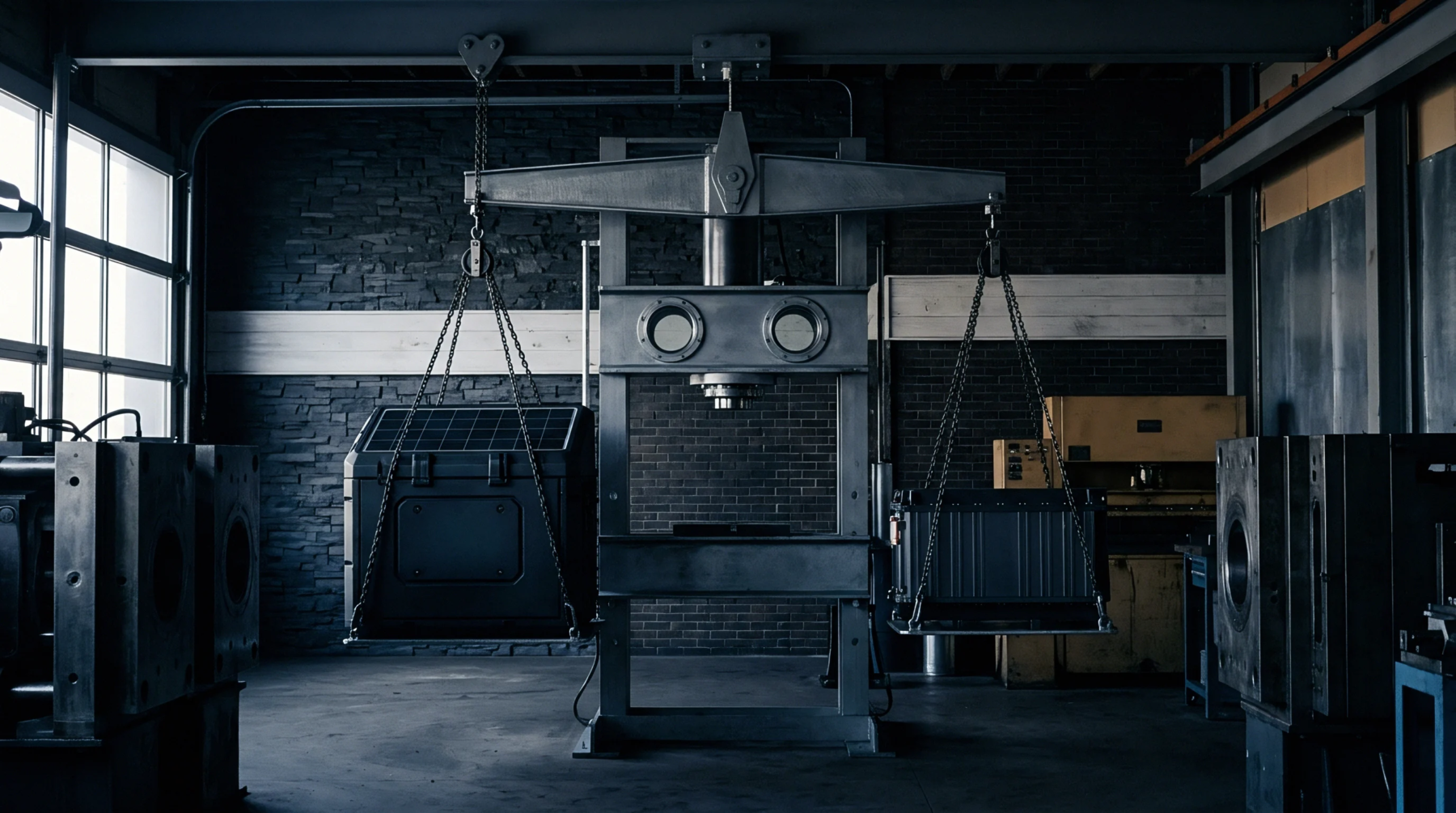
The test involves placing a cell on a flat surface and subjecting it to a crushing force or dropping a heavy weight on it. This impact crush test t.6 simulates the severe physical forces that a battery might experience during a transport accident. The test measures the cell’s ability to withstand this mechanical stress without igniting, exploding, or leaking chemicals.
Sourcing teams review the laboratory test reports to confirm that the cells passed without failure.
Safety Design
Cell manufacturers must design robust casings and internal structures that can absorb these physical impacts without short-circuiting. Passing the impact crush test t.6 demonstrates that the cell’s internal separators and electrodes are strong enough to prevent contact under pressure. Sourcing departments use this test data to compare the physical durability of cells from different suppliers.
This analysis helps buyers choose the safest and most reliable cells for their products.
Sourcing Influence
Procurement managers must require this test summary from all cell suppliers before placing orders to ensure compliance and avoid product liabilities. Sourcing agreements should make passing this test a non-negotiable condition for all battery purchases to protect the company’s reputation. This requirement ensures that the batteries used in commercial products are safe and will not cause safety issues during shipment.
Sourcing budgets should incorporate these safety checks to avoid the financial and legal consequences of cell failure.