Bonded Cell Stacks against Serviceability Economics
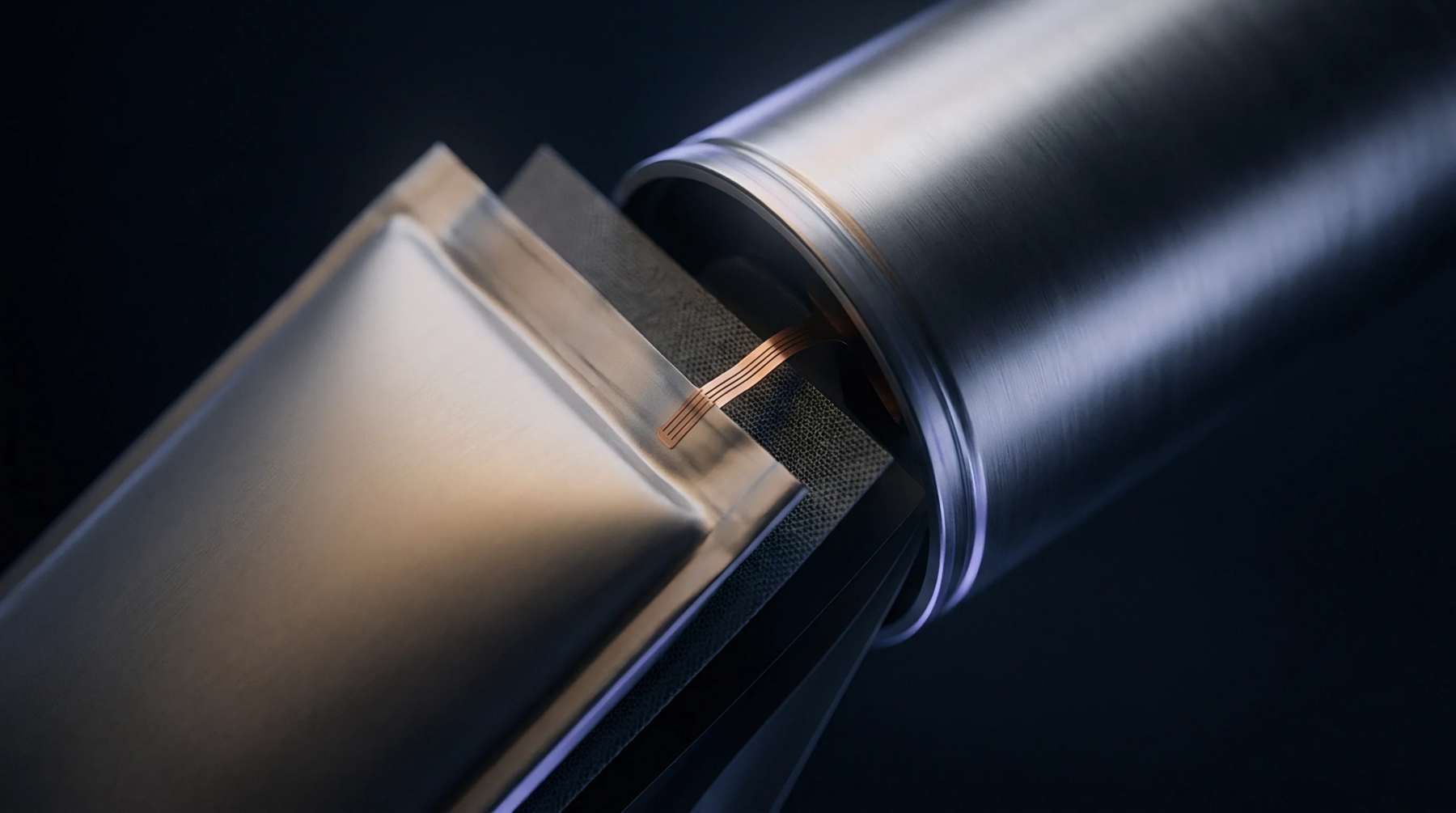
Structurally bonding cell stacks eliminates module mass but transforms minor field defects into complete pack scrap liabilities.
This advanced industrial process uses electromagnetic induction to rapidly heat adhesive joints or metal boundaries to facilitate the disassembly of battery packs. In recycling and remanufacturing, induction dismantling allows for the quick release of cells from cooling plates and structural modules without mechanical tearing. Sourcing teams specify these electromagnetic heating systems to increase the automation and efficiency of battery pack disassembly lines.
The process is limited to assemblies that contain electrically conductive or ferromagnetic materials, failing to heat purely non-metallic or plastic parts. Sourcing contracts establish the coil power, frequency ranges, and safety protocols for these systems.
Alternating magnetic fields generated by a custom induction coil induce eddy currents within the metallic battery housing or cooling plate. These eddy currents generate rapid, localized heat due to the electrical resistance of the metal. This thermal energy causes the adhesive layer holding the cells to soften or debond in seconds.
Because the heating is localized and highly controlled, the process does not raise the temperature of the sensitive battery cells beyond safe limits. Engineers design the induction coils to match the shape of the battery modules, ensuring that the energy is focused precisely on the joint area. This precision minimizes energy consumption and prevents thermal runaway.
Implementing this induction heating technology allows recycling facilities to replace labor-intensive manual scraper tools and hazardous chemical solvents. In automated dismantling lines, robots position the induction coils over the battery module, apply a short burst of electromagnetic energy, and then lift the loosened cells away. This process reduces the risk of operator injury and avoids damaging high-value cell casings, which can then be tested for second-life applications.
Sourcing managers collaborate with technology providers to design flexible coil arrays that can accommodate various battery pack layouts and materials, enhancing the factory’s versatility.
Sourcing decisions for induction dismantling systems focus on frequency flexibility, power output, and the ease of robot integration. The procurement team evaluates the supplier’s capability to provide custom coil designs and simulate heating profiles for different battery modules. Sourcing agreements must include safety features, such as temperature monitoring cameras, to shut down the induction system if a hot spot is detected.
Procurement managers secure robust warranty terms and spare parts packages to ensure high machine availability. This procurement strategy helps the company establish a safe, cost-effective, and highly automated recycling operation.
Structurally bonding cell stacks eliminates module mass but transforms minor field defects into complete pack scrap liabilities.
Expertise is a utility, not a secret. sentiention™ publishes its working knowledge as open reference: intelligence layer covering the materials it sources, the markets it enters, and the reference that serves both.