
Solidification Dynamics of Rapidly Solidified Droplets in Battery Powder Synthesis
Rapid droplet solidification dynamics dictate grain size, microsegregation, and sphericity in battery powder synthesis, setting tap density and yield.
Rapid droplet solidification dynamics dictate grain size, microsegregation, and sphericity in battery powder synthesis, setting tap density and yield.

Cathode particle fracture increases specific surface area while fragmented debris clogs electrode void pathways, causing sharp non-linear impedance rise.
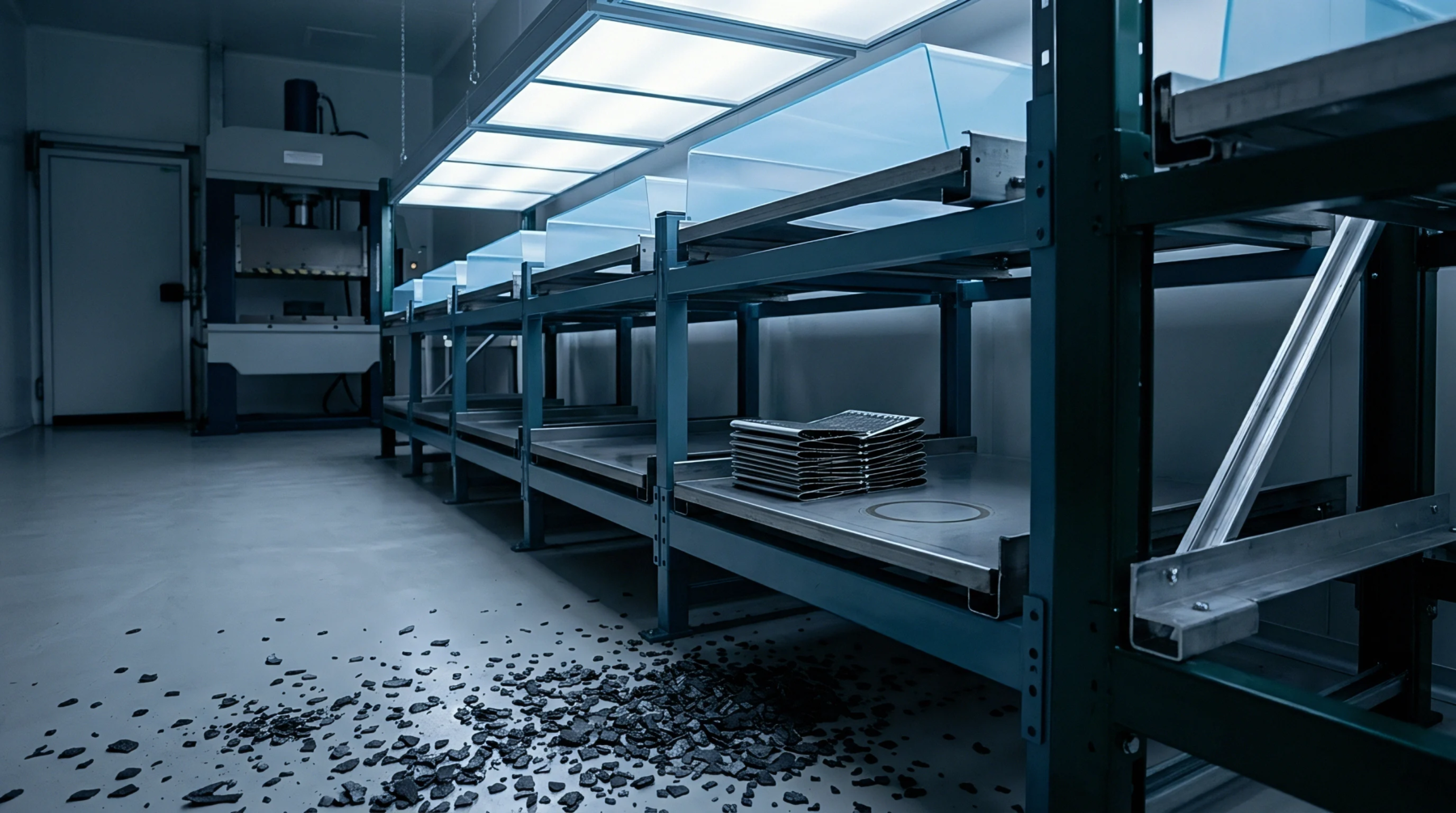
Optimize close-coupled gas atomization gas-to-metal ratio between 3.5 and 4.0 to maximize 5 to 25 micrometer battery powder yield while limiting fines.
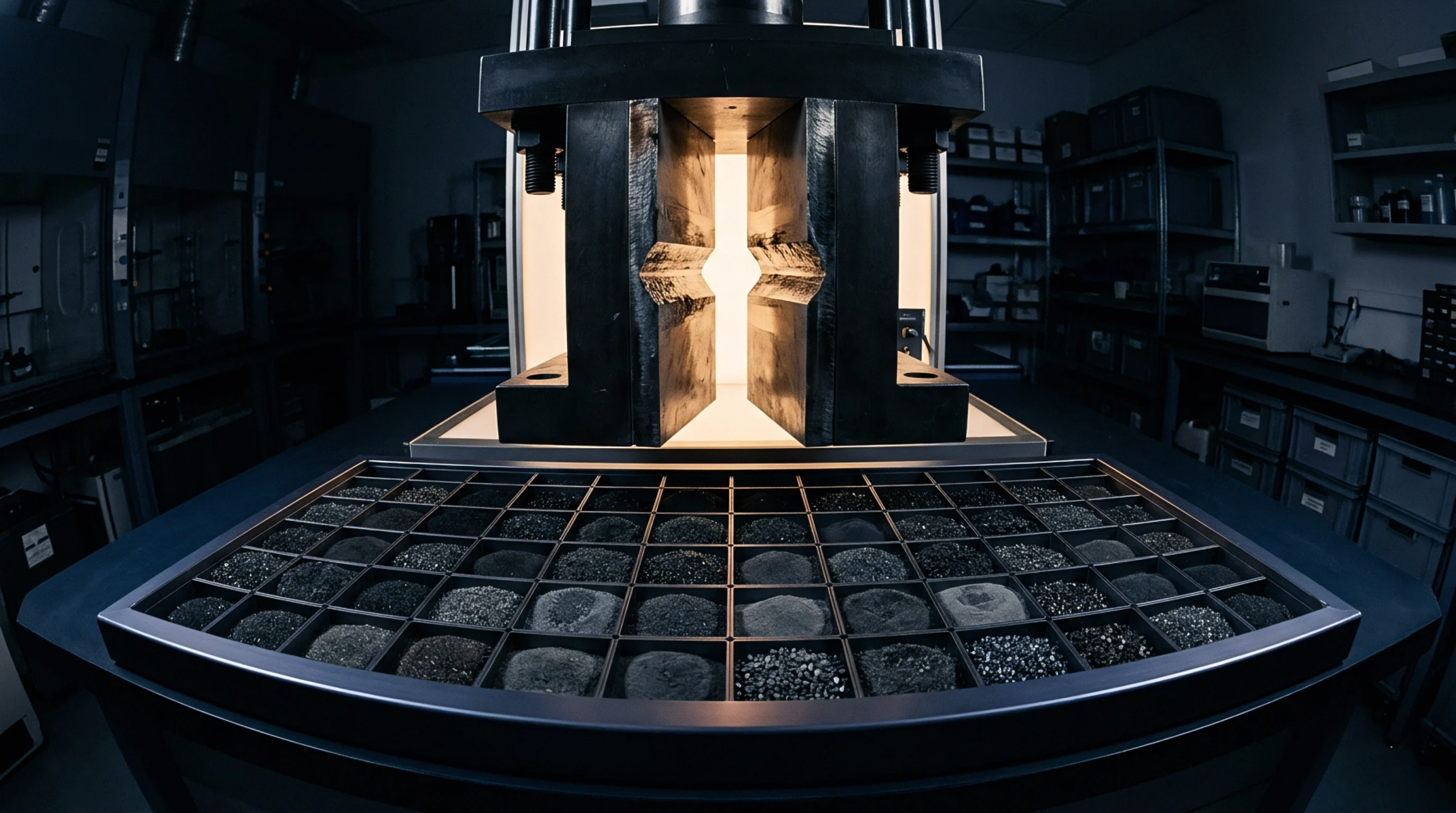
Maintaining gas atomization pressure between 2.5 MPa and 4.0 MPa optimizes particle sphericity while suppressing fine satellite dust in battery precursor synthesis.

Pyrolysis between 1100C and 1300C balances turbostratic interlayer spacing with closed pore volume to maximize plateau capacity while capping irreversible SEI losses.

Maintain negative aspiration pressure above 25 kPa gauge using optimized close-coupled tip recess geometries to eliminate argon entrapment in tool steel powders.

Specific gas consumption and nozzle tip pressure determine liquid breakup efficiency and final yield in tool steel atomization.

Physical characterization of recycled cathode precursors requires screening tap density, internal porosity, and particle friability to prevent calcination failures.
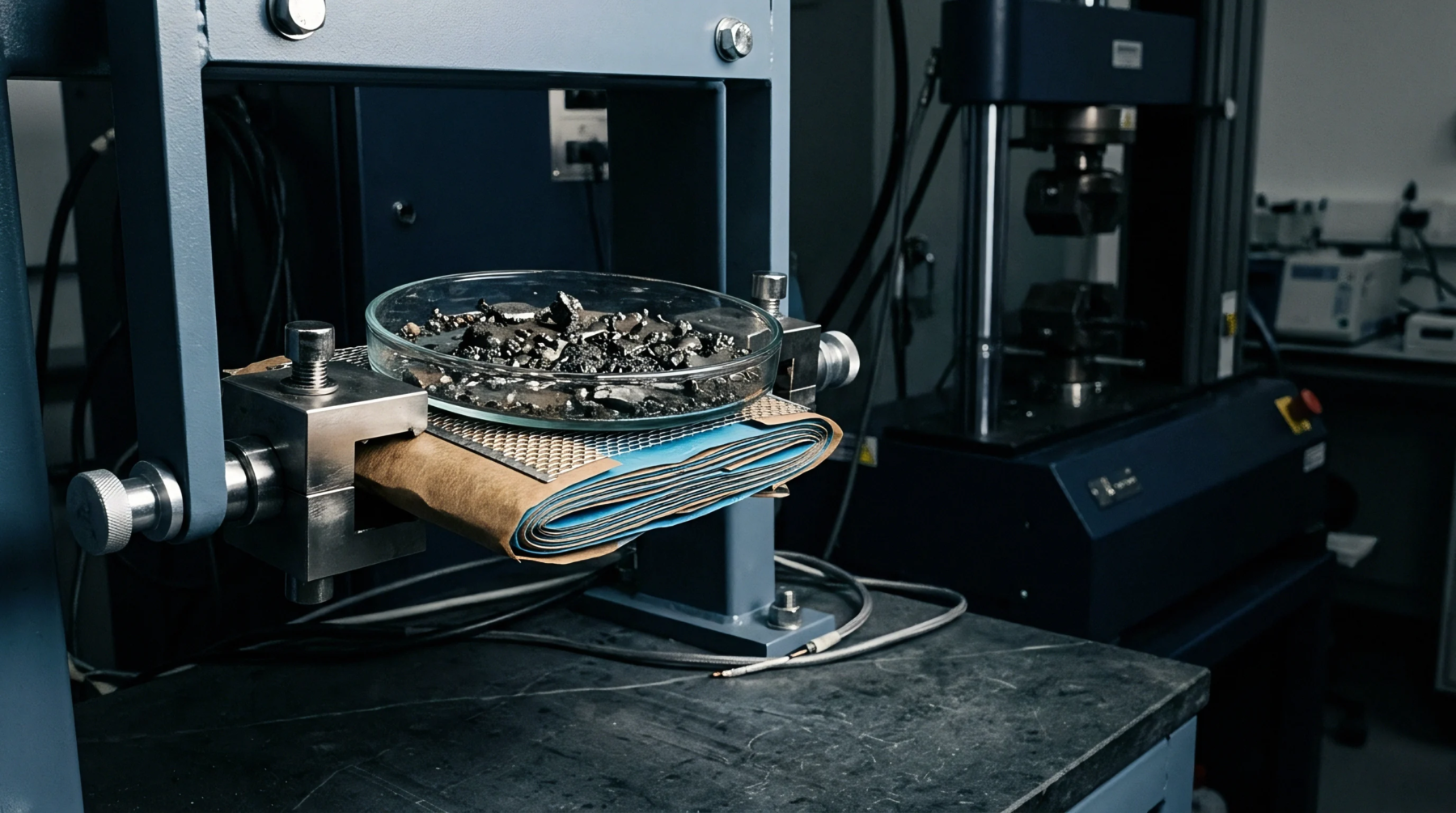
Increasing gas to metal mass ratio decreases median particle size in tool steel powder, shifting mass yield into fine powder fractions at higher argon expense.
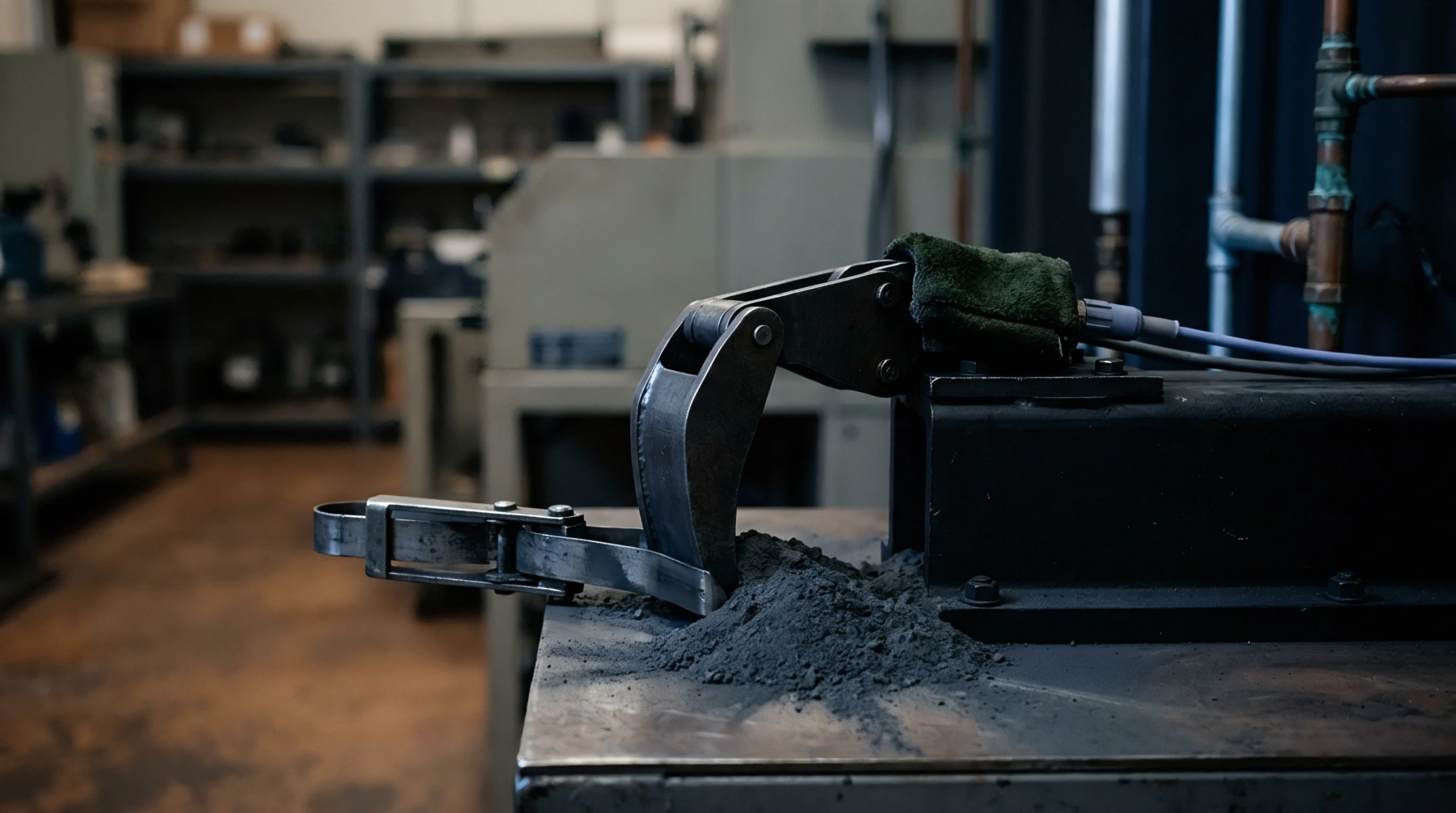
Continuous pyrolysis delivers lower manufacturing costs and stable hard carbon yields, whereas chemical pre-sodiation boosts efficiency at higher scrap and reagent expenses.

Hydrometallurgical refining and coprecipitation dynamics dictate precursor particle morphology, phase purity, and electrochemical life in lithium-ion cells.
Melt superheat, gas-to-metal ratio, and aspiration pressure dictate particle size distribution, cooling rate, and oxide pickup in tool steel powder production.

Demineralizing lignin to under 100 ppm ash and drying below 0.5 percent moisture stabilizes hard carbon batch structure and initial coulombic efficiency.

Bio-derived hard carbon performance depends on biopolymer ratio selection, acid demineralization, controlled carbonization temperatures, and surface passivation to maximize low-potential plateau capacity while maintaining high initial Coulombic efficiency.
Analytical verification of recycled pCAM requires rigorous laser diffraction, ICP trace impurity screening, and bench-scale calcination half-cell testing.
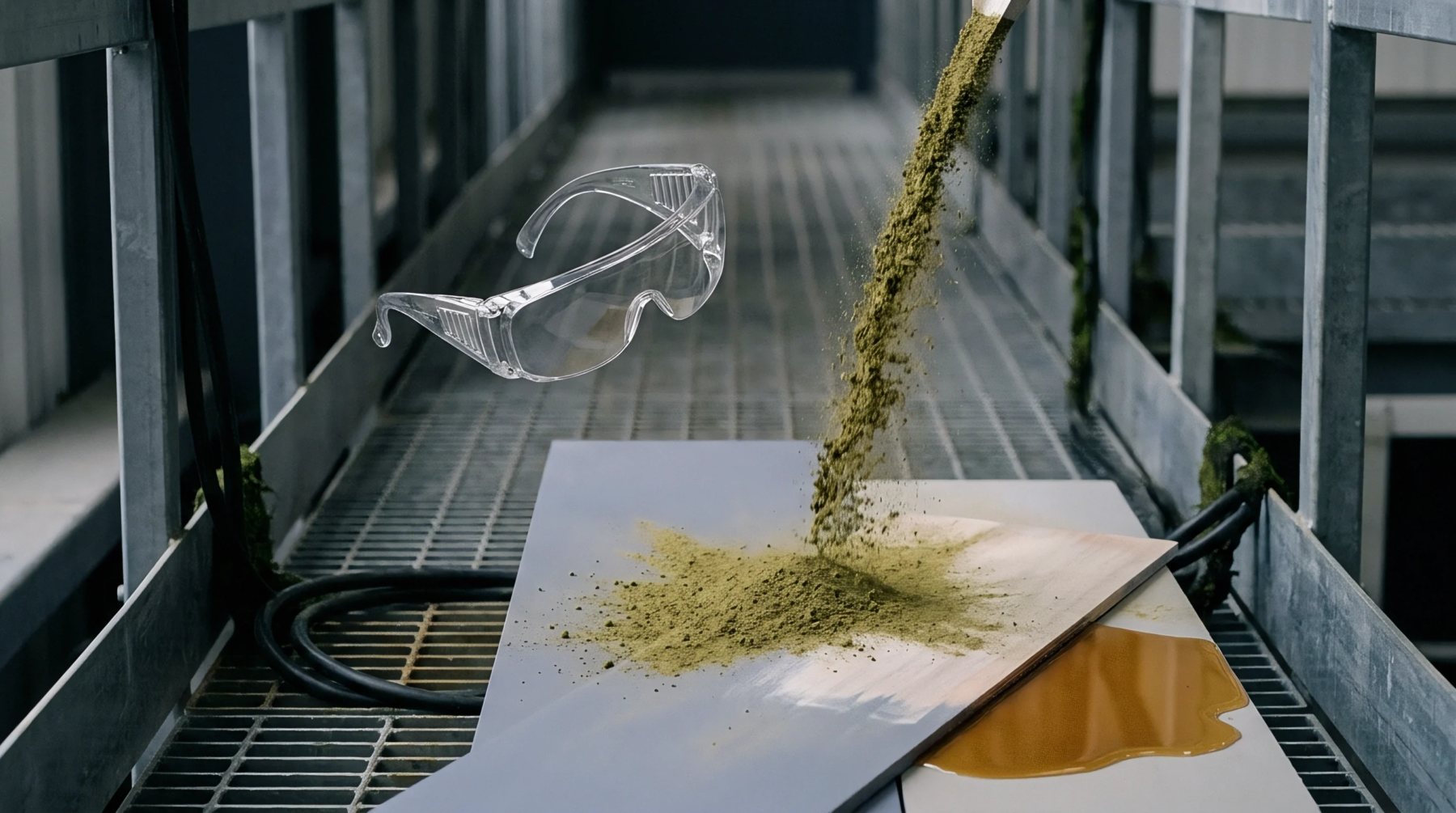
Modulating close-coupled gas atomization pressure to match supersonic shock alignment stabilizes tip aspiration pressure, maximizing spherical battery powder yield within target size windows.
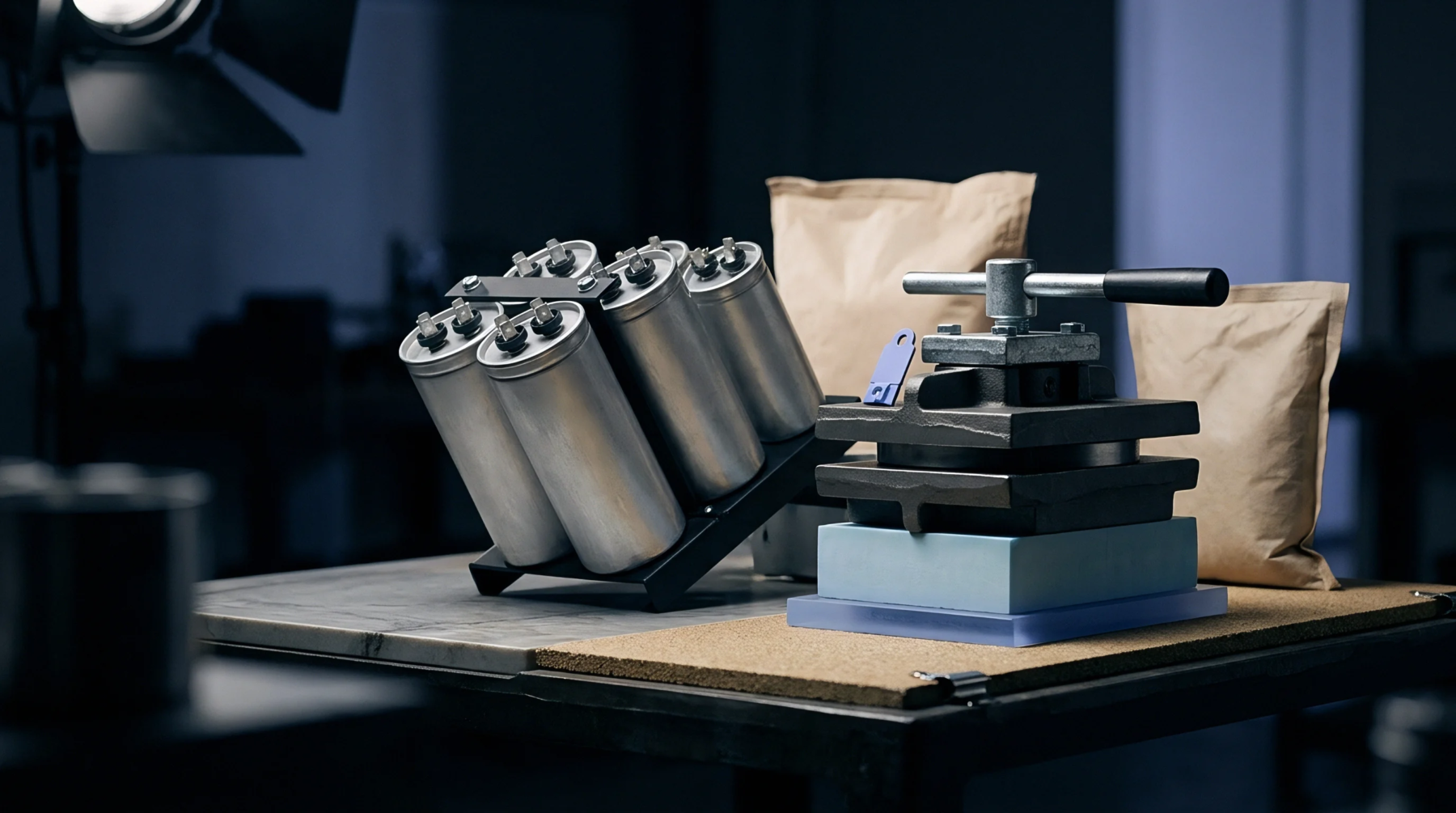
Optimize gas-to-metal ratios between 2.8 and 4.2 under controlled aspiration pressure to maximize tool steel powder yields and suppress internal gas entrapped porosity.

Gas atomization of high alloy tool steel requires matching gas-to-melt ratios and superheat to restrict internal argon void volume under 0.05 percent.
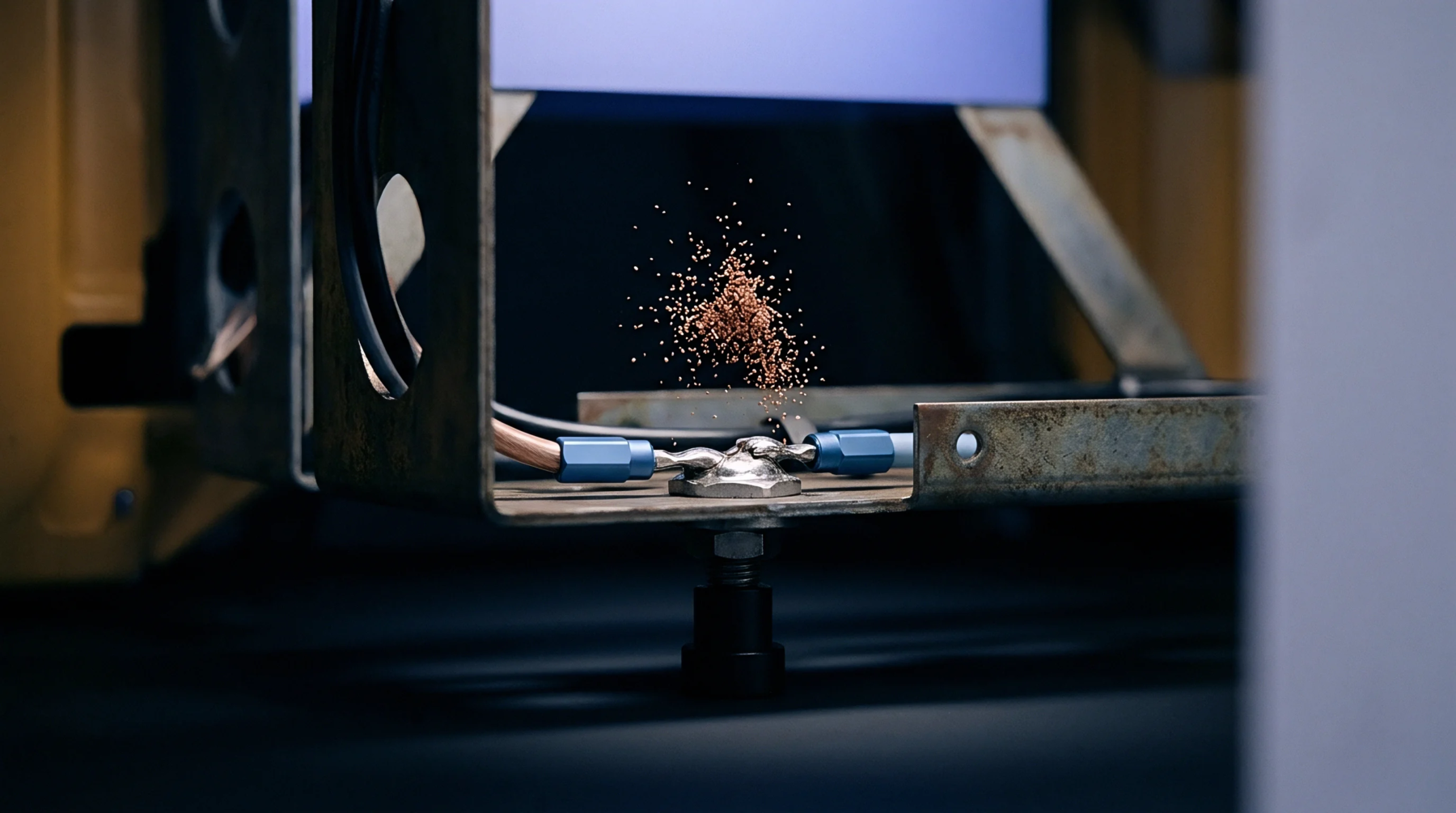
Carbide nucleation kinetics during inert gas atomization are controlled by droplet cooling rates between 10,000 and 1,000,000 K/s, dictating PM steel toughness.
Gas atomization of tool steel powders requires maintaining melt superheat at 150°C above liquidus and gas-to-metal ratio between 1.8 and 2.5 to optimize yield.

Optimizing tundish superheat, gas-to-metal ratio, and cooling rates ensures uniform fine carbide distribution and eliminates thermal segregation in PM tool steel powder.
Hard carbon precursor economics remain constrained by low pyrolysis yields and high calcination power costs, delaying sodium-ion cost parity with synthetic graphite LFP cells.

Recycled cathode precursors match virgin cell performance when hydrometallurgical refining limits trace iron and copper contaminants below 10 and 5 ppm respectively.
Expertise is a utility, not a secret. sentiention™ publishes its working knowledge as open reference: intelligence layer covering the materials it sources, the markets it enters, and the reference that serves both.