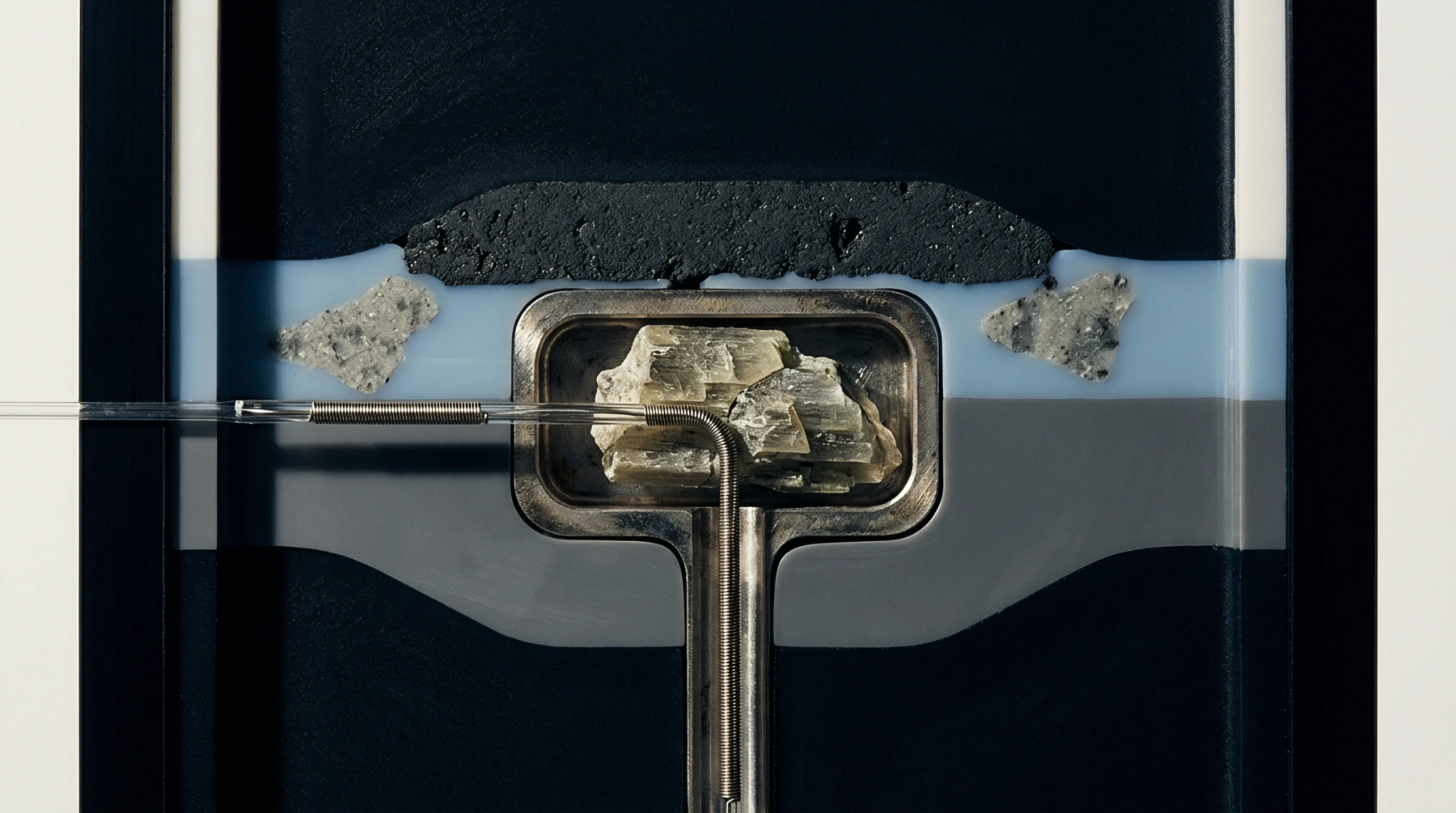
The Main Lithium Battery Chemistries and What Each Is For
Cell chemistry selection dictates system safety, cycle longevity, thermal cooling architecture, dangerous goods logistics, and levelized storage cost per delivered cycle.
This compound, known as lithium titanate or LTO, is a specialized anode material used in high power lithium ion batteries. Unlike conventional graphite anodes, it features a spinel crystal structure that allows for the rapid insertion and extraction of lithium ions with almost no change in volume. The li4ti5o12 material is characterized by its high thermal stability and its ability to operate safely at very high rates of charge and discharge.
It effectively stops being a viable choice for high energy applications because its operating voltage is much higher than graphite, which reduces the total energy density of the cell. This chemistry is favored for applications where extreme cycle life and safety are prioritized over mass or volume.
The unique property of this material is its zero strain nature during the electrochemical process of lithiation. As lithium enters the li4ti5o12 lattice, the dimensions of the unit cell remain nearly constant, preventing the mechanical fatigue that typically destroys other anode materials. This structural rigidity allows the battery to survive tens of thousands of cycles without the significant capacity loss seen in traditional lithium ion chemistries.
Because the material does not expand or contract, the solid electrolyte interphase on the surface remains stable and does not grow excessively over time. This lack of growth helps to maintain low internal resistance throughout the long life of the battery. The spinel framework also provides three dimensional pathways for lithium ion diffusion, which contributes to the superior power performance of the cell.
Cells utilizing this chemistry can be fully recharged in as little as six to ten minutes without the risk of lithium plating or thermal runaway. This is possible because the operating potential of li4ti5o12 is well above the point where metallic lithium forms on the anode surface. This inherent safety makes it an excellent choice for fast charging bus fleets or industrial equipment that requires continuous operation with short charging breaks.
Even at temperatures as low as minus thirty degrees Celsius, the material maintains its ability to accept and deliver high currents effectively. This low temperature capability is a significant advantage in cold climates where standard lithium ion batteries often struggle or fail. The high power density allows for smaller pack designs in hybrid vehicles where energy storage is used primarily for capturing braking energy.
The long term value of this chemistry is found in its extremely low maintenance requirements and its ability to last for the entire life of the vehicle or system. While the initial cost per kilowatt hour is higher than for NMC or LFP batteries, the total cost of ownership is often lower due to the extended cycle life. Sourcing li4ti5o12 requires a different supply chain than graphite, as it relies on titanium production rather than carbon mining.
The chemical stability of the oxide surface means that these batteries are less likely to suffer from the gassing issues that can affect other high power cells. Project developers choose this technology for grid frequency regulation and heavy duty transport where downtime is expensive. This material represents a mature and reliable solution for the most demanding energy storage environments.
Cell chemistry selection dictates system safety, cycle longevity, thermal cooling architecture, dangerous goods logistics, and levelized storage cost per delivered cycle.
Expertise is a utility, not a secret. sentiention™ publishes its working knowledge as open reference: intelligence layer covering the materials it sources, the markets it enters, and the reference that serves both.