Meaning
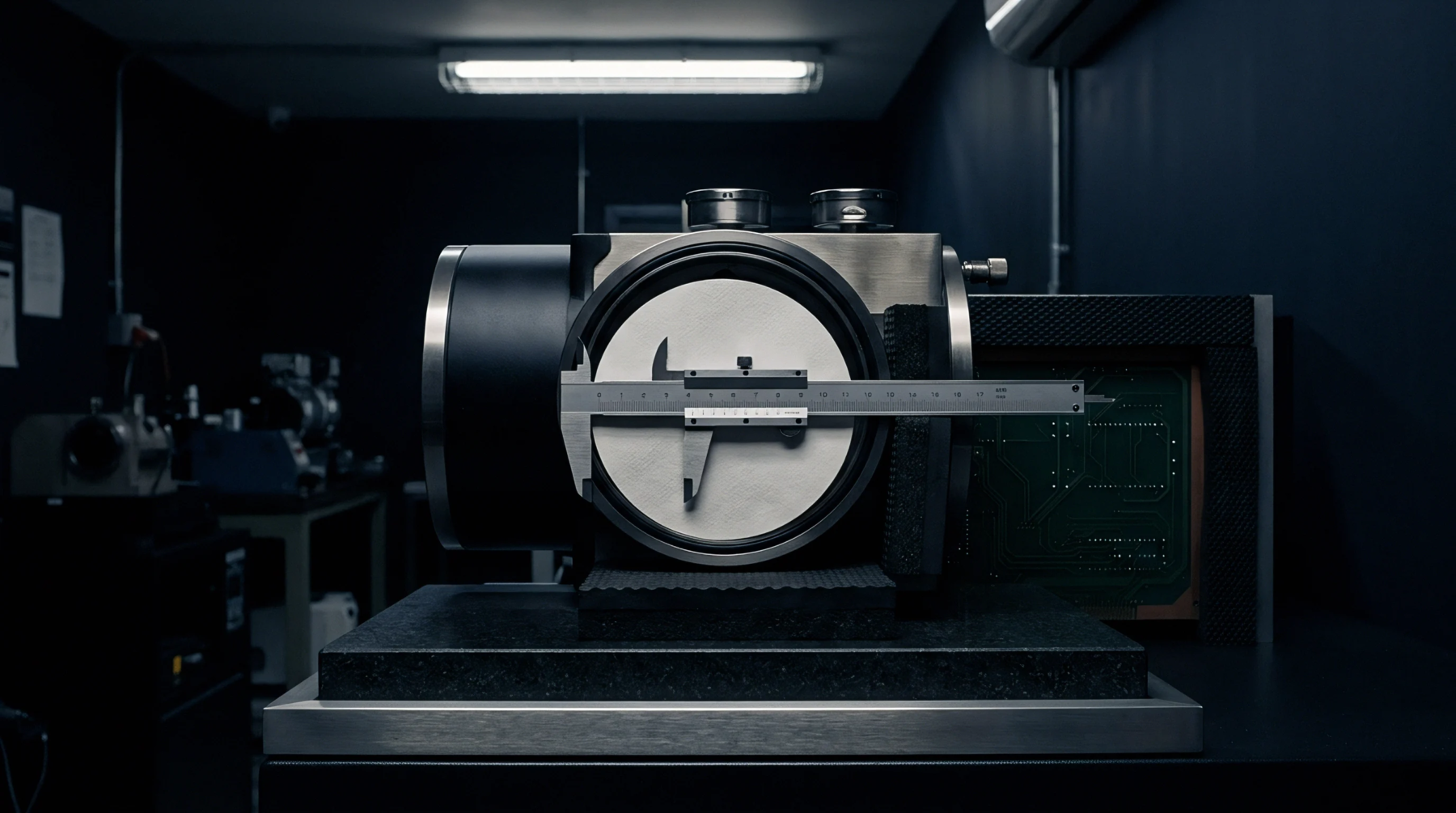
Environmental testing that exposes battery packs or cells to reduced atmospheric pressures replicates the high-altitude conditions encountered during air transport. In compliance laboratories, low pressure simulation evaluates the mechanical stability of the battery casing under differential pressure.
Seal Integrity
When external pressure drops, a large pressure differential develops between the sealed interior of the battery and the surrounding environment. Undergoing low pressure simulation helps engineers verify that the electrolyte does not leak through the safety vents or seam welds. Any leakage during the test constitutes a failure of the cell enclosure design.
Sourcing specialists must reject cell models that fail to maintain their seal during these simulations.
Safety Certification
Compliance with international transport protocols is mandatory before any battery pack can be shipped globally. The execution of low pressure simulation is a standard part of the UN 38.3 test series, which is required for both lithium-ion and lithium metal cells. Achieving this certification is necessary for commercial distribution.
It provides the legal documentation required by shipping companies and freight forwarders.
Testing Mechanism
The testing procedure involves placing the battery inside a vacuum chamber and reducing the internal pressure to eleven point six kilopascals for at least six hours. During this phase of low pressure simulation, the chamber temperature must be kept constant to prevent thermal influences from distorting the results. After the test, the cell is inspected for mass loss, leakage, and swelling.
This physical examination determines whether the cell is approved for air transport.