Meaning
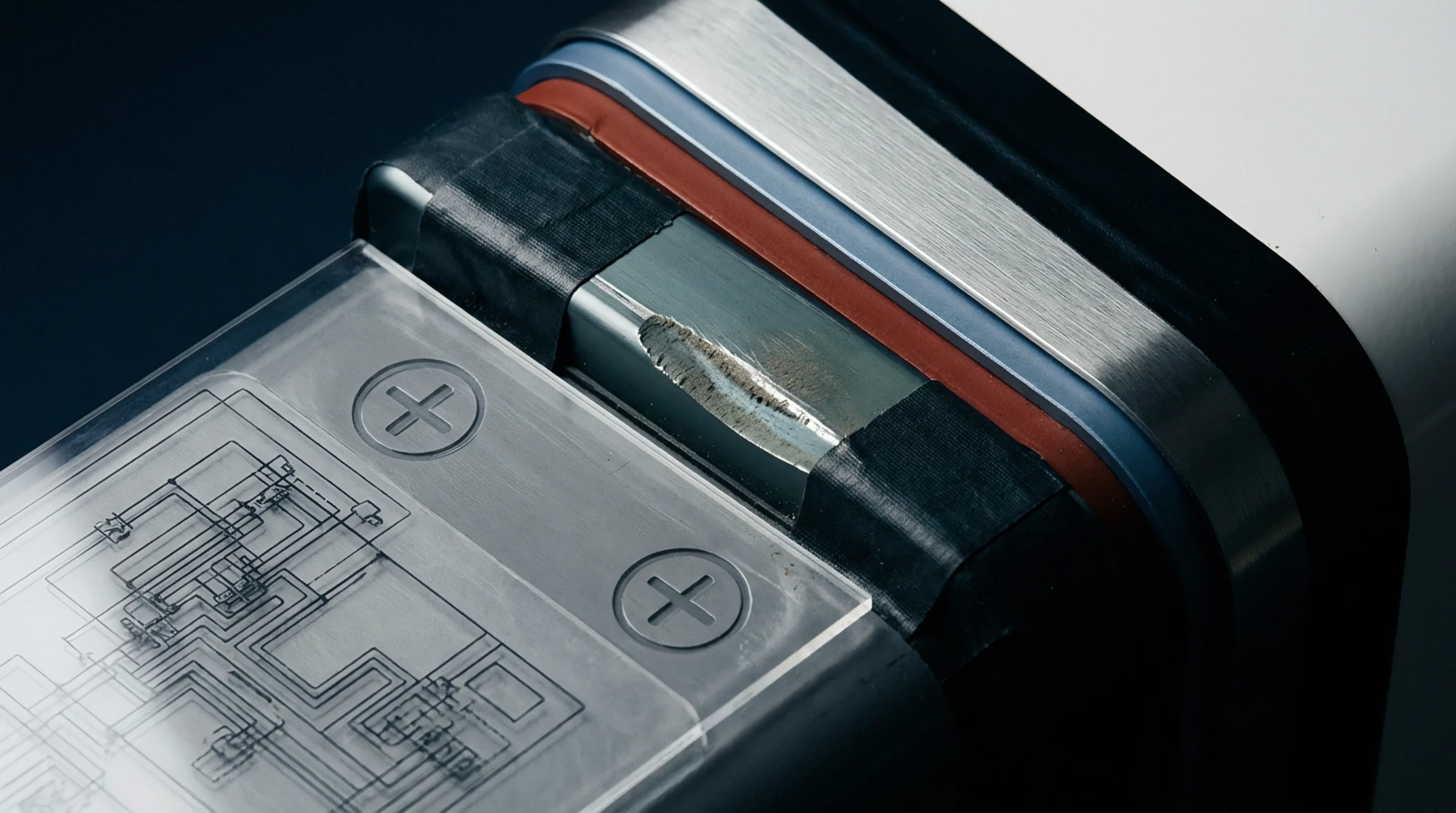
Chemically modified polymer acts as an adhesive agent to bond metal foils to thermoplastic layers. In lithium-ion battery packaging, maleic anhydride polypropylene provides the tie layer that adheres the aluminum foil to the inner polypropylene film. This modification introduces polar groups that chemically bond to the metal surface while remaining compatible with the non-polar polymer.
Metal Adhesion
Carbonyl groups in the maleic anhydride react with the hydroxyl groups on the aluminum oxide surface to form strong chemical bonds. This action ensures that the aluminum laminate film does not delaminate when exposed to mechanical stresses. Sourcing agents verify the concentration of this polymer to guarantee long-term adhesion of the protective layers.
Chemical Resistance
Battery electrolytes contain aggressive organic solvents that can dissolve or swell standard adhesives. The modified polypropylene backbone resists these solvents, preserving the structural bond of the laminate over years of operation. This resistance prevents hydrofluoric acid from attacking the aluminum core, which would otherwise lead to pouch corrosion.
Thermal Processing
Heat sealing activates the polymer layer by melting it under high pressure to form a solid, continuous joint. During assembly, the thermal jaw press must reach the melting point of the modified polymer to ensure a homogeneous weld. The resulting joint secures the battery chemistry from both external moisture and internal solvent loss during thermal cycling.
Achieving this consistent melt flow across the entire sealing area is essential to eliminate micro-gaps that could allow electrolyte vapor to escape the cell.