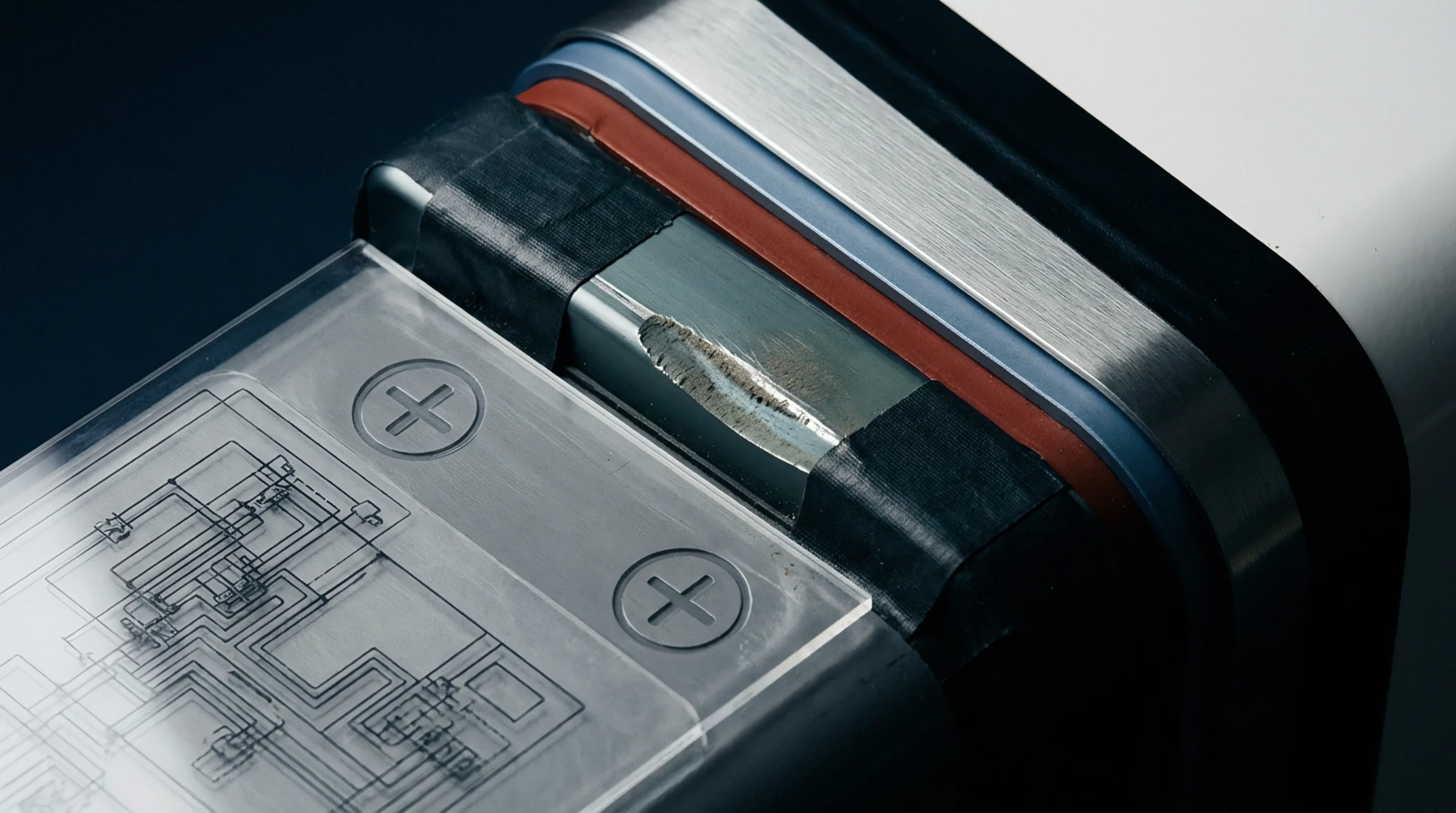
Meaning
Loss of volatile solvents from a battery cell reduces electrochemical performance and shortens operating life. In unsealed or damaged cells, electrolyte evaporation occurs when organic carbonates escape into the atmosphere through micro-leaks or compromised seals. This drying of the active materials leads to a rapid increase in internal resistance.
Performance Impact
Drying of the separator prevents efficient lithium-ion transport between the positive and negative electrodes. The ionic conductivity drops, causing the cell to lose capacity during high-drain operation. This depletion of liquid solvent can also accelerate thermal runaways if the cell is subjected to abusive electrical conditions.
Hermetic Assurance
Sourcing airtight packaging materials is essential to minimize the risk of dry cells over years of field use. Engineers measure the mass loss of cells over extended storage periods under elevated temperatures. A high rate of mass loss indicates that the sealing process is inadequate or the barrier film is compromised.
Seal Integrity
Protecting the cell against this loss requires a continuous thermal seal at the pouch borders. The seal must withstand both high humidity and high internal solvent vapor pressures without allowing any vapor path to form. Over time, even minor seal degradation will allow molecules to migrate outward, slowly draining the cell of its liquid transport medium and rendering the device inoperable.
This outward flow of solvent molecules is driven by the concentration gradient between the internal wet cell and the dry environment outside.