Meaning
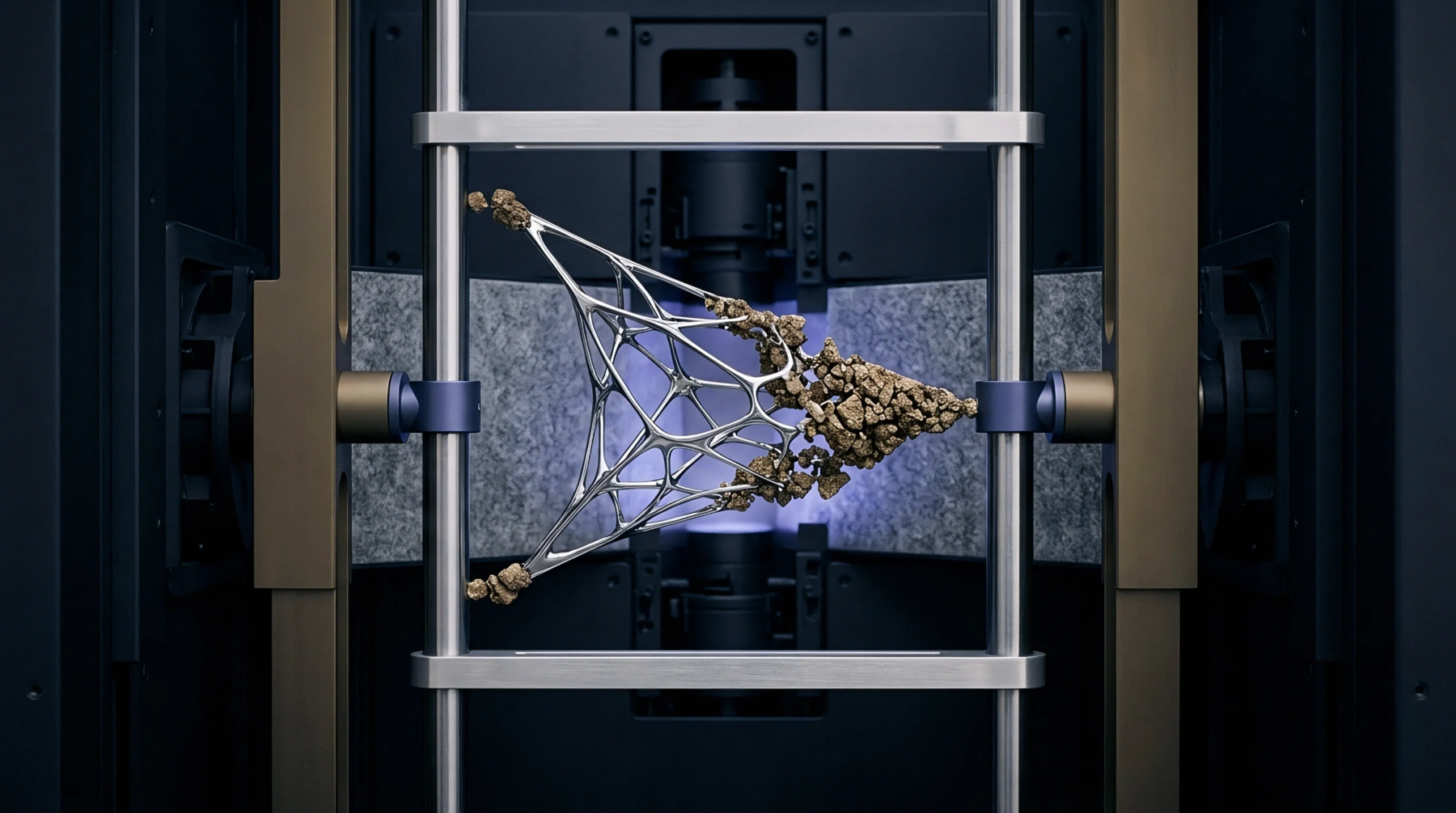
Application of controlled compression or tension to a specimen requires a rigid structural apparatus. Heavy mechanical load frame assemblies provide the rigid support needed to measure battery expansion forces under fixed volumes. It consists of heavy steel columns and crossheads that resist deformation when the cell pushes against them.
By maintaining a constant gap, the frame allows for the study of internal pressure development. The application stops at the mechanical limit of the frame columns.
Structural Rigidity
Structural rigidity ensures that any measured displacement comes from the cell rather than the machine itself. The mechanical load frame must be built with high stiffness to prevent deflection during expansion.
Force Application
Force application is often driven by screw jacks or hydraulic cylinders. These actuators within the mechanical load frame move the crosshead to reach a specific preload before the battery testing begins. Once the cell is constrained, the system holds its position while sensors capture the rising force.
This setup is used to simulate the pressure found inside a tightly packed electric vehicle battery module. Proper alignment of the frame prevents side loading that would damage the cell or the sensors.
Testing Versatility
Testing versatility allows for both static pressure tests and dynamic crush scenarios. A mechanical load frame accommodates different cell sizes through adjustable mounting plates.