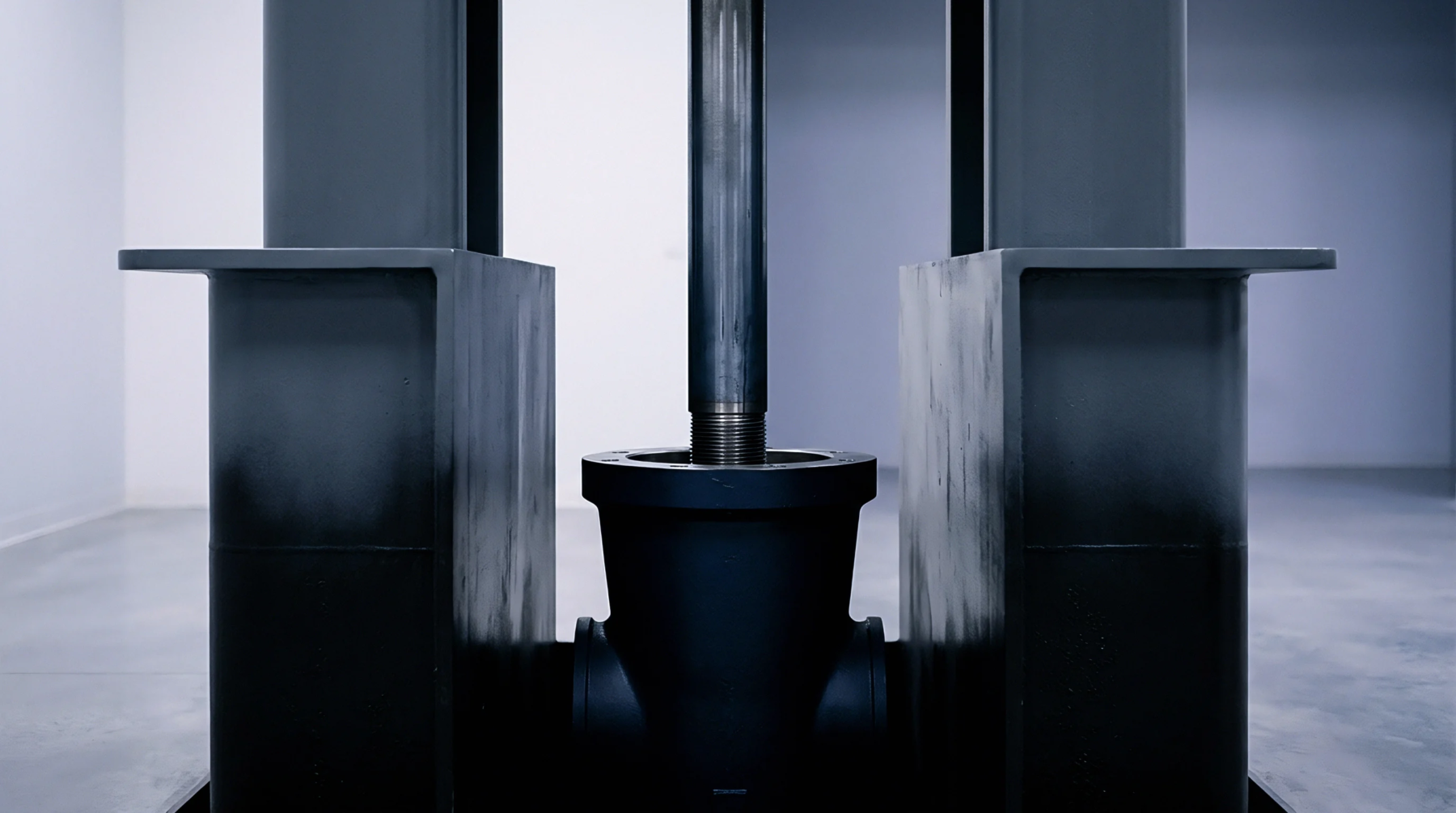
Meaning
Change in the physical dimensions of punches and dies caused by the application of high compressive loads. Even the strongest steel alloys exhibit elastic behavior that can lead to mechanical tooling deflection during the production of dense battery pellets. These small shifts alter the final thickness and density of the pressed components.
Error Magnitude
Displacement scales with the intensity of the force and the length of the tool components. When mechanical tooling deflection occurs, the actual distance between the punch faces is larger than the machine setting indicates. Precision sensors monitor these changes in real time.
Dimensional Tolerance
Variation in the stiffness of the press assembly leads to inconsistent part dimensions. If mechanical tooling deflection is not accounted for in the system calibration, the resulting electrolyte layers may be too thick or have uneven surfaces. Advanced presses use compensation algorithms to adjust the stroke length based on the measured load.
Stiffness Requirement
Rigid support structures are necessary to minimize the bending or compression of the tool set. Increasing the cross sectional area of the punches reduces the mechanical tooling deflection and improves the repeatability of the manufacturing process. Choosing high modulus materials for the tooling prevents excessive elastic loss during high pressure cycles.