Solid State Cell Thermal Compression Tooling Dynamics
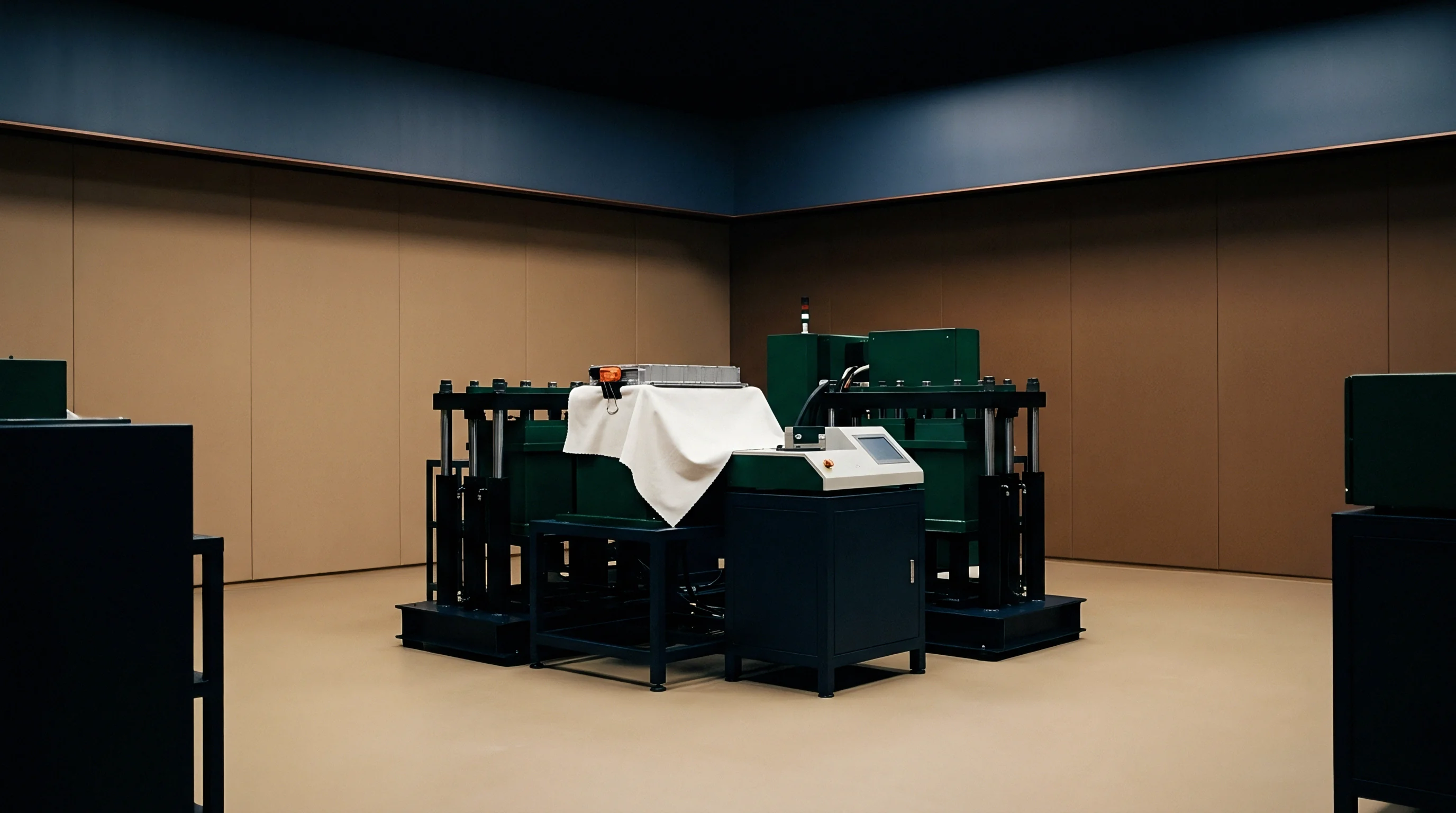
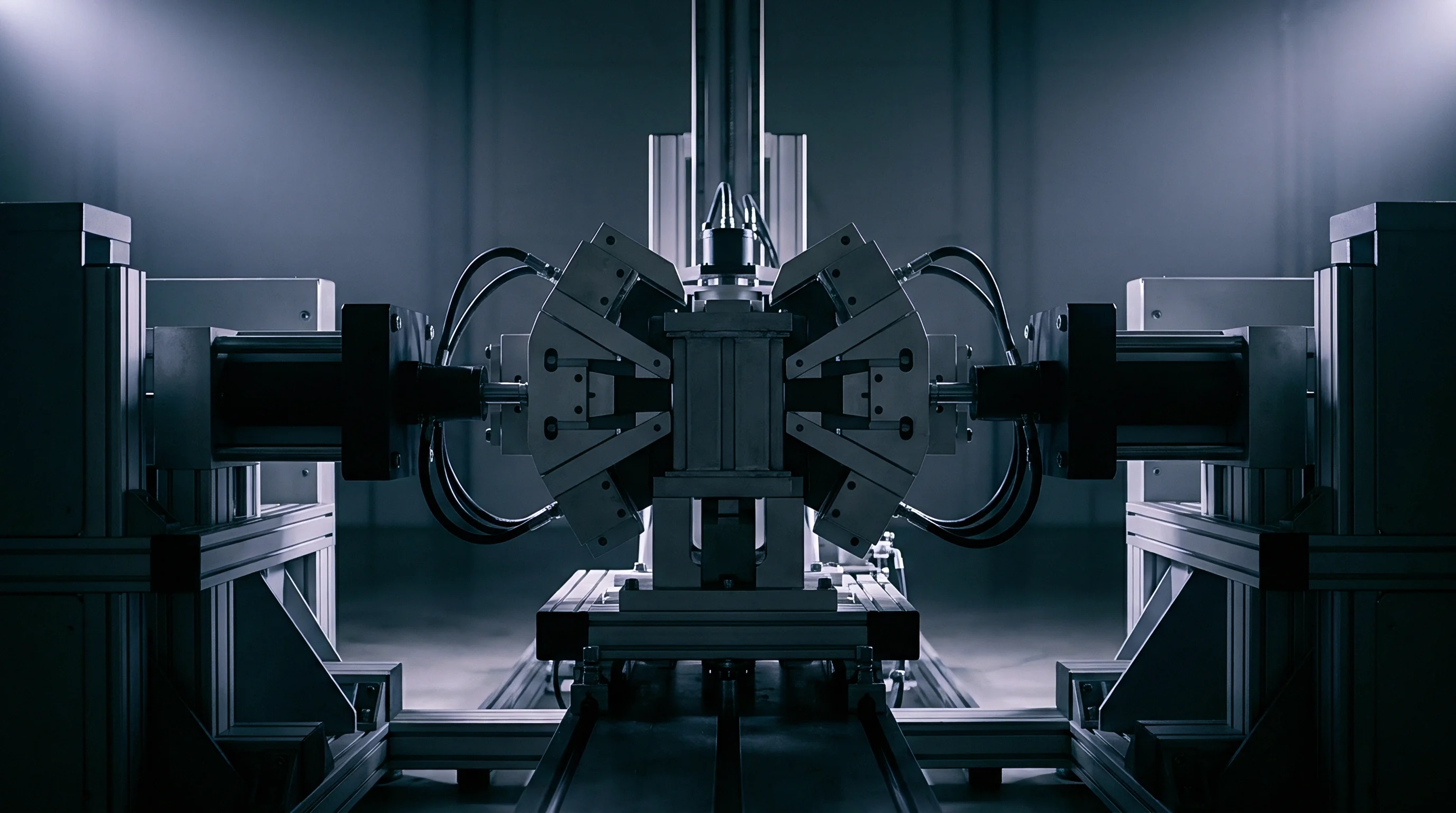
Dynamic thermal compression tooling must maintain active force control within tight limits to compensate for solid-state cell breathing and thermal expansion.
Stack

Solid Electrolyte Interfacial Contact and Dynamic Swelling
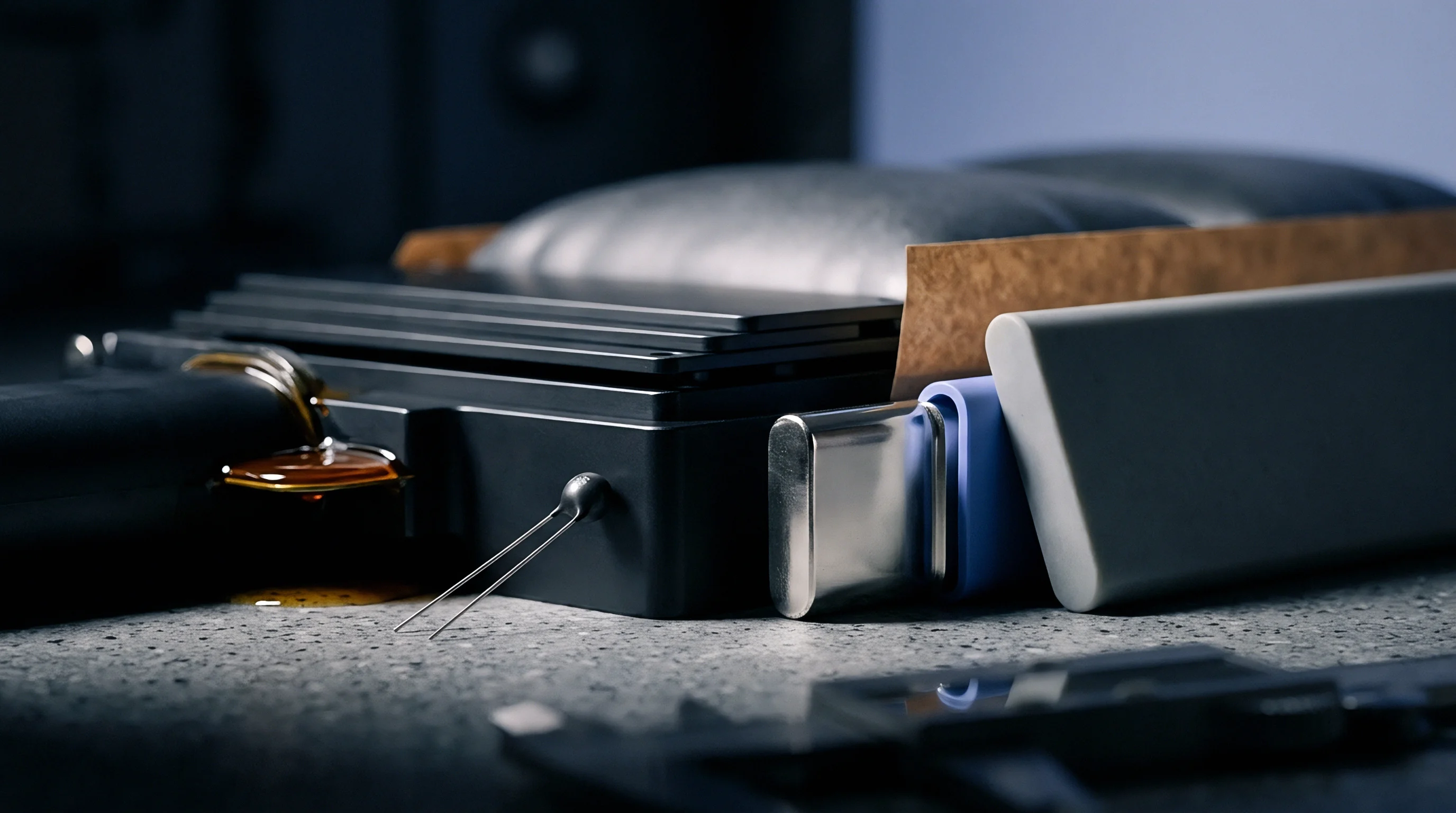
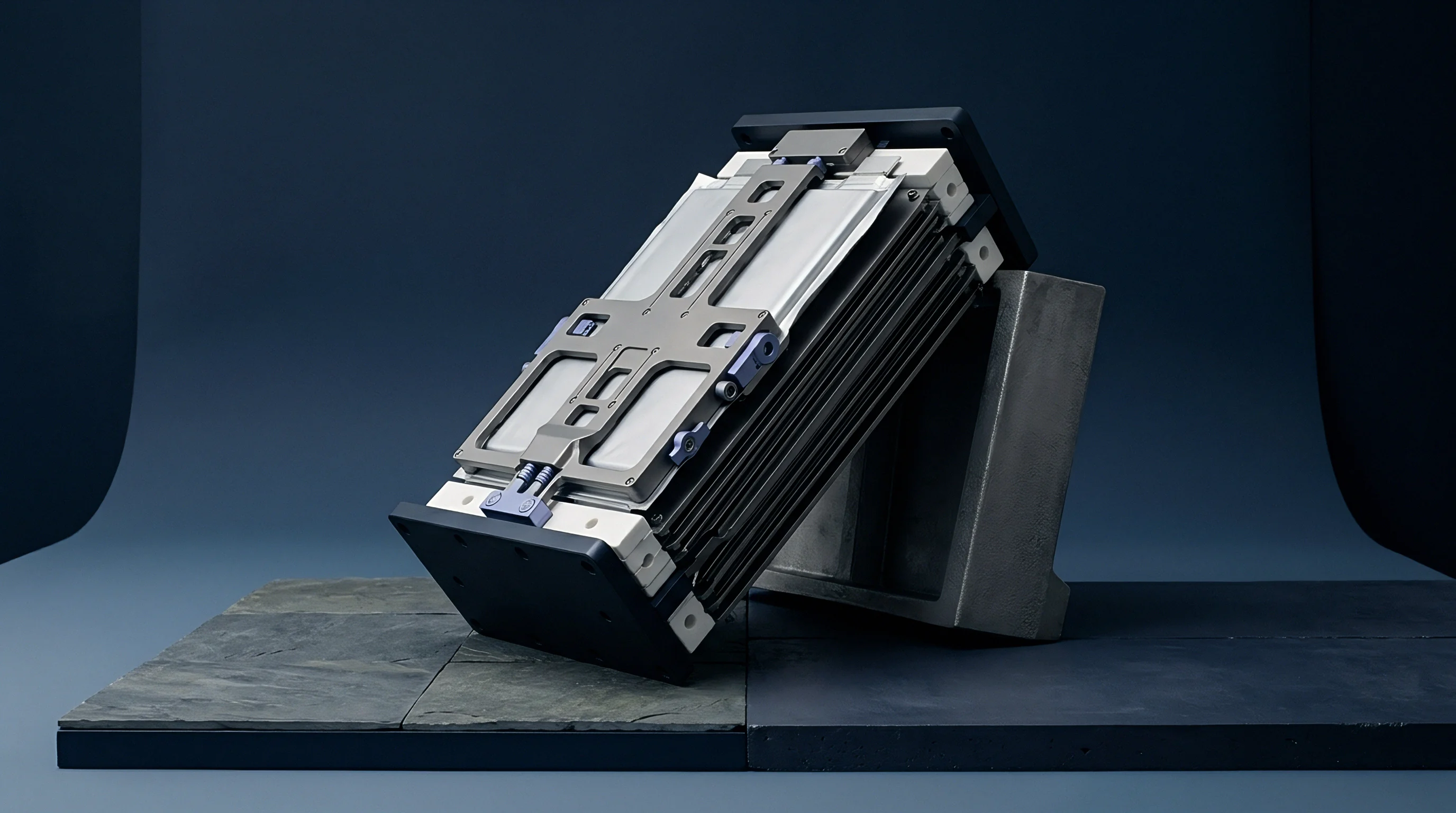
Solid-state cells need continuous mechanical pressure to maintain ionic transport across solid-to-solid interfaces. As lithium metal anodes charge and discharge, lithium atoms strip and plate across the separator boundary, driving ongoing volume changes. Without external force, microscopic voids develop at the interface, pushing up interfacial resistance and triggering localized current density spikes that spur dendrite growth.
Sulfide-based electrolytes common in high-rate cells require sustained compressive stress between 2.0 MPa and 8.0 MPa during operation. Oxide ceramic separators demand much higher assembly pressures during formation ~ often above 15.0 MPa ~ though operating pressure can fall to between 1.0 MPa and 3.0 MPa once contact layers are established.
Cell swelling occurs in two distinct phases: short-term volumetric breathing during single-cycle lithiation, and long-term structural growth as solid electrolyte interphase builds up over hundreds of cycles. Depending on silicon or lithium-metal content, a pouch or prismatic cell expands and contracts between 4 percent and 12 percent in thickness each cycle. Tooling fixtures must accommodate this dimensional movement while maintaining compressive forces within target thresholds, since excessive clamping pressure crushes delicate current collector foils or cracks brittle ceramic membranes, requiring strictly parallel platen surfaces.
Applying uniform mechanical compression prevents interfacial void growth across sulfide electrolyte boundaries operated at 5.0 MPa.
Mechanical tooling designs generally use either passive spring-loaded frames or active pneumatic and hydraulic systems. Passive setups rely on Belleville washer stacks or die springs to absorb dimensional shifts, though load increases as the stack expands according to the spring rate. Active hydraulic and electromechanical systems adjust position dynamically to hold target force constant across full state-of-charge transitions.
This active control is especially critical during thermal conditioning, where platen expansion adds secondary compressive force to the cell.
| Electrolyte Chemistry | Operating Pressure Window (MPa) | Formation Pressure (MPa) | Operating Temperature (°C) | Volumetric Stack Breathing (%) |
|---|---|---|---|---|
| Sulfide (Li10GeP212 class) | 2.0 – 5.0 | 10.0 – 15.0 | 25 – 60 | 5.0 – 8.5 |
| Oxide (LLZO Garnet type) | 1.0 – 3.0 | 20.0 – 50.0 | 60 – 80 | 2.0 – 4.0 |
| Halide (Li3YCl6 class) | 1.5 – 4.0 | 8.0 – 12.0 | 25 – 45 | 4.0 – 7.0 |
| Polymer (PEO-based composite) | 0.5 – 1.5 | 2.0 – 5.0 | 50 – 90 | 8.0 – 12.0 |
Sulfide chemistries require tight hermetic sealing. Tooling designers integrate environmental protection chambers into hot-press assemblies to shield reactive sulfide materials from atmospheric moisture, which generates toxic hydrogen sulfide gas. Internal thermal management circuits balance heat transfer through insulated die blocks so surrounding actuators remain below their thermal limits during high-temperature formation.
Fixtures engineered for ambient laboratory testing routinely fail on high-speed production lines, where aggressive cycle times and thermal loads govern hardware life.
Mechanics
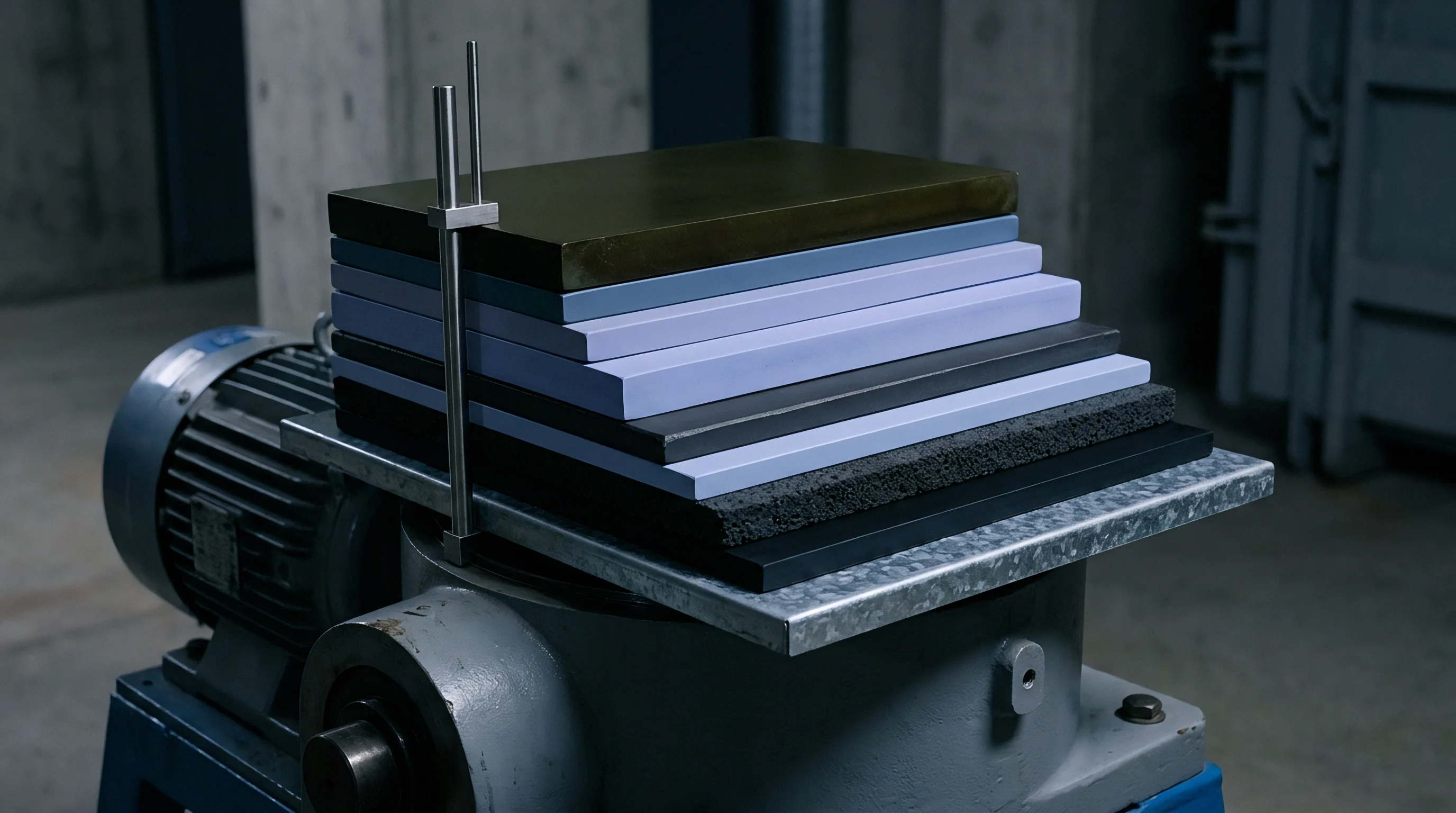
Tooling Stiffness and Thermal Expansion Dynamics
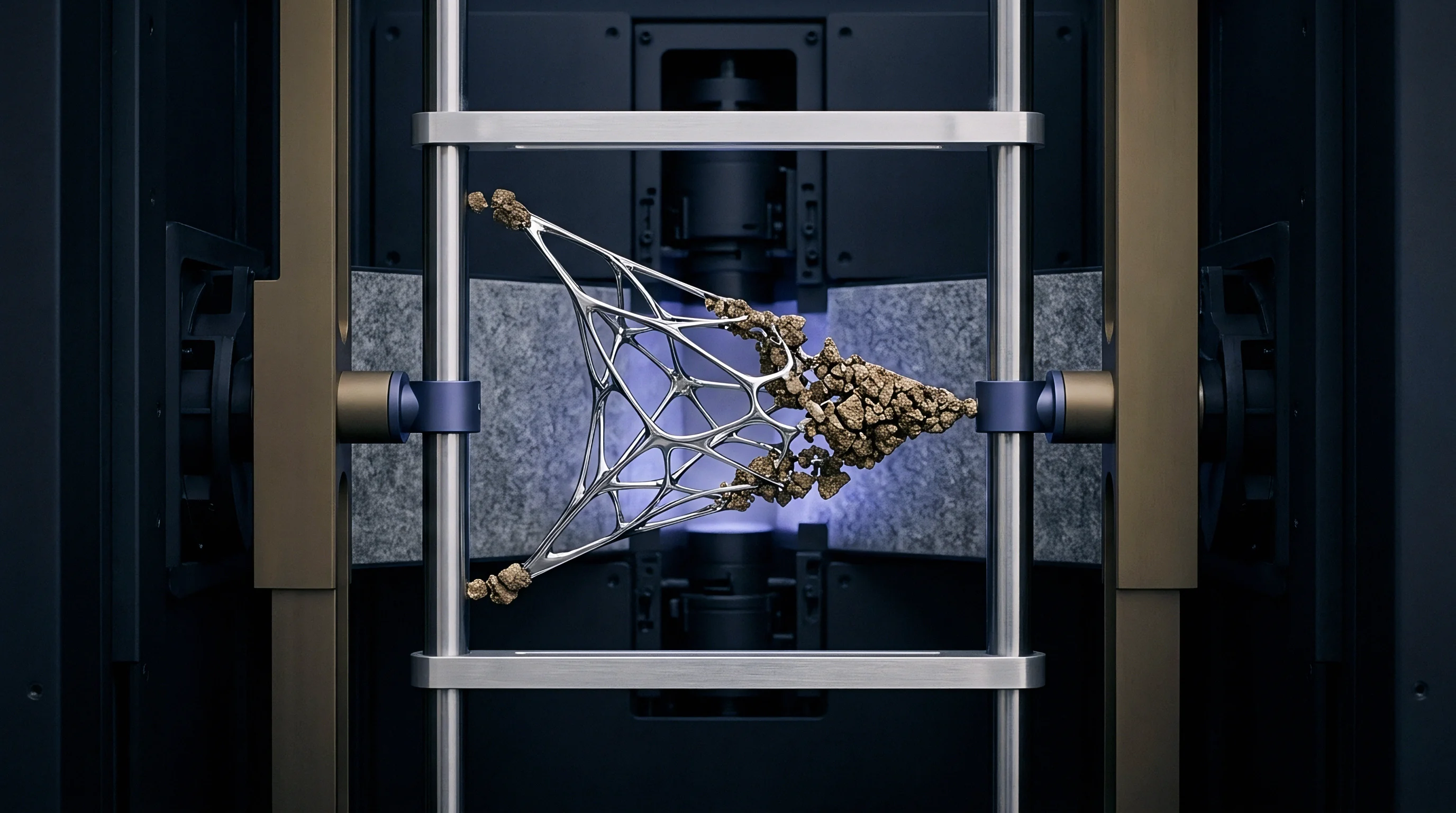
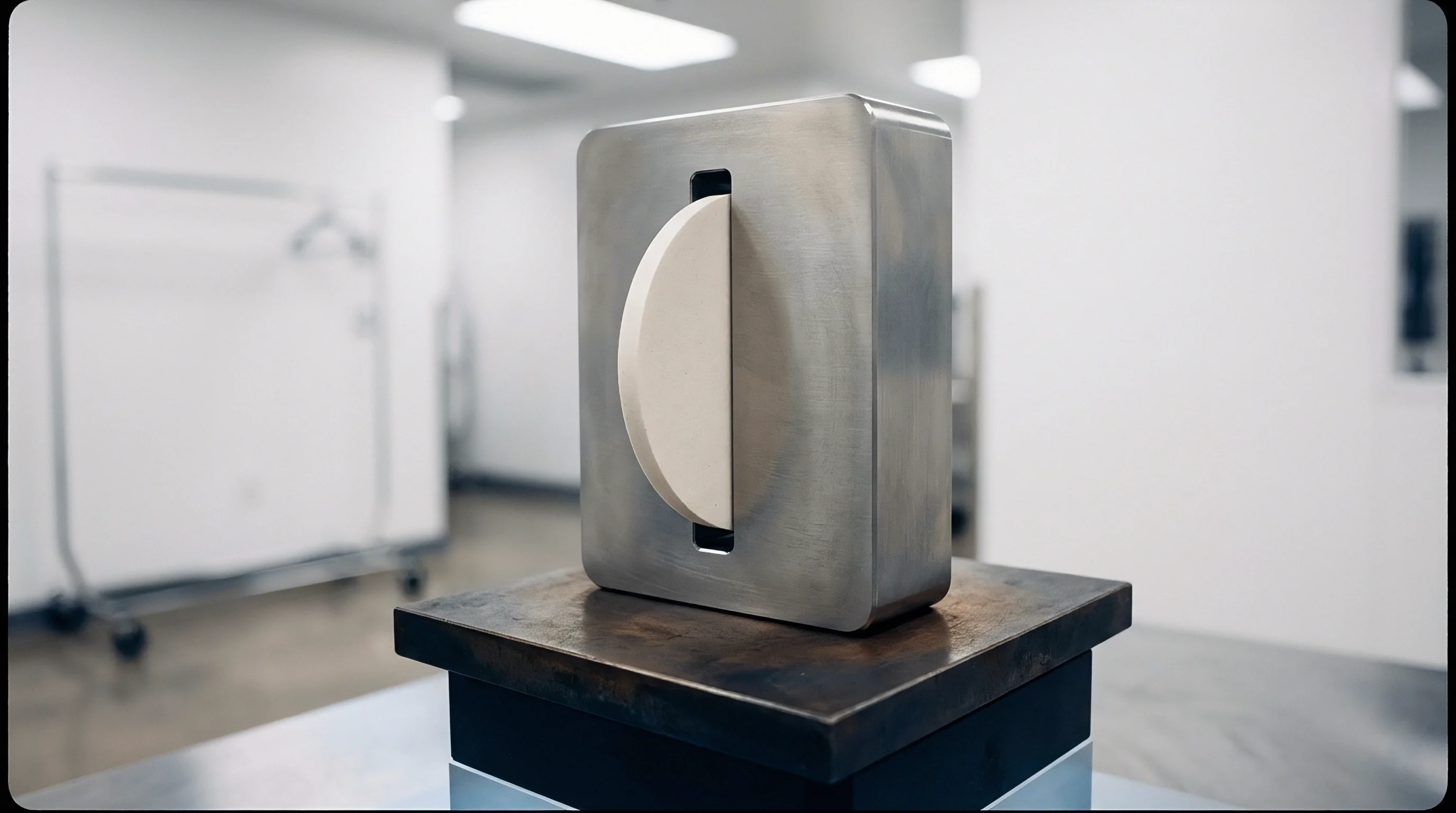
Structural compliance inside compression die sets distributes force unevenly across active cell surface areas. If local lithium plating or internal gas generation creates high spots on an electrode, flexible platens flex outward, reducing central pressure while concentrating force along the edges. Rigid tooling frames address this using cast iron die sets or heavy structural steel weldments designed to minimize deflection under peak loads.
Under a full 10.0 MPa load, platen deflection must stay below 0.01 mm per 100 mm of span.
Thermal expansion mismatches create significant difficulties during heated press cycles. Raising a steel platen from room temperature to 150°C expands the tooling, shifting mechanical clearances, preload forces, and friction along load paths. To manage this, tooling designs combine low-expansion alloys like Invar 36 for precision guide pins with high-thermal-conductivity tool steels for the heated platens.
Linear motion guides have to accommodate steep thermal gradients between heated inner platens and cold outer frames. Guide post clearances require specific expansion allowances; tight fits lead to mechanical binding that locks platens in place and subjects cells to uncontrolled compressive loads during heating ramps.
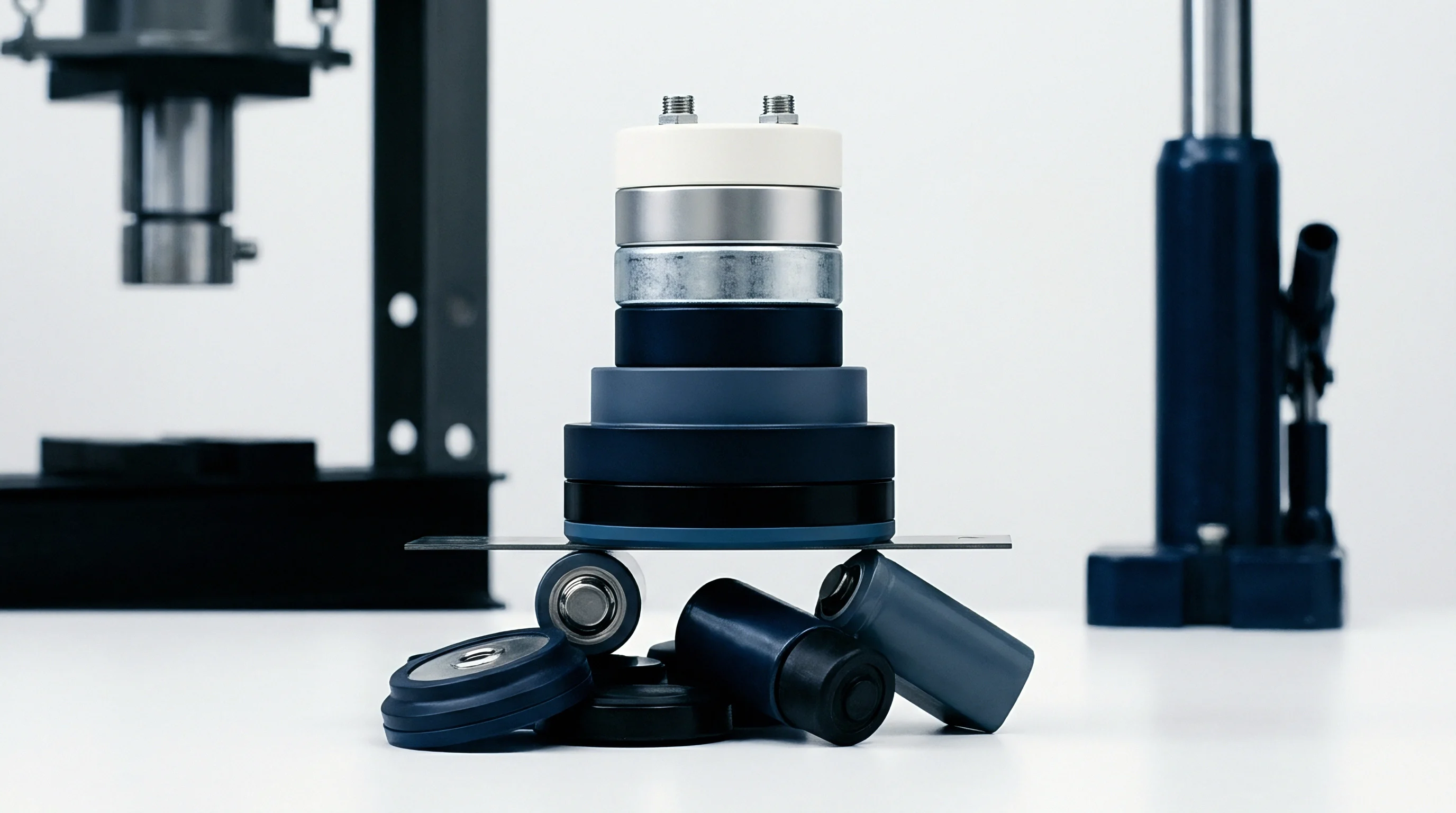
Is Dynamic Pressure Compensation during Thermal Runaway Mitigation Feasible?
Thermal runaway produces intense local heating and rapid gas release, driving sudden pressure spikes against compression platens. High-speed hydraulic relief valves linked to inline force sensors dump system hydraulic pressure within milliseconds once safety thresholds are crossed. Shedding pressure this quickly prevents structural failure of the press enclosure and lets vent gases discharge safely into exhaust filtration systems.
Automated calibration protocols establish baseline load profiles before starting production runs.
- Mount high-precision tactile pressure mapping sensors between upper and lower heating platens.
- Cycle thermal elements from ambient temperature to maximum formation setpoint while recording platen deformation maps.
- Apply incremental mechanical load steps from zero force up to maximum operating pressure rating.
- Record load cell voltage outputs against secondary reference load standards to generate calibration curves.
- Adjust active load control software loop parameters to compensate for measured thermal frame expansion.
Thermal expansion alters stack preload, and platens distort under heavy load to create localized pressure gradients across cell faces that can trigger internal micro-shorts.
Platen
Thermal Uniformity and Contact Resistance Management
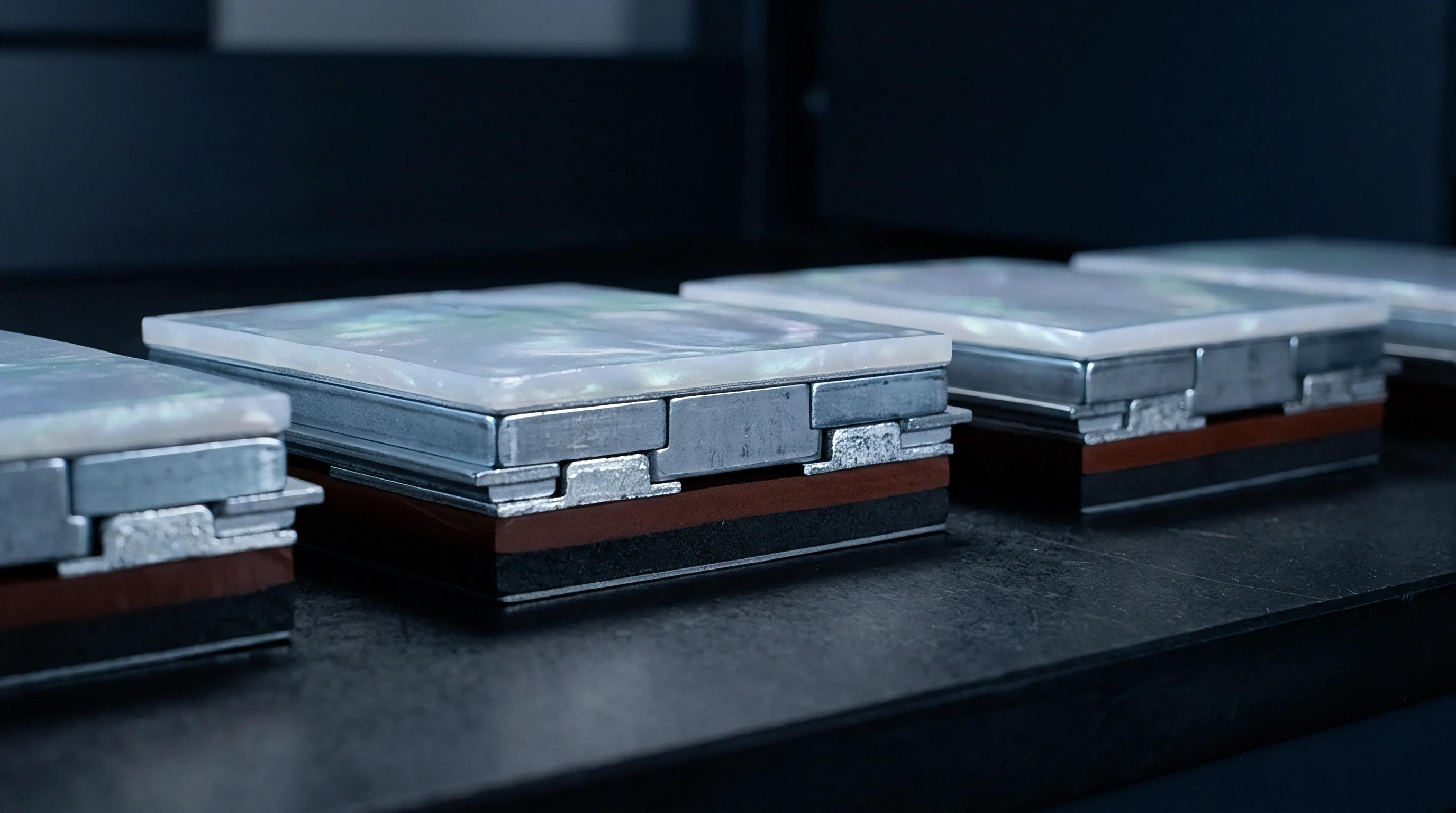
Embedded heating elements control boundary temperatures during formation and curing. Uneven platen temperatures create reaction rate gradients across solid-state cell stacks, causing non-uniform lithium ion diffusion and localized hot spots. Current thermal platens use cartridge heaters arranged in independent control zones or circulate thermal fluid through gun-drilled flow channels.
Across the active pressing area, surface temperature variation must stay within plus or minus 1.5°C at a 120°C setpoint.
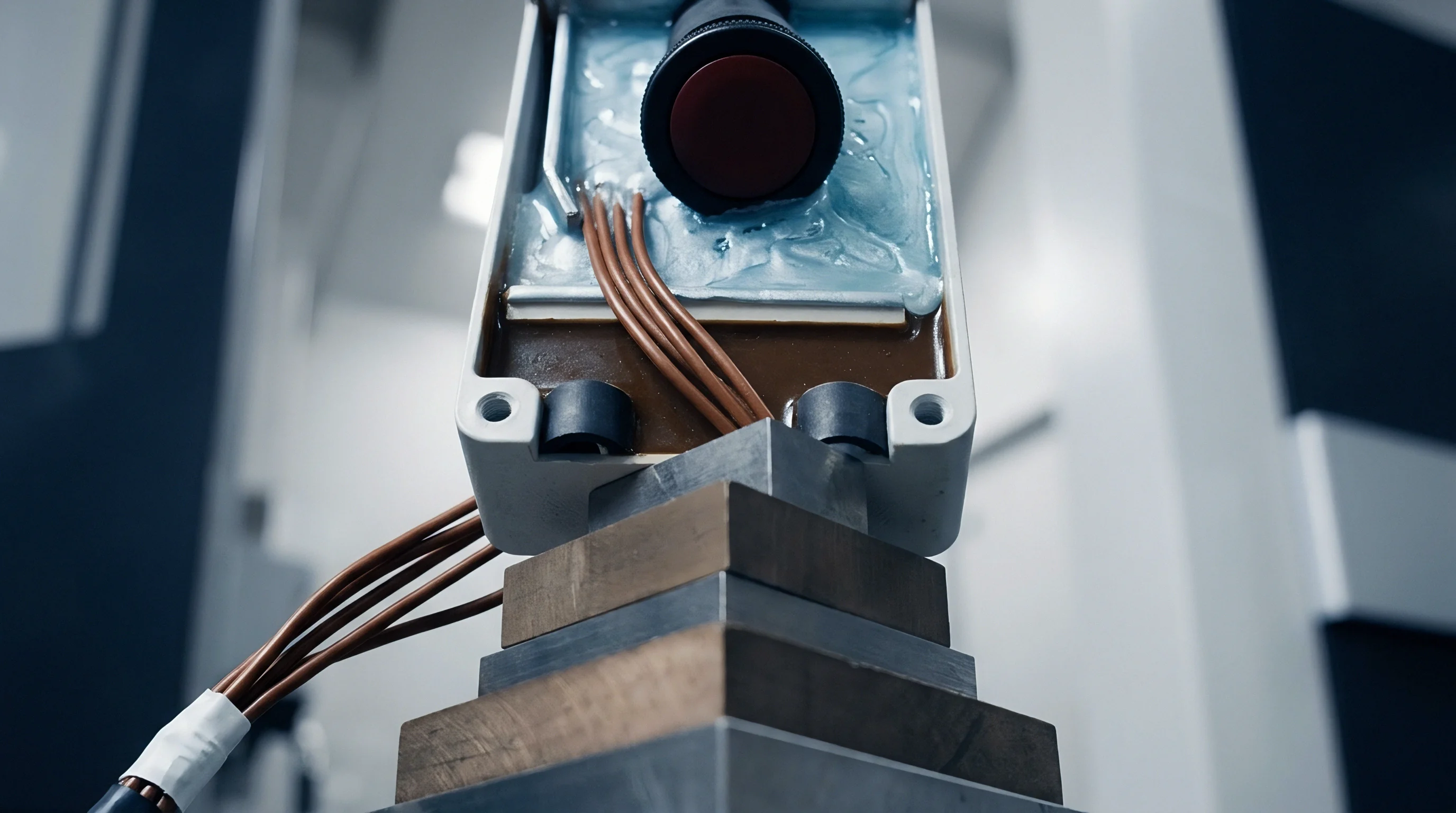
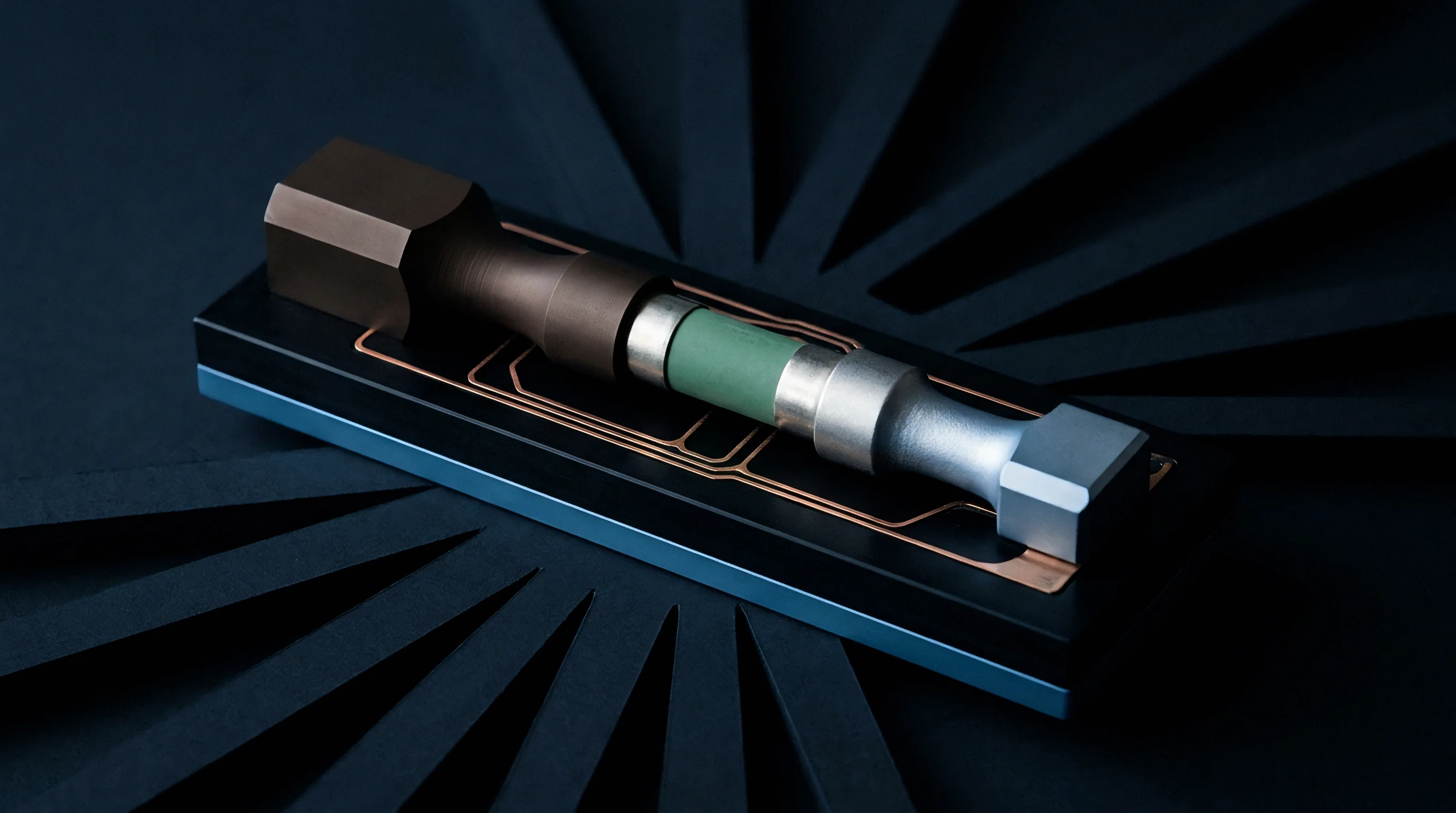
Thermal contact resistance between metal platens and cell casings slows heat transfer. Rough platen surfaces trap tiny air pockets that act as thermal insulation, whereas precision surface grinding below Ra 0.4 micrometers ensures tight contact. Applying conductive ceramic coatings or graphite interface pads to platen faces further lowers resistance while maintaining electrical isolation up to 2.5 kV DC.
Failure to comply with UN 38.3 thermal compression hold times invalidates dangerous goods shipping certification.
Cooling performance is just as critical. Short cycle times demand that platens cool cell stacks from 150°C formation temperatures to 30°C for handling without shocking brittle ceramic separators. Closed-loop cooling channels circulating chilled oil or glycol-water mixtures can drop temperatures faster than 10°C per minute.
| Material Grade | Thermal Conductivity (W/m·K) | Yield Strength at 200°C (MPa) | Thermal Expansion Coefficient (10⁻⁶/K) | Cost Index Multiplier |
|---|---|---|---|---|
| Beryllium Copper C17200 | 105 – 130 | 850 | 17.5 | 3.8 |
| Tool Steel H13 (Hardened) | 28 – 32 | 1250 | 11.8 | 1.0 |
| Silicon Carbide (SiC Matrix) | 120 – 170 | 450 | 4.0 | 6.5 |
| Aluminum 7075-T6 | 130 – 160 | 380 | 23.2 | 0.7 |
Because thermal inertia slows cycle times, insulation plates are mounted between heated platens and the press frame to block stray heat loss. Mineral-bonded mica or high-density glass-fiber composite boards can withstand continuous compressive loads of 50.0 MPa while keeping thermal conductivity under 0.2 W/m·K.
Surface hot spots during testing often stem from room air currents or defective heater cartridge layouts.
Calibrations
Load Cell Selection and Dynamic Force Drift Compensation
Accurate load measurement inside thermal hot-press fixtures requires specialized sensor hardware. Standard strain-gauge sensors suffer zero-point thermal drift as heat migrates from platens into sensor bodies, making isolation spacers, water-cooled mounts, or high-temperature piezoresistive sensors necessary. Piezoelectric sensors deliver high stiffness and sub-millisecond response times, but charge leakage makes them unsuitable for long static holds during multi-hour formation cycles.
Load cell creep undermines control feedback. Sustained pressure over extended formation runs relaxes strain-gauge adhesives, drifting measurements by up to 3 percent over 24 hours. Control systems correct for this drift through scheduled load verification routines or by cross-checking load cell readings against secondary hydraulic line transducers.
Inline pressure profiling relies on tactile matrix sensor arrays to map force distribution across cell faces in real time. Placed inside qualification fixtures, thin-film sensors expose corner pinching, platen tilt, and surface waviness. Sensor survival depends on thermal ratings ~ arrays rated to 200°C enable full-temperature pressure mapping during line setup.
Quality assurance programs rely on systematic tooling verification routines to prevent batch defects.
- Platen Parallelism Check verifies upper and lower press face alignment using dial indicators mounted on four corner posts.
- Thermal Profile Mapping records surface temperature distribution using 16-channel thermocouple grids under operating load.
- Load Cell Recalibration tests force feedback accuracy against primary reference load standards across full working spans.
- Hydraulic Leak Inspection checks high-pressure seals and proportional control valves for pressure drop under static holds.
- Insulation Resistance Verification measures electrical isolation between heated platens and ground frames at 1000 V DC.
Contracts for custom compression presses typically specify that force accuracy must remain within plus or minus 0.5 percent of full scale across the entire 20°C to 180°C operating range.

Yield
Stack Growth Arithmetic and Yield Loss Mechanics
Dimensional creep within cell stacks complicates production yield engineering. Consider a high-capacity cell featuring a 50-layer lithium-metal anode stack with an active surface area of 200 mm by 100 mm (0.02 m² per cell face). At an initial assembly thickness of 10.00 mm, applying a required operating pressure of 4.0 MPa calls for 80 kN of total force across the cell face.
During initial formation, interphase buildup and metallic lithium restructuring expand stack thickness by 0.60 mm under constant force.
In a rigid, non-compliant fixture lacking spring or hydraulic compensation, a 0.60 mm expansion overcompresses internal components. Assuming an effective stack elastic modulus of 1.2 GPa, a constrained strain of 0.06 (0.60 mm expansion relative to the 10.00 mm nominal thickness) spikes internal pressure by an extra 72.0 MPa. That sudden surge crushes porous ceramic separators and causes short circuits that ruin production lots.
Continuous active pressure regulation maintains solid electrolyte interface integrity across 1000 operational charge cycles.
Compliance engineering resolves this pressure buildup. Using Belleville washers in passive fixtures requires matching spring rates to expected cell swelling. To keep pressure rises within 0.5 MPa across a 0.60 mm expansion, fixture stiffness cannot exceed 16.7 kN/mm (calculated from a 10 kN maximum allowable force delta over a 0.60 mm stroke).
Active hydraulic actuators provide tighter control, though they increase overall system complexity.
| Expansion Displacement (mm) | Constrained Stress Rise (MPa) | Passive Belleville Load (kN) | Delivered Cell Pressure (MPa) | Yield Impact Risk |
|---|---|---|---|---|
| 0.10 | 12.0 | 81.7 | 4.08 | Nominal Operating Range |
| 0.25 | 30.0 | 84.2 | 4.21 | Minor Thickness Creep |
| 0.40 | 48.0 | 86.7 | 4.33 | Elevated Separator Stress |
| 0.60 | 72.0 | 90.0 | 4.50 | Maximum Safe Deflection |
| 0.80 | 96.0 | 93.3 | 4.67 | High Risk Separator Rupture |
Production lines monitor several distinct yield failure modes tied to thermal compression parameters.
- Edge Pinching Creep occurs when platens deflect slightly, concentrating excessive compressive load along outer cell perimeter seals.
- Thermal Gradient Cracking arises from rapid heating profiles that generate internal thermal stresses across brittle solid ceramic sheets.
- Spring Relaxation Drift occurs when passive Belleville springs lose temper over repeated thermal cycles, dropping stack preload forces.
- Platen Surface Scuffing damages protective pouch foil films when thermal expansion drives lateral friction across cell surfaces.
Unbalanced platens can crack fragile ceramic electrolytes, while elevated temperatures relax spring packs and degrade sensors over repeated cycles. Clamping geometry also shifts as tooling wears and temperature gradients drive non-uniform swelling across the cell.
How far can designers shrink spring-pack volumes inside tight enclosures before dynamic load control degrades below acceptable limits?
Responsibility
NRE Amortization and Equipment Qualification Seams
Capital expenditure for high-volume thermal compression tooling is a major cost driver in solid-state line construction. Non-recurring engineering (NRE) fees for automated multi-station hot presses run from 450,000 USD for semi-automated pilot setups to over 3,500,000 USD for fully integrated high-takt cells. Amortizing these expenses against production volumes depends on accurate estimates of fixture lifespan, heater cartridge replacement schedules, and calibration downtime.
Procurement contracts must clearly delineate scope boundaries between cell manufacturers, tooling vendors, and assembly integrators. While cell manufacturers define the pressure and temperature profiles needed for formation, tooling vendors remain responsible for press accuracy, safety systems, and platen thermal uniformity. If cell stacks short-circuit during formation, disputes quickly turn on whether material defects or platen misalignment caused the failure.
Factory Acceptance Testing (FAT) and Site Acceptance Testing (SAT) protocols set explicit criteria for equipment handoff. FAT runs at the vendor’s plant require cycling at least 100 dummy test stacks instrumented with tactile pressure arrays and multi-point thermocouples. Passing FAT requires demonstrating temperature uniformity within plus or minus 1.5°C and force control within 1 percent of setpoint across the full stroke range.
- Thermal Uniformity Verification Dossier containing 16-point sensor mapping logs across maximum operational temperature cycles.
- Parallelism and Deflection Certificates proving structural frame alignment under 100 percent nominal pressing load conditions.
- Calibration Trajectory Documentation mapping load cell output voltages to primary standards traceable to national metrology institutes.
- Safety Compliance File verifying machinery Directive compliance, emergency pressure release response times, and interlock operation.
Because data logs govern warranty claims, equipment contracts typically require vendors to supply replacement platens and recalibrated load cells within 48 hours of a verified failure during the first 24 months. Buyers further protect capital outlay by holding back the final 20 percent payment milestone until SAT protocols are completed on the factory floor using live cell materials.