Meaning
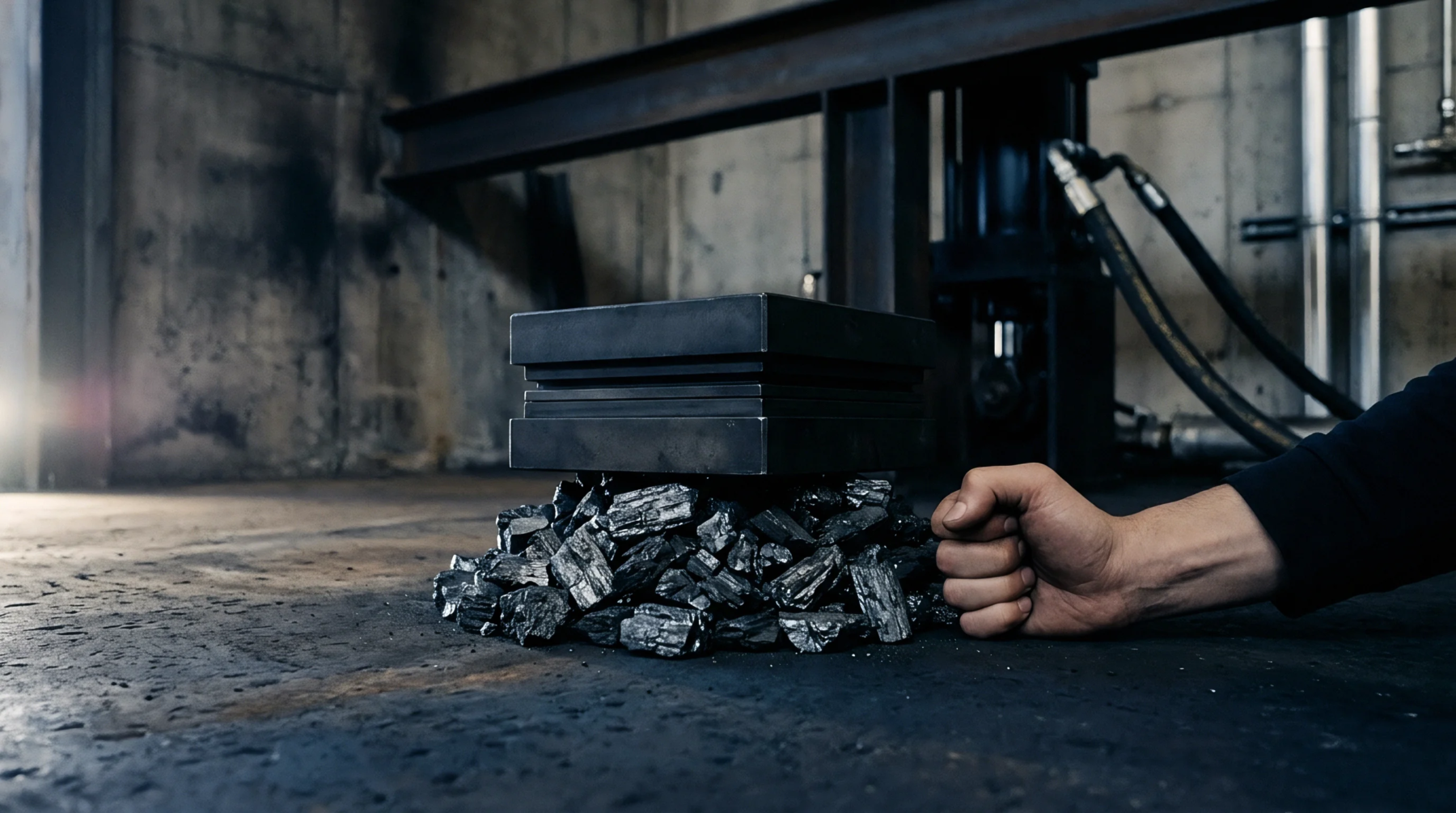
Hard carbon represents an amorphous solid that refuses to convert into a crystalline structure despite exposure to extreme thermal treatment. Manufacturers identify non-graphitizable carbon by its disordered molecular arrangement where small hexagonal planes remain trapped in a randomized orientation. This material structure prevents the layering required for true graphite formation even at temperatures exceeding two thousand degrees Celsius.
Such resistance to structural ordering makes the substance a stable host for alkali ion insertion during battery discharge and charge cycles.
Thermal Stability
High heat treatment fails to force alignment in these carbonaceous particles because the precursor molecules possess a rigid cross-linked geometry. Heat applied to this substance induces limited microscopic reorganization without achieving the long-range order of natural or synthetic graphite. Chemical precursors often include resins or biomass sources that dictate the final internal porosity of the solid.
Engineers monitor this temperature threshold to ensure the particle morphology retains the disordered state necessary for specific electrochemical functions.
Electrochemical Mechanism
Intercalation behavior changes significantly when non-graphitizable carbon replaces standard graphite in a negative electrode. Large alkali ions move into the vacant spaces between disordered sheets with minimal mechanical strain on the surrounding material. Lithium ions migrate into the interior voids and edge sites which provides a distinct voltage plateau during the initial stages of ion uptake.
Higher power density results from this kinetic advantage since the ions face fewer restrictive geometric barriers during rapid movement.
Sourcing Impact
Supply chain logistics for this material depend heavily on the selection of consistent organic feedstocks. Raw materials such as phenolic resins or sucrose provide a reliable structure that avoids the metallic contaminants common in natural mined variants. Batch consistency relies on strict control over the pyrolysis atmosphere and heating duration in industrial furnaces.
Consistent performance across various operating temperatures demonstrates why this material remains a primary selection for low-temperature applications.