Meaning
Chemical process describing the increase in oxygen content within a metal powder during handling or thermal processing impacts the final material quality. Effective management of oxygen pickup is necessary for titanium or aluminum alloys where oxide layers prevent proper sintering and reduce the mechanical integrity of the parts. Oxygen can be absorbed from the atmosphere during the atomization process, during storage in non airtight containers, or while the powder is being recycled in an additive manufacturing machine.
The resulting oxide films on the surface of the particles act as barriers to diffusion and can lead to lack of fusion defects. High levels of internal oxygen also cause embrittlement of the metal matrix by occupying interstitial sites in the crystal lattice.
Surface Reaction
Formation of an oxide layer happens almost instantly when a fresh metal surface is exposed to even trace amounts of air or moisture. For many metal powders, the oxygen pickup is concentrated on the exterior of the particles where it forms a stable ceramic like shell. This layer is often very thin but can be difficult to remove once it has formed.
During sintering, these oxides must be broken down or dissolved into the bulk metal to allow for proper bonding between the grains. If the oxide layer is too thick, the particles will not fuse correctly, leaving the final part with low strength and poor ductility. The total surface area of the powder significantly influences the amount of oxygen that can be absorbed.
Contamination Risk
Handling procedures for high purity metallic powders must be designed to minimize the time the material spends in contact with the air. In an industrial setting, oxygen pickup is monitored at every stage of the production cycle from the initial atomization to the final packaging. If a powder is reused multiple times in a laser powder bed fusion system, the cumulative exposure to residual oxygen in the build chamber can push the levels beyond the allowable limits.
This is why many high end manufacturing processes require the use of inert gas shielding and vacuum sealed storage. Regular testing using inert gas fusion is the standard method for verifying that the oxygen content remains within the target specification for the alloy.
Storage Strategy
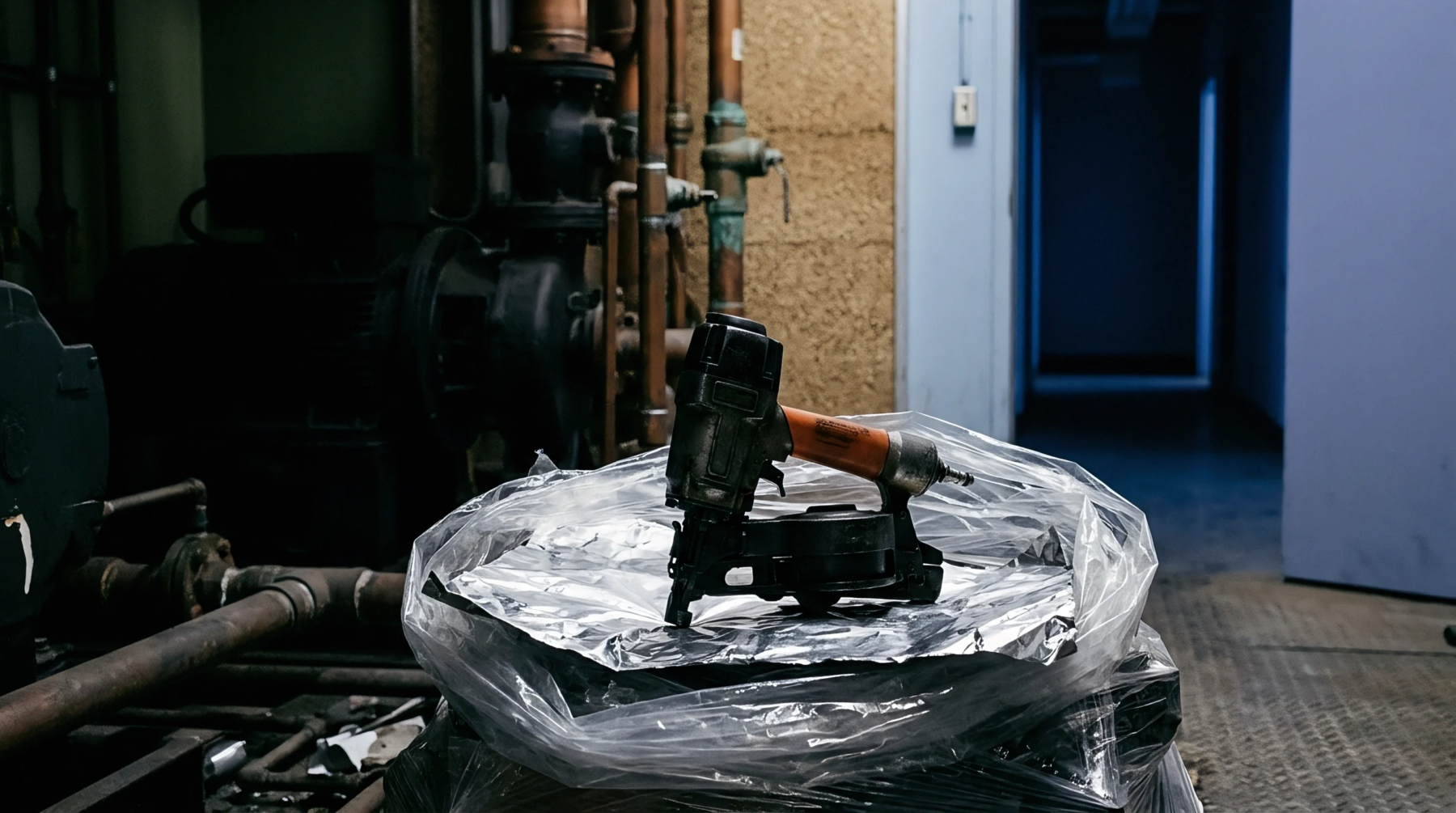
Maintaining the purity of the material over long periods requires specialized packaging and environmental control in the warehouse. Aluminum foil bags or stainless steel canisters filled with an inert gas like argon are commonly used to prevent oxygen pickup during transit. Desiccants are often included to absorb any moisture that could lead to further oxidation or the absorption of hydrogen.
Temperature control is also useful because the rate of chemical reactions generally increases as the environment becomes warmer. For the most sensitive materials, powders are stored in glove boxes where the atmosphere is strictly maintained at very low oxygen levels. These precautions ensure that the expensive raw material retains its value and remains fit for use in critical aerospace or medical applications.