
Supersonic Gas Nozzle Pressure Ratio Optimization in Powder Metallurgy
Maintaining nozzle pressure ratio within supersonic design boundaries guarantees negative tip aspiration, eliminating melt reflux and maximizing fine powder yield.
Maintaining nozzle pressure ratio within supersonic design boundaries guarantees negative tip aspiration, eliminating melt reflux and maximizing fine powder yield.

Dynamic orifice compensation stabilizes supersonic argon flow to preserve fine metal powder yield across high temperature atomization runs.

Dynamic regulation of gas supply pressure preserves aspiration differential at close-coupled nozzles, eliminating melt freeze-off and controlling powder size.

Precision calibration of argon mass flow and trace purity controls particle size distribution and prevents interstitial oxide formation in atomized powders.
Entrapped argon voids in vacuum gas atomized powder cause thermally induced porosity during thermal processing, requiring tight argon specifications under 0.5 ppm.

Gas atomization parameters and nozzle delivery pressures dictate argon entrapment levels, governing melt superheat control and inert gas mass monitoring.

Specific gas consumption and nozzle tip pressure determine liquid breakup efficiency and final yield in tool steel atomization.
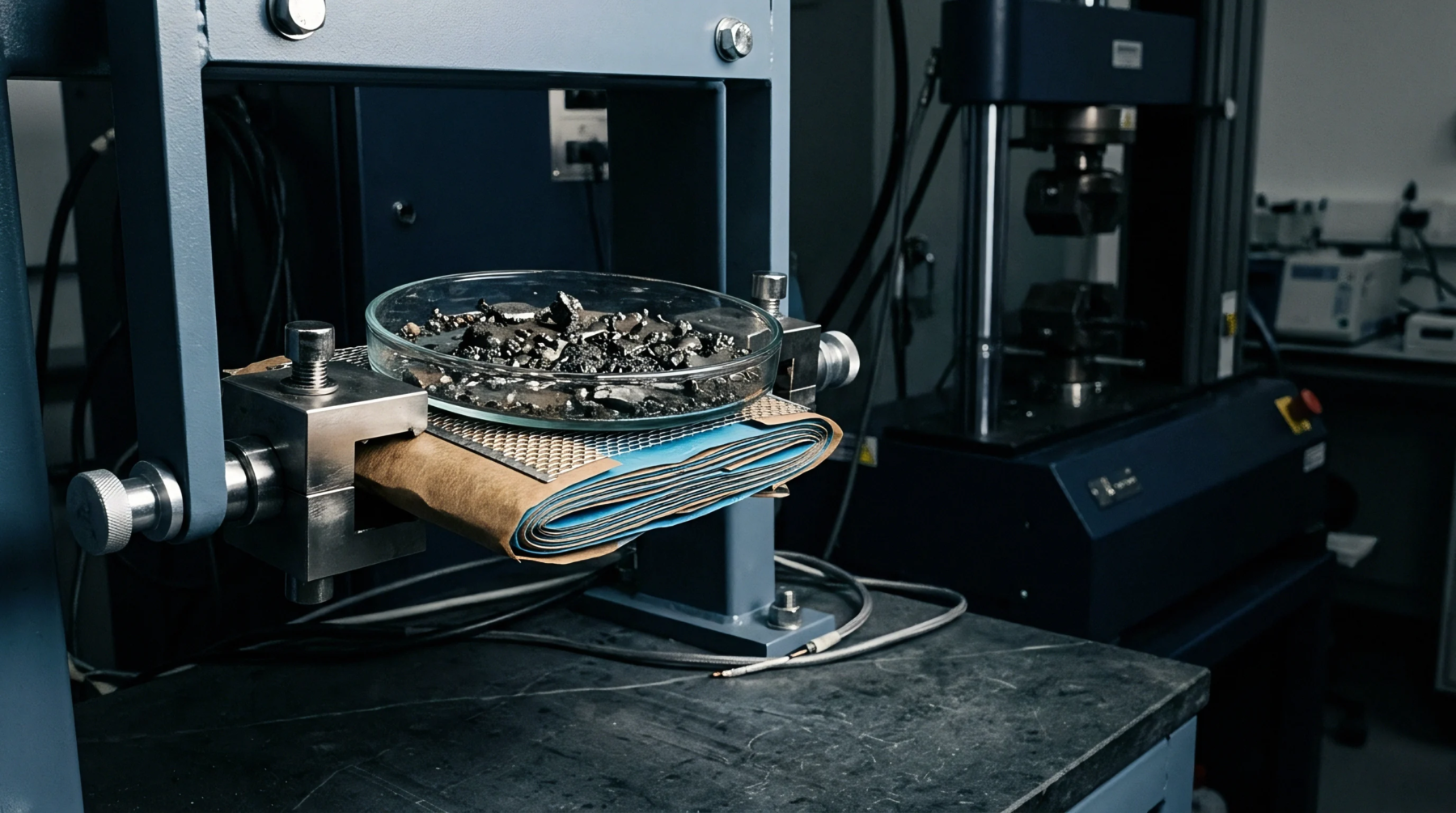
Increasing gas to metal mass ratio decreases median particle size in tool steel powder, shifting mass yield into fine powder fractions at higher argon expense.

Transient modeling of shock boundary layer dynamics predicts nozzle aspiration stability and droplet breakup by coupling compressible flow with reaction kinetics.
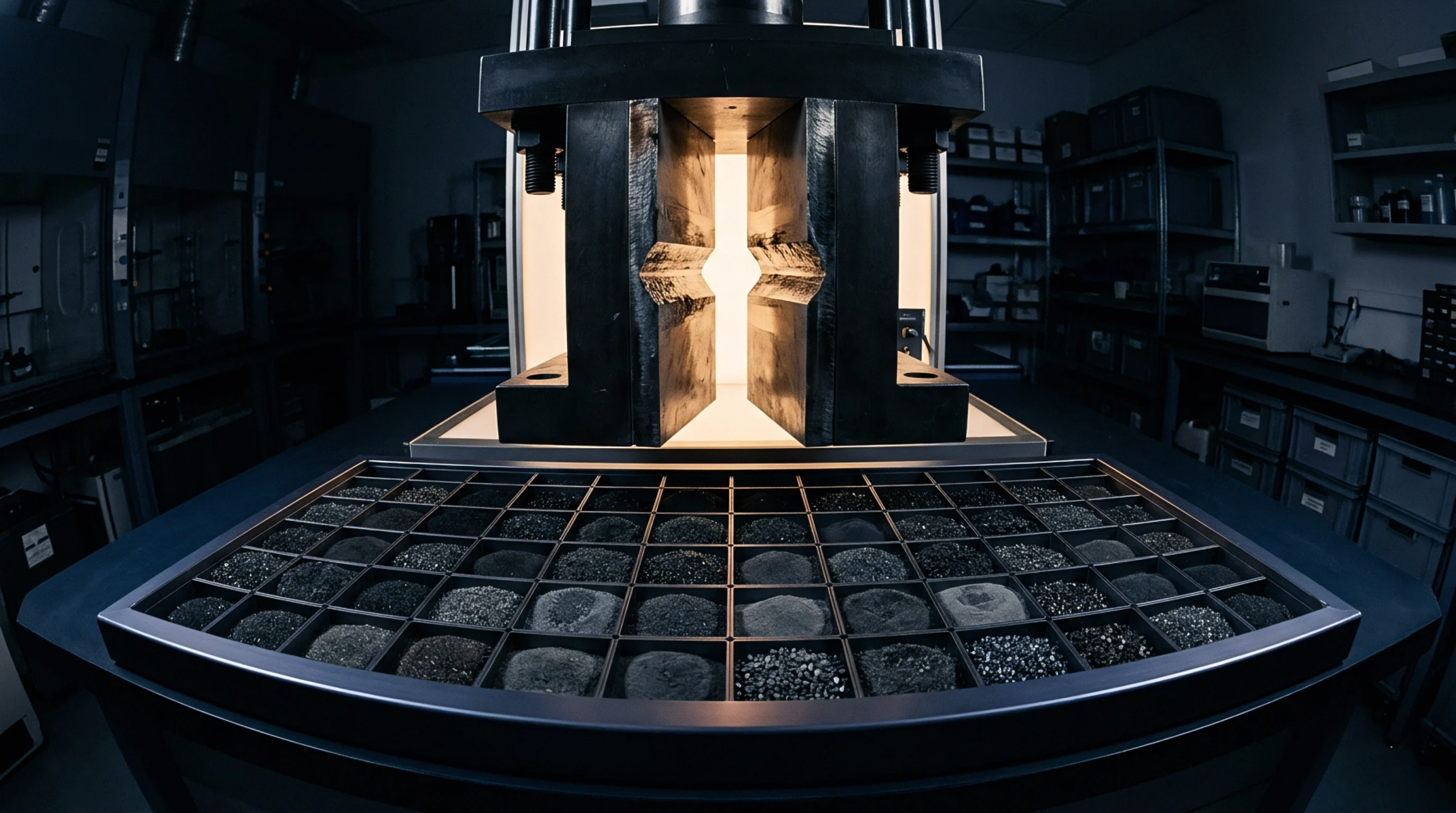
Melt superheat, gas-to-metal ratio, and aspiration pressure dictate particle size distribution, cooling rate, and oxide pickup in tool steel powder production.
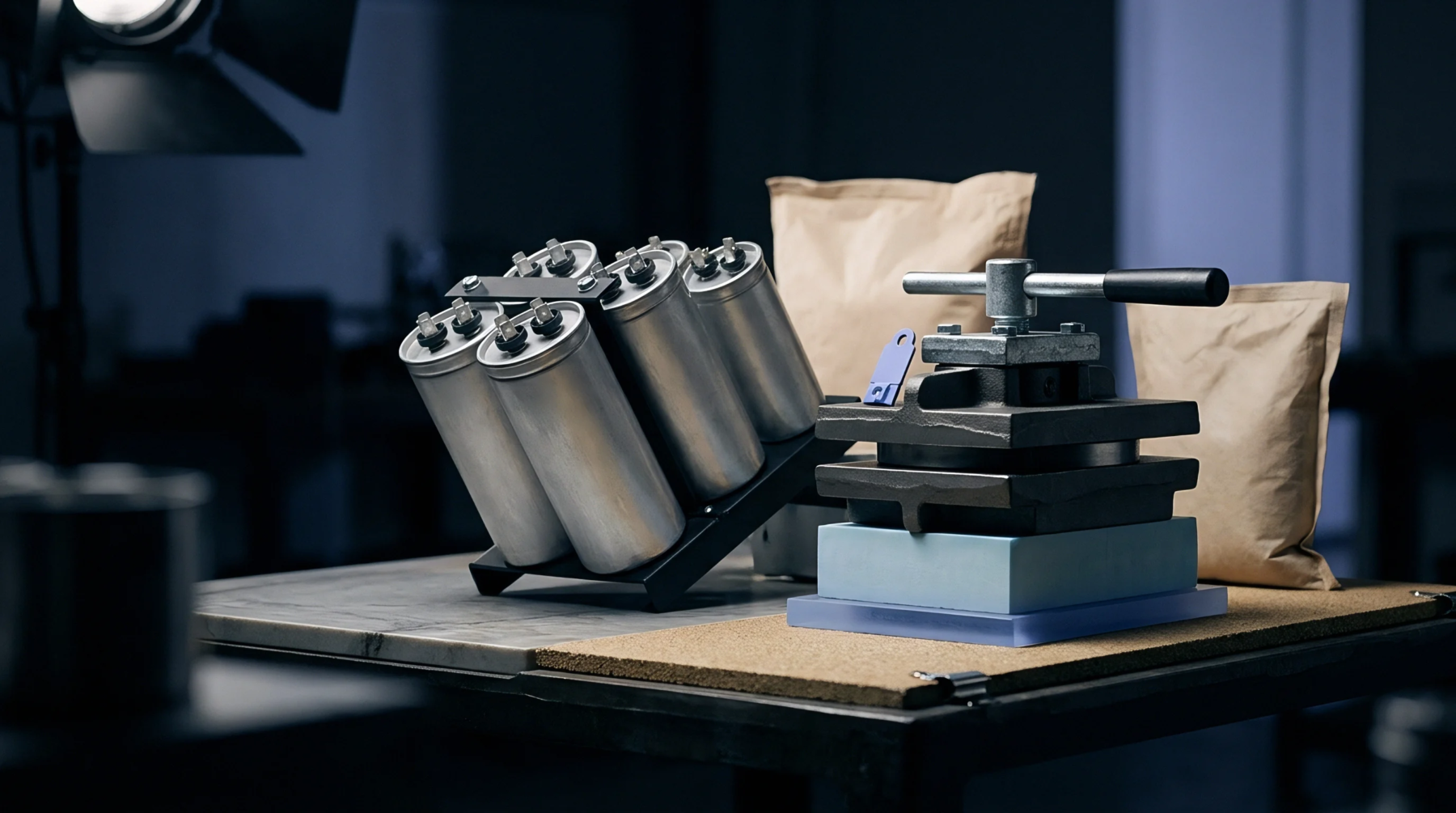
Optimize gas-to-metal ratios between 2.8 and 4.2 under controlled aspiration pressure to maximize tool steel powder yields and suppress internal gas entrapped porosity.

Gas atomization of high alloy tool steel requires matching gas-to-melt ratios and superheat to restrict internal argon void volume under 0.05 percent.
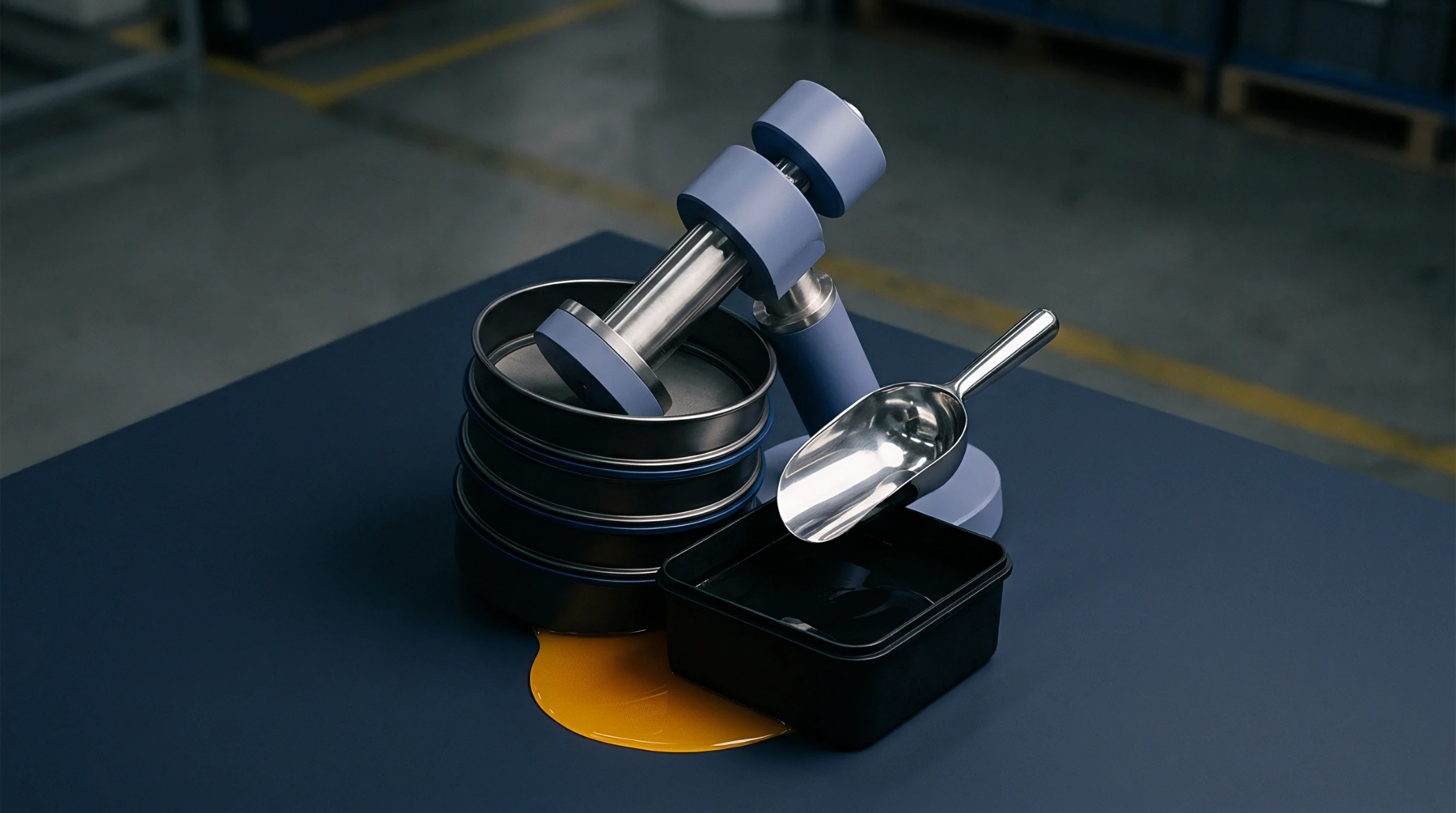
Inert gas atomization of tool steels requires precise superheat control, supersonic argon nozzles, and closed-loop gas recycling to yield dense spherical powders.
Gas atomization of tool steel powders requires maintaining melt superheat at 150°C above liquidus and gas-to-metal ratio between 1.8 and 2.5 to optimize yield.

Optimizing tundish superheat, gas-to-metal ratio, and cooling rates ensures uniform fine carbide distribution and eliminates thermal segregation in PM tool steel powder.
Expertise is a utility, not a secret. sentiention™ publishes its working knowledge as open reference: intelligence layer covering the materials it sources, the markets it enters, and the reference that serves both.