
Fundamentals of Thermal Shock Mitigation in High-Pressure Die Casting Tooling
Mitigating thermal shock in die casting tooling demands high thermal conductivity steel, conformal cooling, and strict spray delta-T control.
Mitigating thermal shock in die casting tooling demands high thermal conductivity steel, conformal cooling, and strict spray delta-T control.

Interfacial shear peaks at prism bond edges relax through polymer creep, but cyclic swelling drives progressive fatigue delamination without perimeter relief.
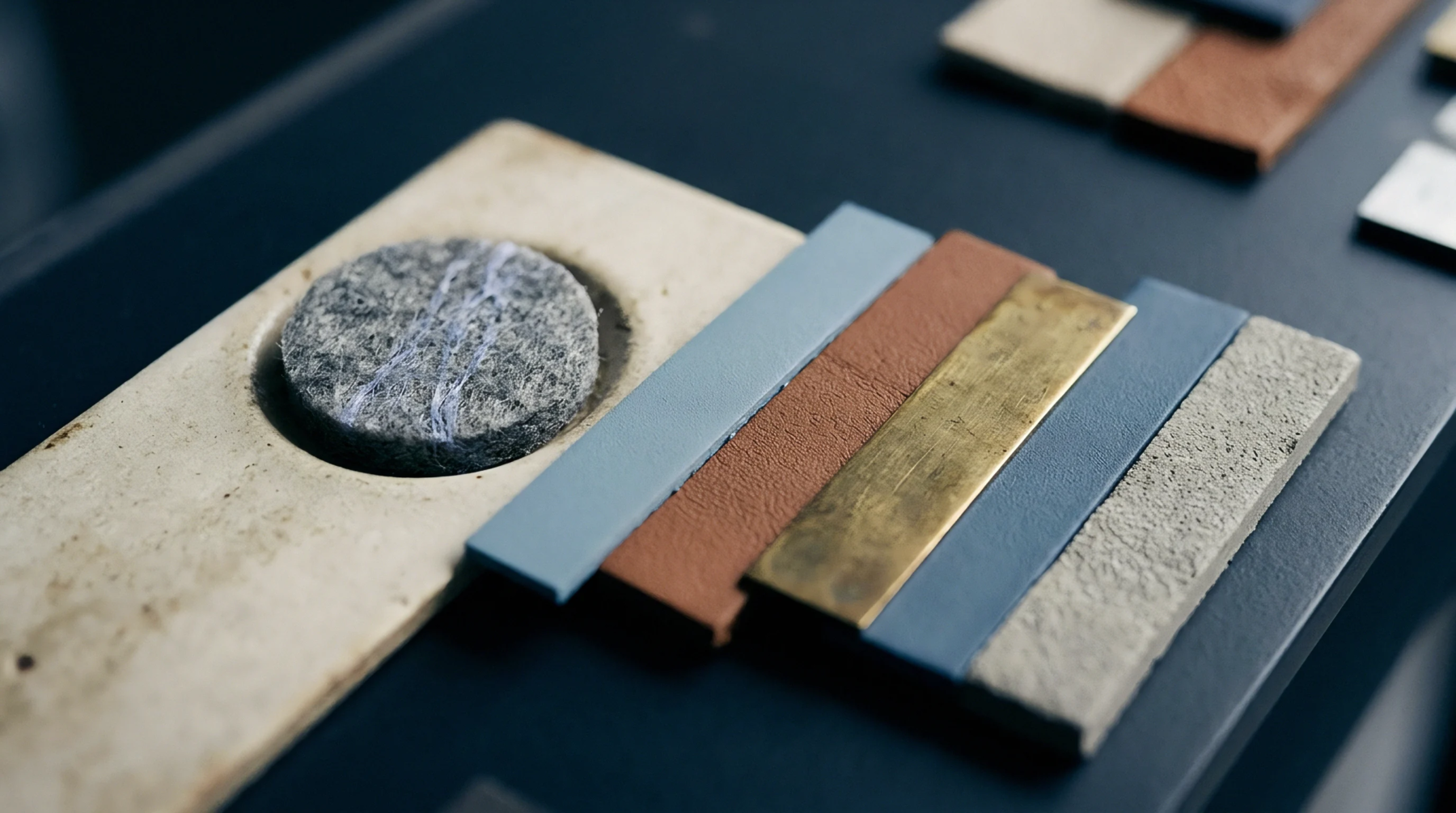
Matching material compliance to prismatic swell while controlling bond line thickness dictates thermal impedance, voltage isolation, and pack yield.
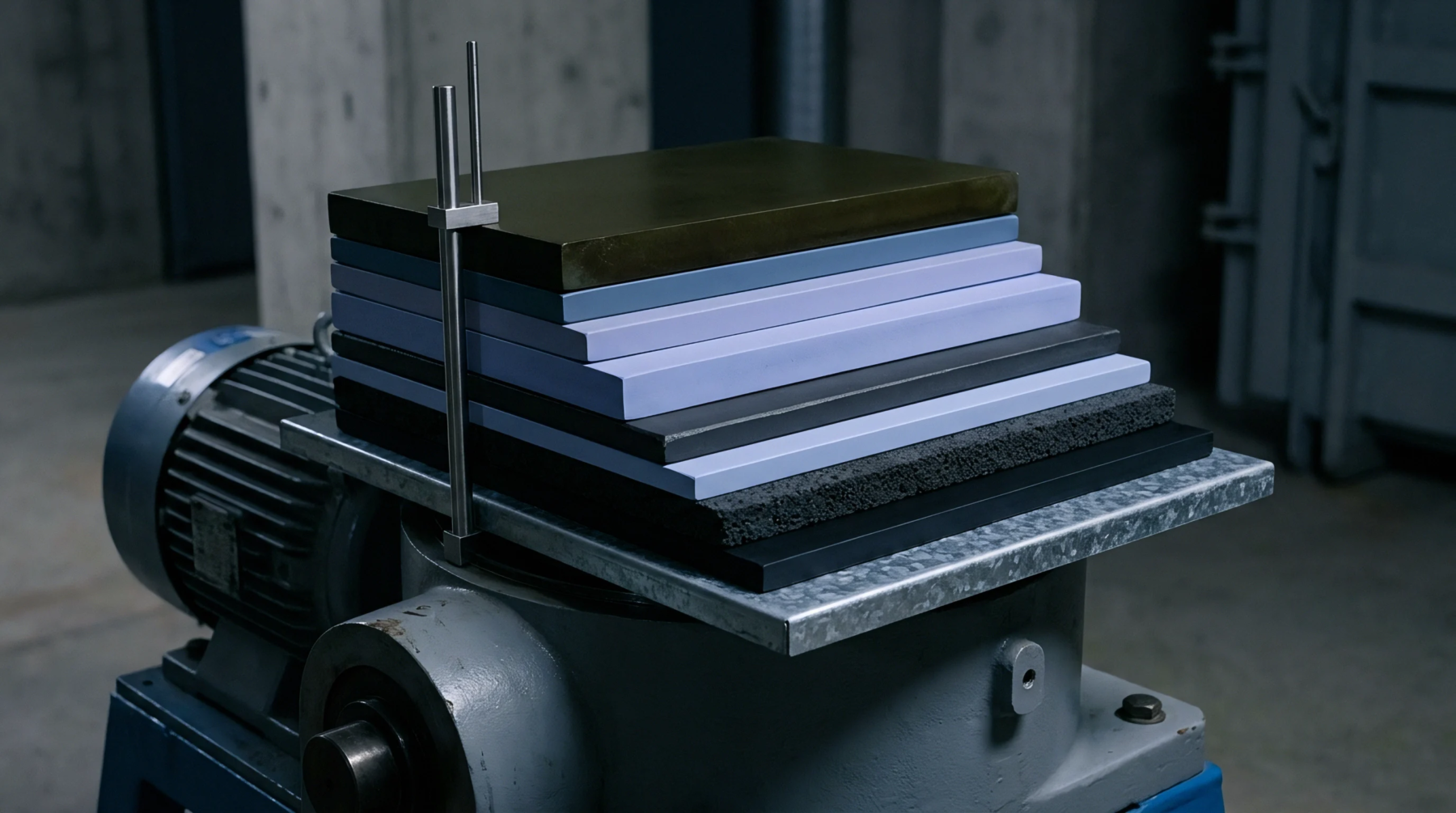
Quantifying interface thickness variances across pack thermal layers prevents localized hot spots, cell degradation splits, and unallocated warranty exposure.

Optimal prismatic module thermal interface selection balances bulk conductivity against rheology and compliance to accommodate swelling without dielectric rupture.

Low-cycle strain life fatigue calculations govern high conductivity aluminum insert durability under rapid injection thermal shocks.

Low temperature battery testing requires rigorous cold soak protocols, four-wire Kelvin sensing, and impedance analysis to ground supplier performance claims.
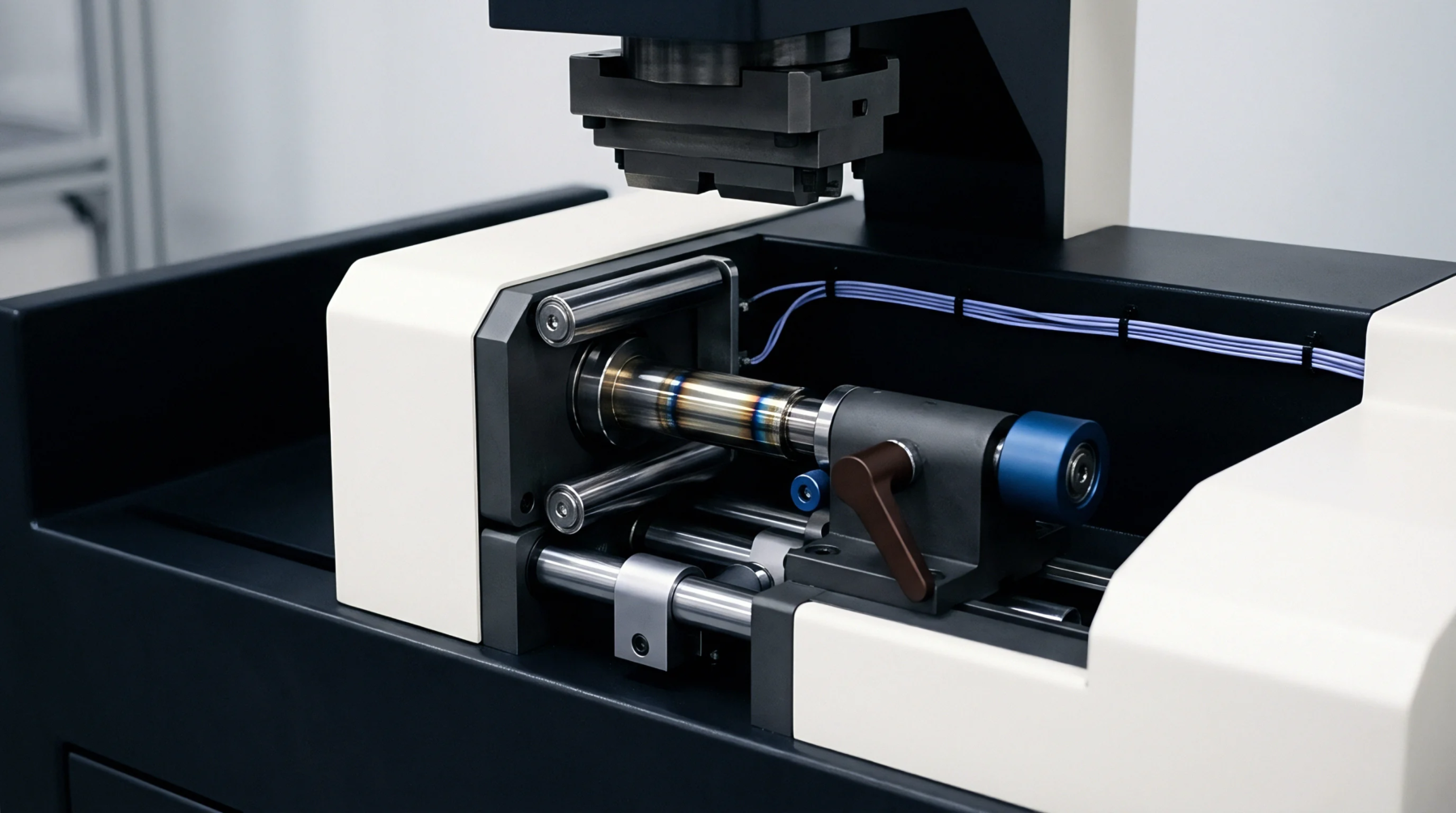
Optimizing module heat dissipation demands matching thermal interface wet-out and structural clamping spring rates to compensate for cyclic cell expansion.
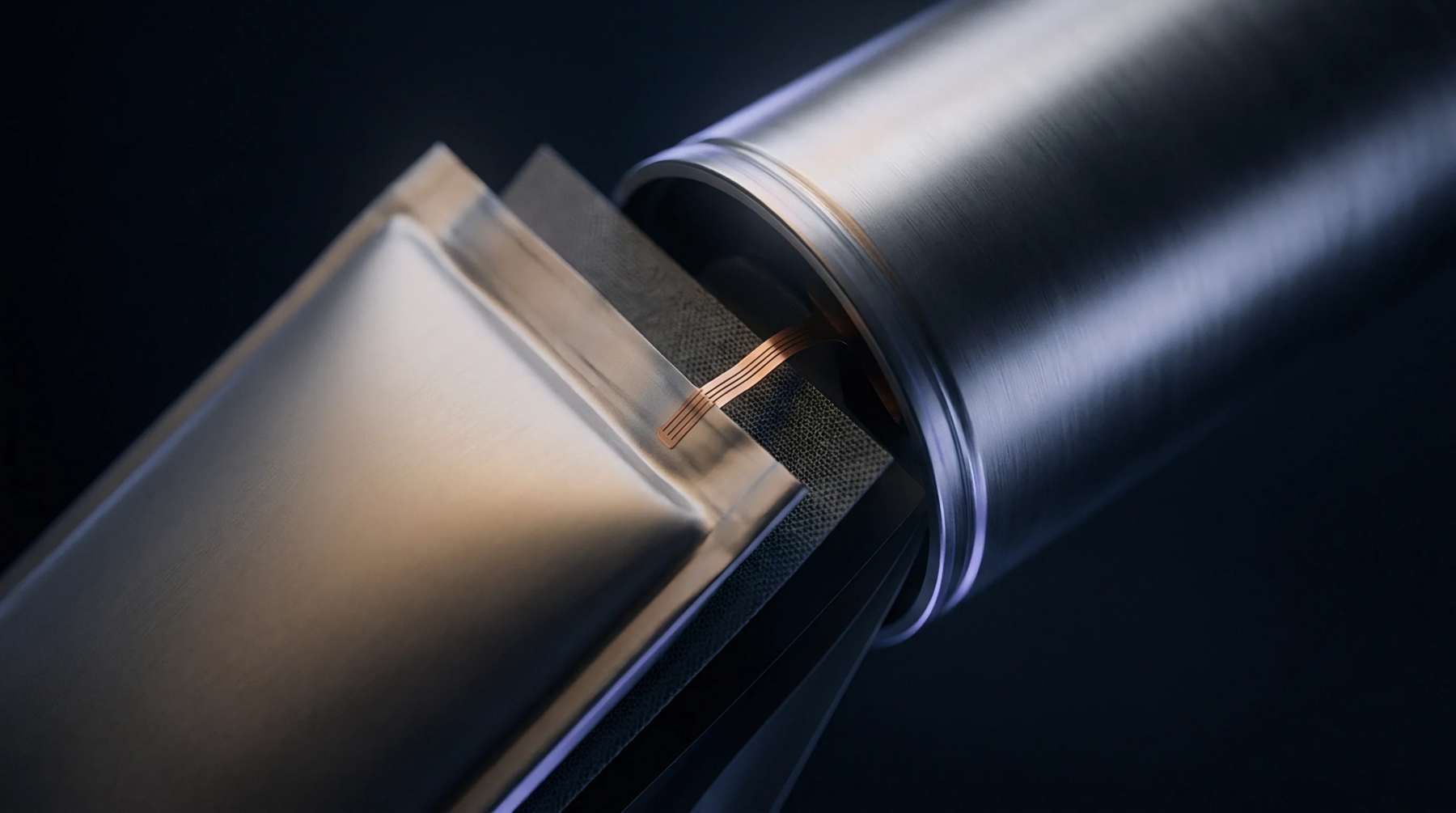
Structurally bonding cell stacks eliminates module mass but transforms minor field defects into complete pack scrap liabilities.
Expertise is a utility, not a secret. sentiention™ publishes its working knowledge as open reference: intelligence layer covering the materials it sources, the markets it enters, and the reference that serves both.