Meaning
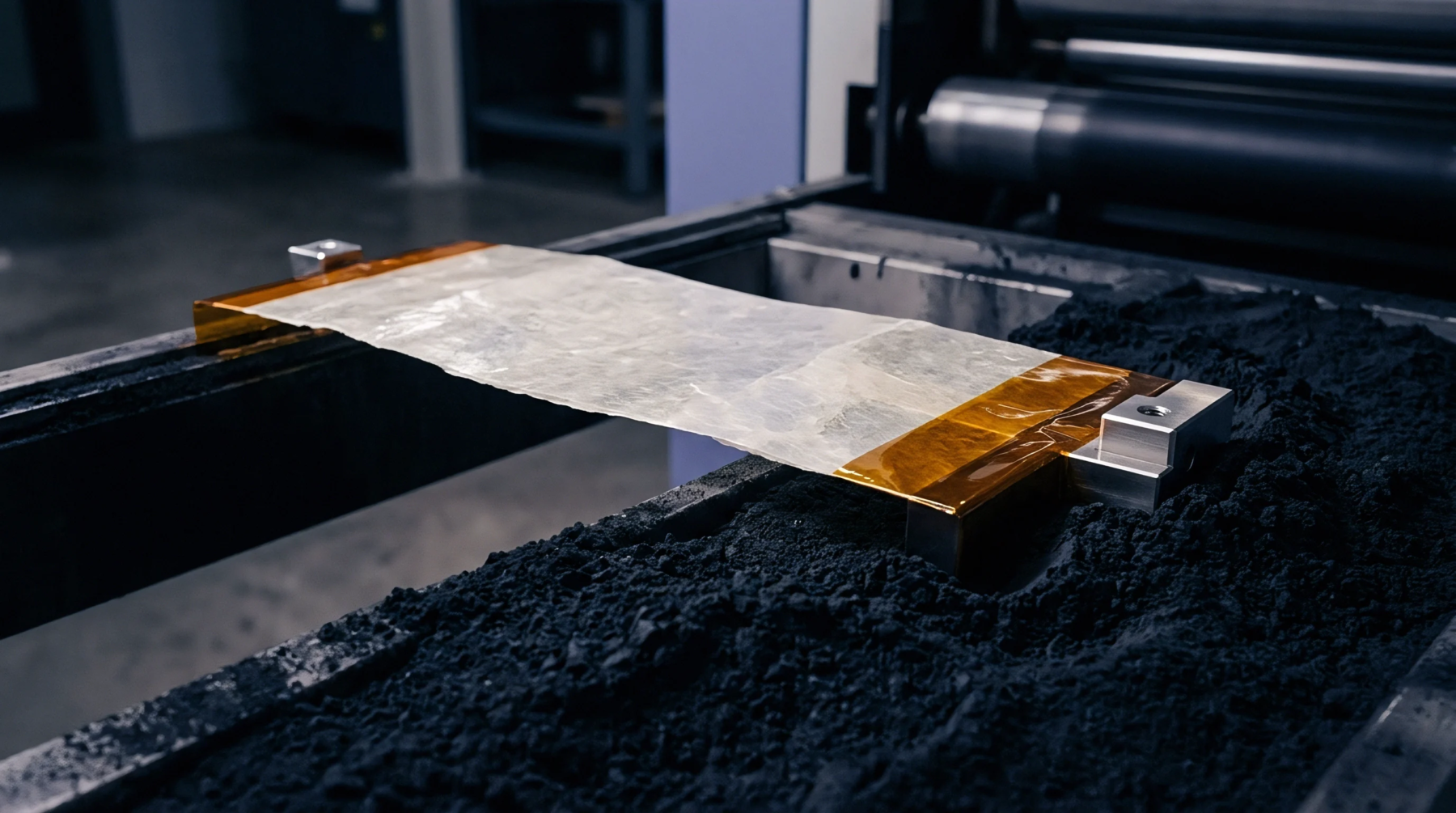
Synthetic polymer produced by the condensation reaction of phenol with formaldehyde, used as a starting material for hard carbon anodes. Pyrolyzing phenolic resin creates highly disordered carbon structures with high sodium or lithium storage capacity. The resulting hard carbon is highly resistant to structural degradation during cycling.
Structural Backbone
The choice of polymer precursor determines the final microstructure of the carbon material after heat treatment. When using phenolic resin, the cross-linked three-dimensional network prevents the carbon layers from organizing into highly ordered graphite sheets. This non-graphitizing behavior is what makes the material suitable for hard carbon production.
Thermal Degradation
Heating the polymer in an inert atmosphere drives off volatile elements like hydrogen and oxygen, leaving behind a carbon skeleton. This process of converting phenolic resin occurs in several stages, each of which must be carefully controlled to prevent the formation of large pores. The temperature profile of this step determines the final density of the carbon, which directly influences the volume change of the electrode during subsequent sodium insertion and extraction cycles.
Yield Characteristic
The solid carbon yield of this polymer is relatively high compared to other organic precursors. This high yield makes phenolic resin a commercially viable option for large-scale anode manufacturing. High yield reduces the raw material cost and the amount of volatile gases that must be treated during the manufacturing process.