Sodium Ion Hard Carbon Anode Specification and Synthesis
Hard carbon anode selection balances d002 spacing above 0.37 nm, BET area under 3 m2/g, and calender density below 1.05 g/cm3 to secure 88% initial efficiency.
Hard carbon anode selection balances d002 spacing above 0.37 nm, BET area under 3 m2/g, and calender density below 1.05 g/cm3 to secure 88% initial efficiency.

Selecting physical vapor deposited chromium nitride or titanium aluminum nitride coatings protects injection cavities against severe glass fiber abrasion while preserving dimensional tolerances.
Defect capping and interphase tuning boost hard carbon anode initial efficiency past 88 percent, cutting cathode mass overhead and cell manufacturing cost.
Thermomechanical strain relaxation at 1400 °C coupled with gas-phase defect passivation elevates hard carbon initial efficiency past 90 percent.
Thermal processing of hard carbon precursors regulates d002 interlayer spacing and closed microporosity to optimize sodium storage capacity and coulombic efficiency.
Hard carbon performance depends on precursor crosslinking and thermal calcination profiles that balance interlayer spacing, closed porosity, and surface area.
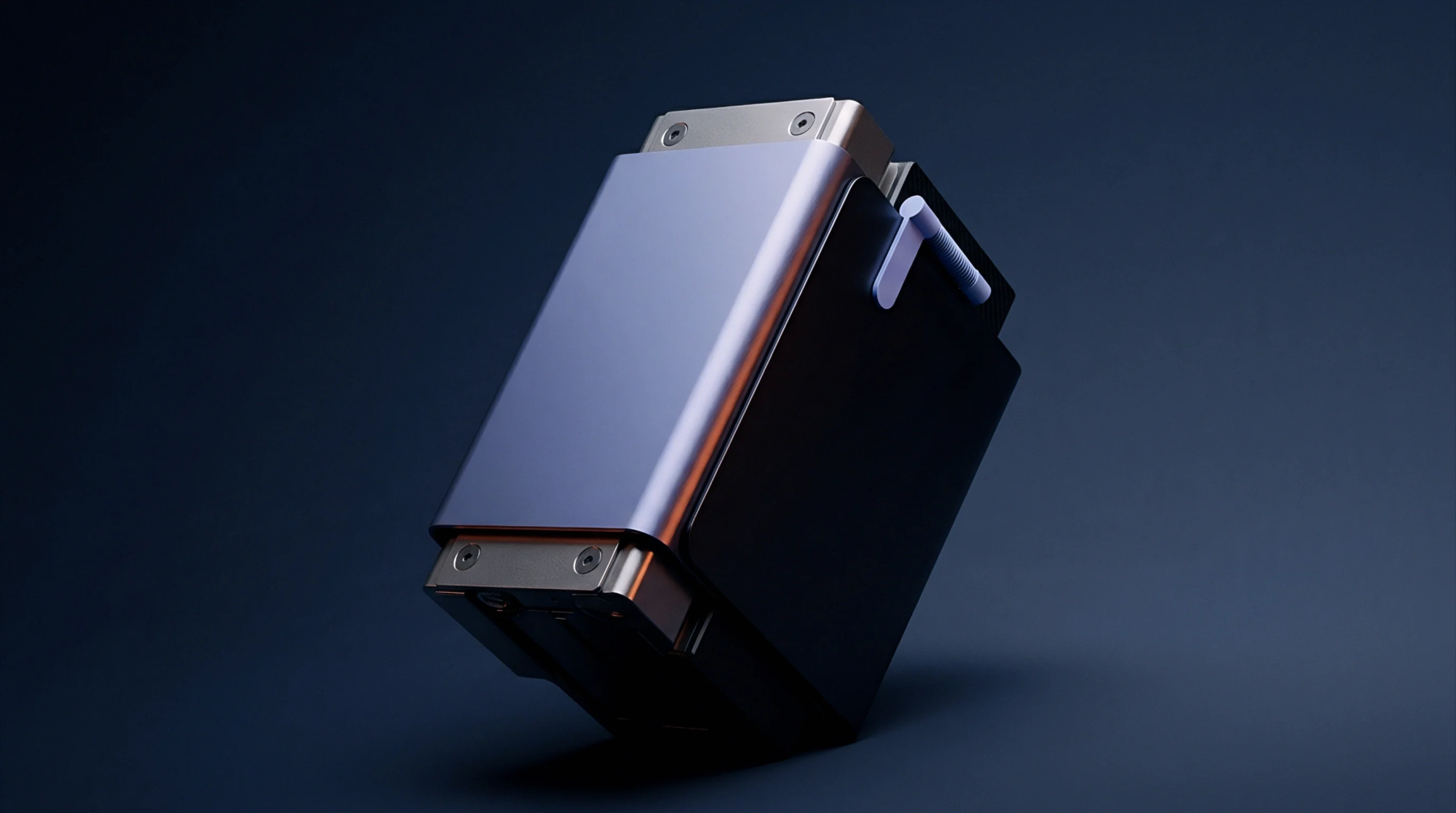
Bio-derived hard carbon performance depends on biopolymer ratio selection, acid demineralization, controlled carbonization temperatures, and surface passivation to maximize low-potential plateau capacity while maintaining high initial Coulombic efficiency.
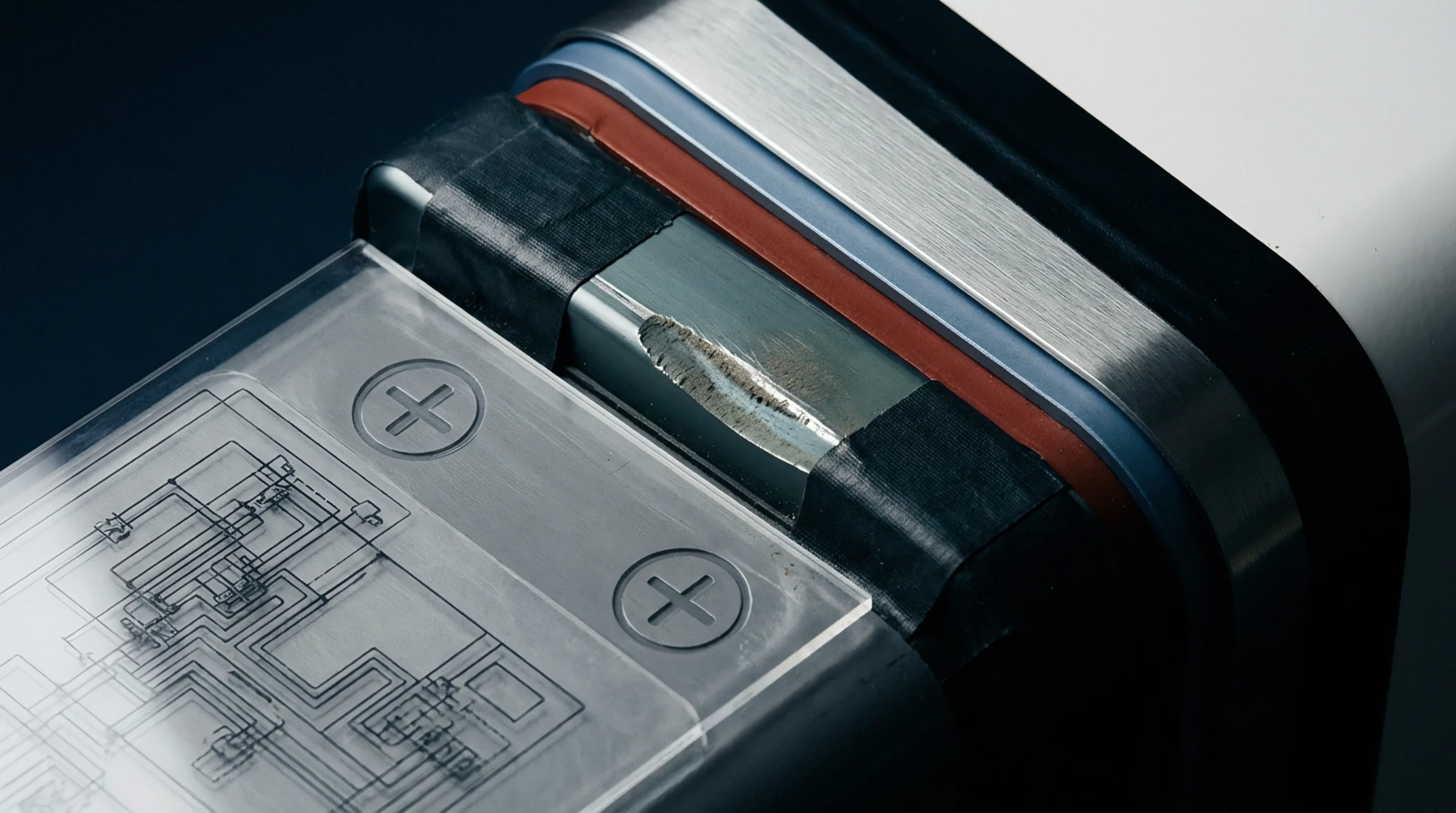
Thermal pyrolysis tuning and defect passivation reduce volumetric lattice strain while maximizing initial coulombic efficiency in hard carbon anodes.
Expertise is a utility, not a secret. sentiention™ publishes its working knowledge as open reference: intelligence layer covering the materials it sources, the markets it enters, and the reference that serves both.