Meaning
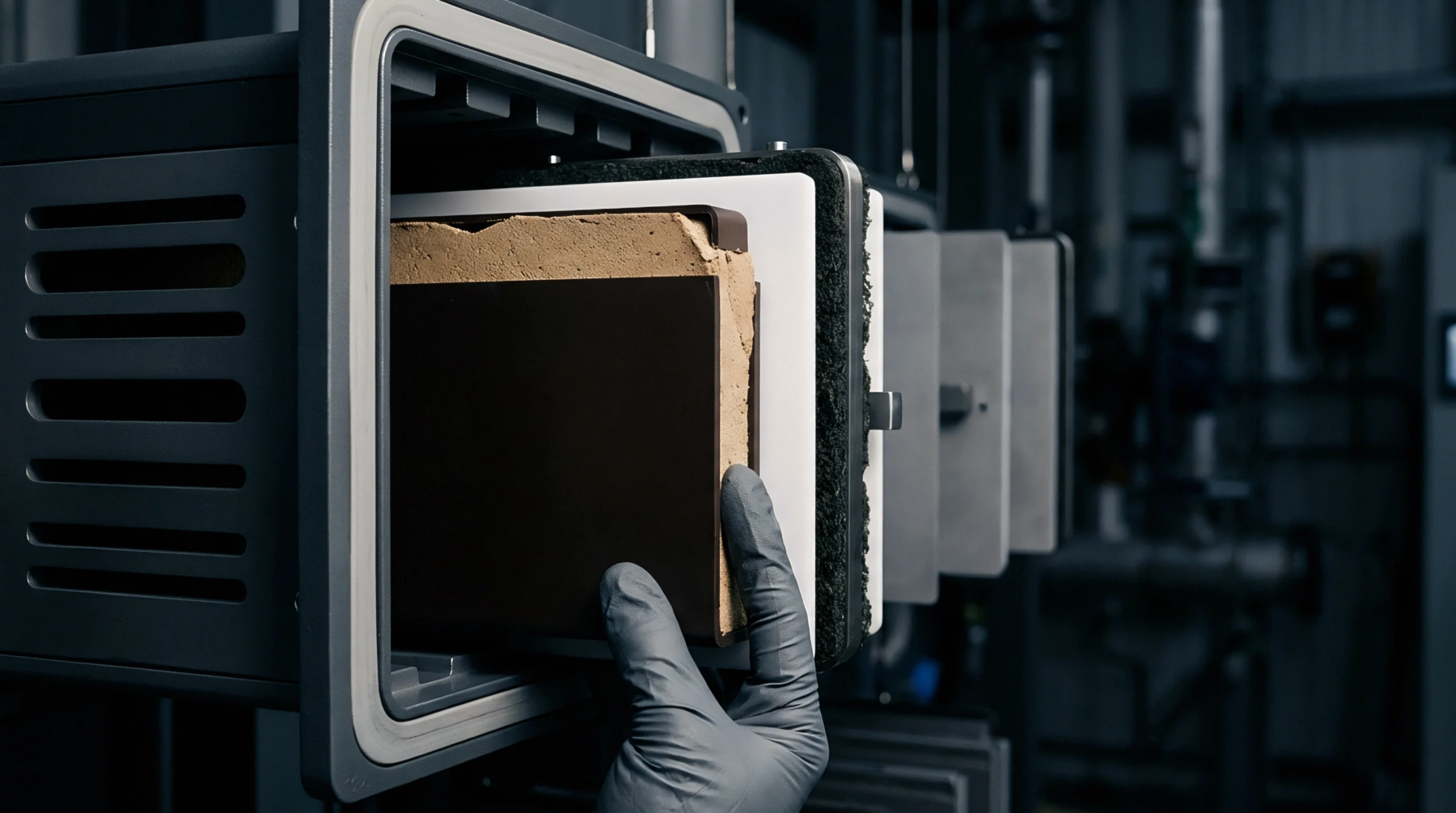
Layered arrangement of flat, flexible-packaged battery units grouped together within a module forms the foundation of modular electric vehicle power systems. A typical pouch cell stack places multiple cells side-by-side or face-to-face, often interspersed with cooling plates and compression foam. This configuration achieves a high packing efficiency by eliminating the thick, heavy metal housings associated with cylindrical or prismatic cell formats.
It allows the maximum amount of active material to fit within the designated pack volume.
Mechanical Management
Maintaining a controlled compressive force on these flexible packages is necessary to prevent internal delamination during long-term cycling. As the cells cycle, they experience thickness changes due to ion transport and solid electrolyte interphase growth, which must be offset by compliant elastomeric pads. The compression plates at each end of the array are bolted or banded to ensure that the internal pressure remains within the sweet spot for cell longevity.
Sourcing engineers specify these pressure margins to avoid both electrode folding at low pressure and electrolyte starvation at high pressure.
Thermal Behavior
Heat dissipation from these flat faces requires a highly conductive pathway to the liquid cooling system. Interleaved aluminum cooling fins are often inserted between the individual packages to draw heat from the center of the array to the cold plate at the base. This arrangement minimizes the temperature gradients across each electrode sheet, reducing the uneven aging that degrades cell balance.
Structural Configuration
The design also minimizes the overall weight of the module by sharing structural components across several cells. By relying on the collective stiffness of the compressed cells and the lightweight endplates, the system achieves a high gravimetric energy density.