Meaning
Regulated baseline compressive forces applied to electrochemical cell stacks prior to initial cycling establish stable mechanical and electrical interfaces across active material layers. In lithium battery pack manufacturing and laboratory testing fixtures, preload control ensures that internal cell components remain in intimate physical contact without exceeding the mechanical yield threshold of separator membranes. The term covers calibrated mechanical springs, torqued threaded fasteners and closed-loop hydraulic clamps adjusted during module assembly.
It ceases to apply to unconstrained floating installations or post-yield destructive crushing events.
Mechanical Execution
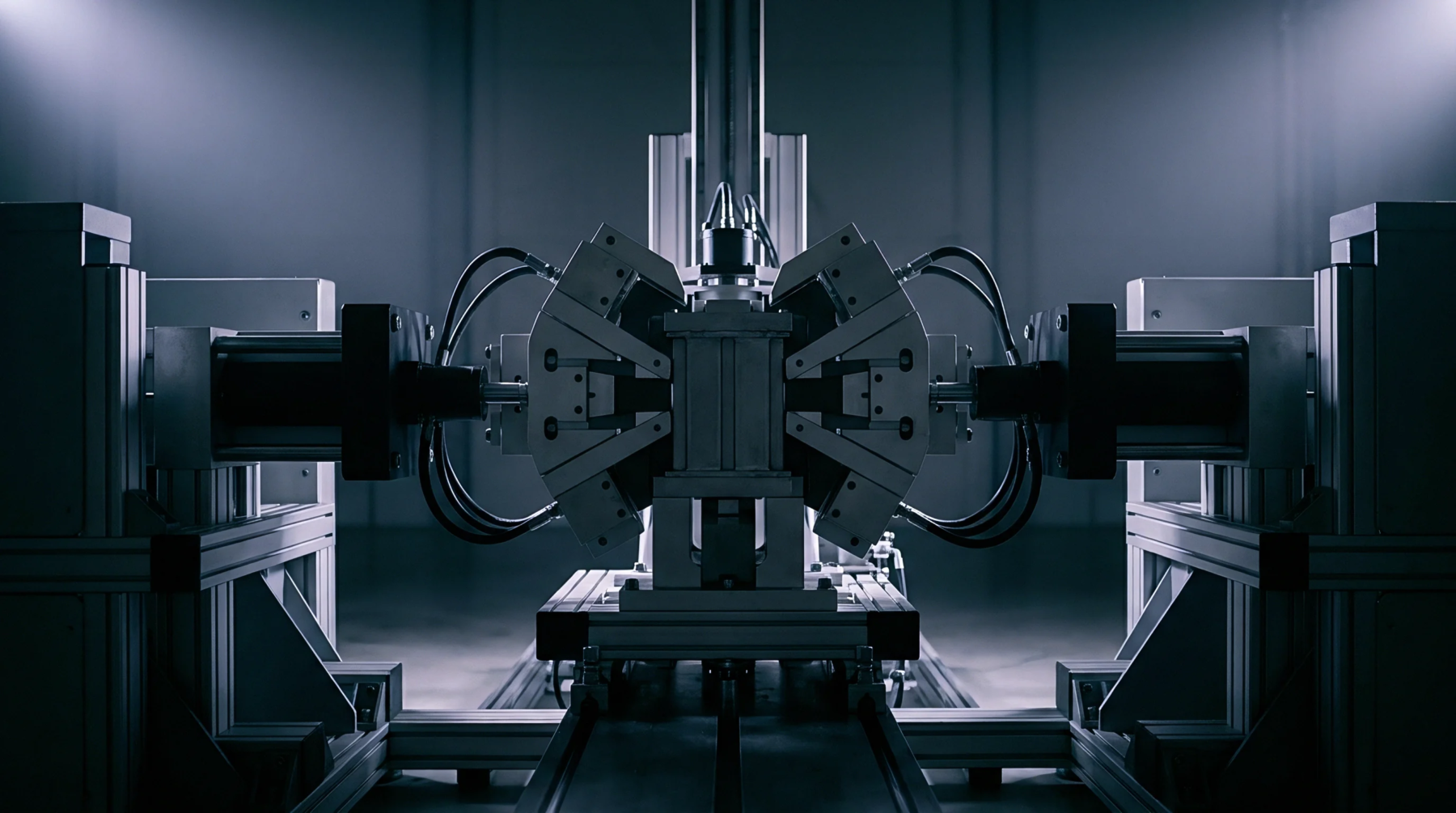
Baseline load setting occurs during module assembly when automated presses compress cell stacks to a target force before tensioning side bands or tightening structural tie bars. Setting initial compressive force counteracts thermal shrinkage, operational vibrations and early-life mechanical settling of insulating pads. Insufficient initial compression permits active layers to shift during vehicle operation, degrading thermal path connectivity to cooling plates.
Excessive initial force crushes separator pores, restricting lithium-ion migration and triggering localized lithium plating during high-rate charging.
Sensor Feedback
Automated assembly lines deploy piezoelectric load cells and high-resolution displacement gauges to govern initial clamping operations. Closed-loop control algorithms adjust platen positions until targeted kilopascal thresholds stabilize against the natural elasticity of the cell casing. Process variations in cell pouch thickness require load-based rather than position-based stopping criteria during press cycling.
Dynamic adjustment protocols compensate for batch-to-batch variations in separator and electrode coat thicknesses.
Procurement Requirements
Cell suppliers specify tight preload ranges in their integration manuals, making warranty validity contingent on verified compliance. Pack manufacturing equipment must demonstrate process capability indices that maintain preload tolerances across high-speed assembly line volumes. Deviations in applied force lead directly to premature module capacity fade, uneven thermal degradation and elevated internal impedance.
Quality auditing mandates physical validation of tightening tools and force transducers through calibrated reference gauges.