Meaning
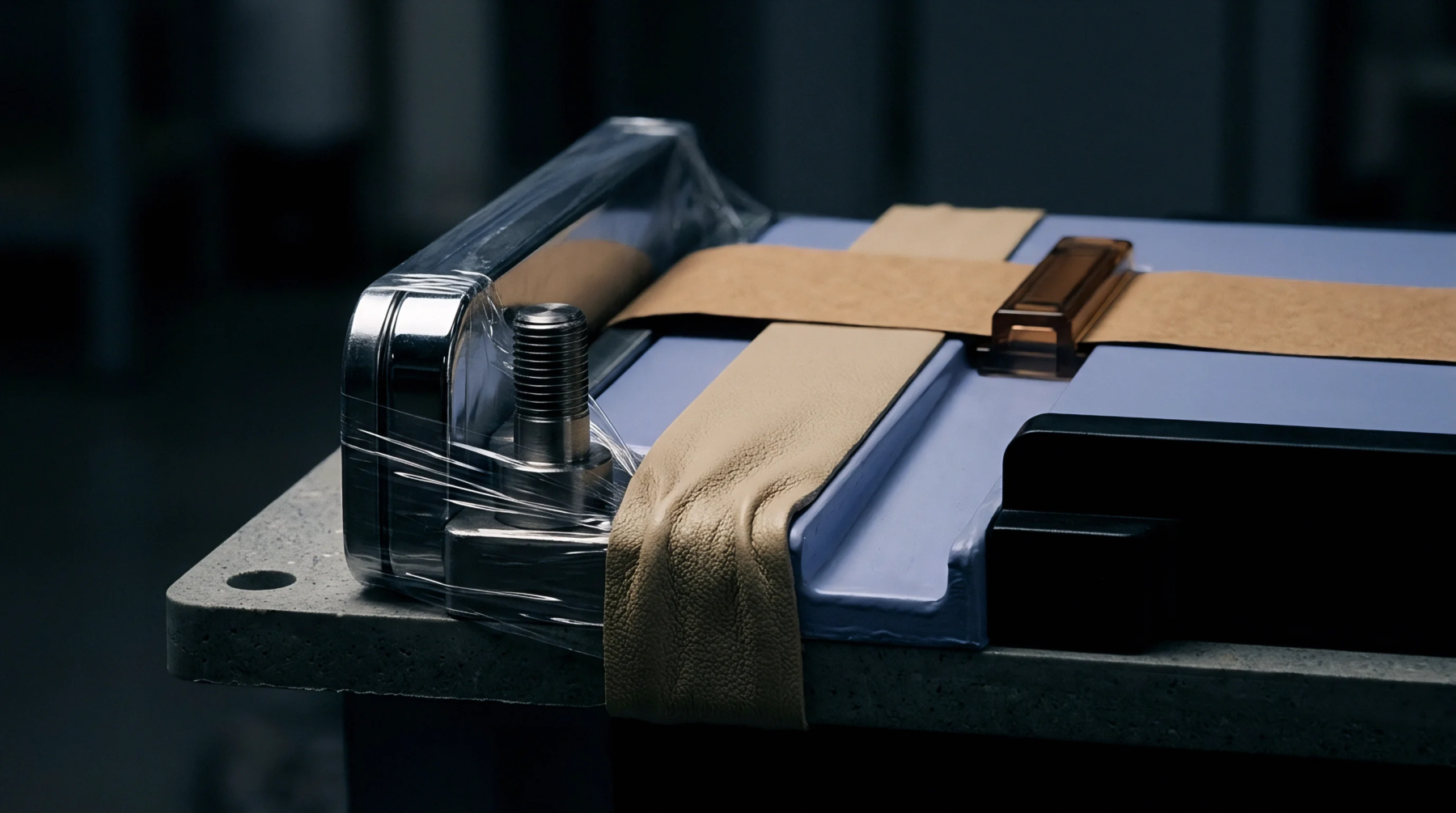
Physical deformation occurs when aluminum or steel casings in a battery pack experience internal pressure from electrolyte expansion and gas generation during charging cycles. Prismatic module stress results from the volumetric growth of the internal jelly roll or stacked electrodes pushing against the rigid housing walls. This force accumulates until the metallic structure reaches its elastic limit or begins to deform plastically, which degrades the contact interface between individual cells.
If left unmanaged, the expansion alters the physical alignment of busbars and cooling plates attached to the exterior surface.
Structural Loading
Engineers monitor the force exerted against the restraining plates that hold a battery assembly together in a rigid frame. Prismatic module stress exerts a continuous mechanical load on these fixtures, often exceeding the nominal clamping pressure designed for the system. Each cell expansion event acts as a vector that shifts the center of gravity within the housing.
Designers utilize calibrated load cells placed between the module and the frame to quantify the internal swelling pressure. High-resolution sensors provide the data required to calculate the total force applied to the enclosure walls during accelerated aging tests.
Material Integrity
Housing alloys resist deformation up to a specific yield point determined by the thickness of the casing and the chemical composition of the metal. Prismatic module stress pushes these boundaries when high-energy electrode materials release gas that increases internal void pressure. Small variations in the thickness of the aluminum walls translate into large differences in the mechanical fatigue resistance of the module.
Manufacturers select specific tempering processes to ensure the housing retains its shape under repeated thermal expansion cycles. Failure to maintain this structural envelope causes the casing to bulge, which compromises the seal integrity around the terminals.
Operational Boundary
Maximum allowable force values define the limit for safe battery integration within an electric vehicle chassis. Prismatic module stress operates as the primary variable for determining the service life of the pack clamping mechanism. When the internal pressure exceeds the rated threshold, the electrical pathways connected to the terminals experience microscopic displacement that increases ohmic resistance.
This degradation process limits the amount of power the battery discharges under heavy current loads. A properly designed housing mitigates this effect by distributing the mechanical expansion across the entire surface area of the module.