Meaning
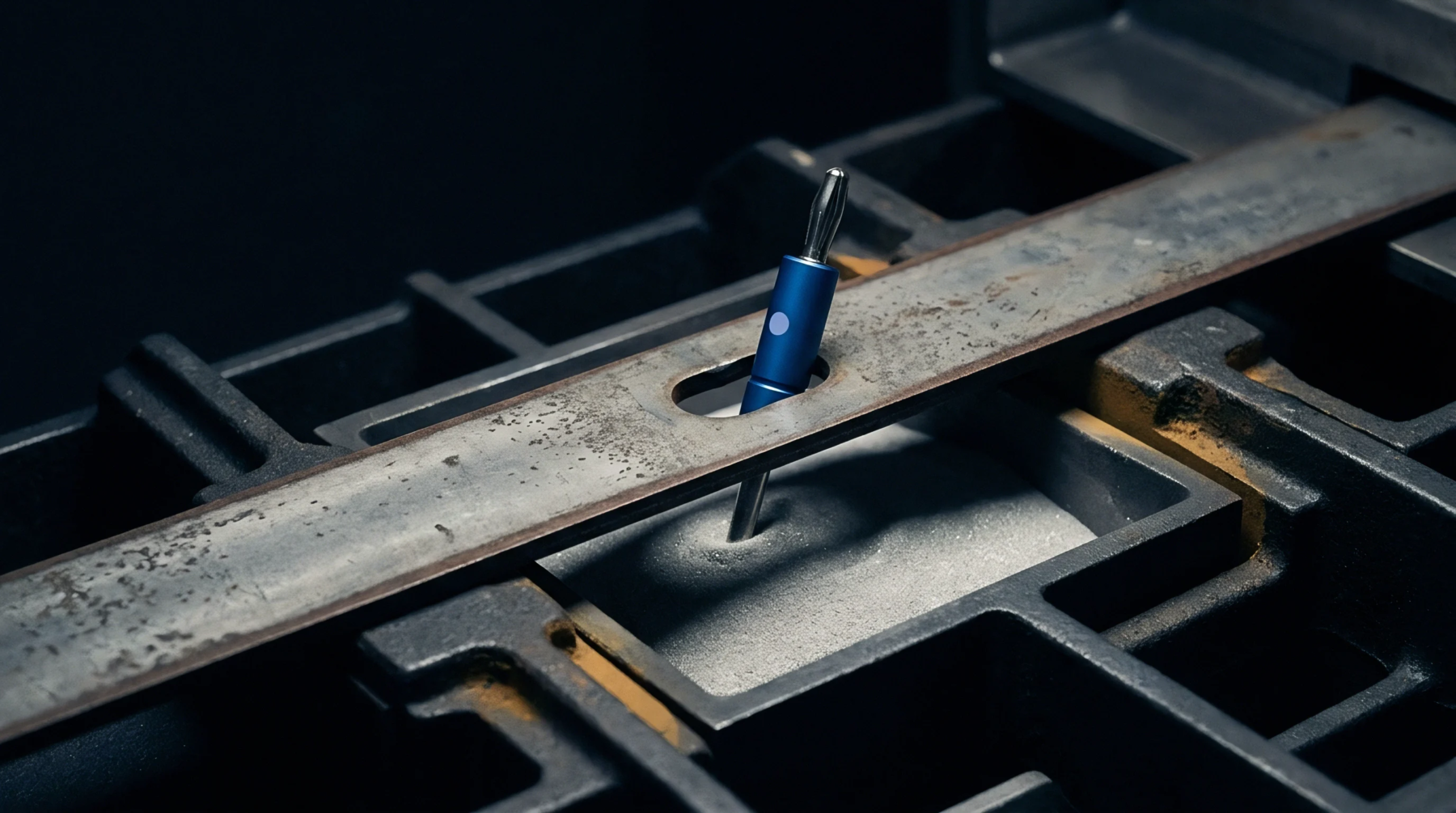
Physical wearing down of the contact points on electrical testing needles due to repetitive mechanical and electrical stress. High volume battery production requires thousands of contact cycles per day where probe tip erosion can degrade the quality of the measurement. Over time, the loss of material increases contact resistance and leads to inaccurate voltage readings.
The reduction in metal mass changes the geometry of the point and reduces the pressure applied to the cell terminal.
Surface Wear
Friction between the metal probe and the battery terminal removes microscopic layers of the conductive coating. Arcing during high current discharge tests can also melt or pit the surface of the tip. Using harder alloys like rhodium or tungsten can slow down the rate of destruction but cannot stop it entirely.
Regular inspection under magnification is required to identify the start of visible deformation.
Contact Resistance
Rising resistance at the measurement interface creates heat and voltage drops that mask the true performance of the cell. If the tip is damaged, the test equipment may reject a good battery due to a perceived internal failure. Maintaining clean and sharp contact surfaces is necessary for the integrity of the sorting process.
Automation systems often track the number of hits per needle to predict when the resistance will climb above the threshold.
Maintenance Cycle
Replacement schedules are based on the hardness of the tip material and the force of the contact. Scheduled swaps prevent data corruption in the production log.