Meaning
Difference in temperature measured across various points within a battery cell or along the geometric length of a multi module pack assembly. Minimizing thermal gradients is a primary focus for engineers because large temperature differences across a single cell cause irregular current distribution and faster localized aging. This value is expressed as a variance in degrees Celsius between the hottest core and the coolest skin sections of the unit during operation.
If the variance becomes too high the chemistry shifts unevenly leading to internal mechanical stresses and potentially dangerous imbalances between parallel strings. Designers track these differences using multiple integrated thermocouples or high resolution infrared cameras during intense high power cycling. Effective thermal management keeps this span as narrow as possible to ensure that every section of the electrode participates equally in the load profile.
Impact On Life
Variations in local temperature create uneven resistance across the electrode which forces cooler areas to carry less load while warmer spots work significantly harder. Large thermal gradients lead to a condition where specific areas within the battery reach end of life months before the overall system has delivered its economic value. Hotter regions experience faster electrolyte decomposition while cooler regions may suffer from the formation of lithium metal deposits on the surface of the anode.
This divergence means the battery pack is only as healthy as its most stressed local section during daily cycles. Sophisticated cooling plates aim to bring the heat differences down into the target range of less than three degrees variation across any single module. Consistent thermal properties preserve the safety margins built into the software for calculating remaining vehicle range and power capability limits.
Systemic Challenges
Liquid cooling channels are routed through the pack in specific patterns designed to handle the inevitable buildup of heat as fluid travels from the inlet to the outlet. In the management of thermal gradients the layout of the cooling logic must account for the fact that coolant gets progressively warmer as it picks up energy from modules. Increasing flow velocity provides more heat removal capacity but requires more energy for the pump which reduces the overall system efficiency of the final product.
Active systems use cross flow or counter flow configurations to distribute this warming more evenly across the physical bank of cells in the enclosure. Gaps between cells act as secondary heat insulators if they are not correctly filled with conductive pads or gap fillers during initial pack assembly. Overcoming these natural thermal barriers ensures that every component is maintained at its optimal electrochemical working temperature simultaneously.
Verification Diagnostics
Performance during fast charging serves as the ultimate test of how well the mechanical system buffers the rapid generation of internal resistive heat across the array. Measuring thermal gradients after a repeated charge sequence allows quality controllers to identify failing cooling interfaces or modules that have internal resistance deviations. Automated alarms detect when the delta temperature between sensors exceeds safety thresholds which triggers a power reduction command from the BMS.
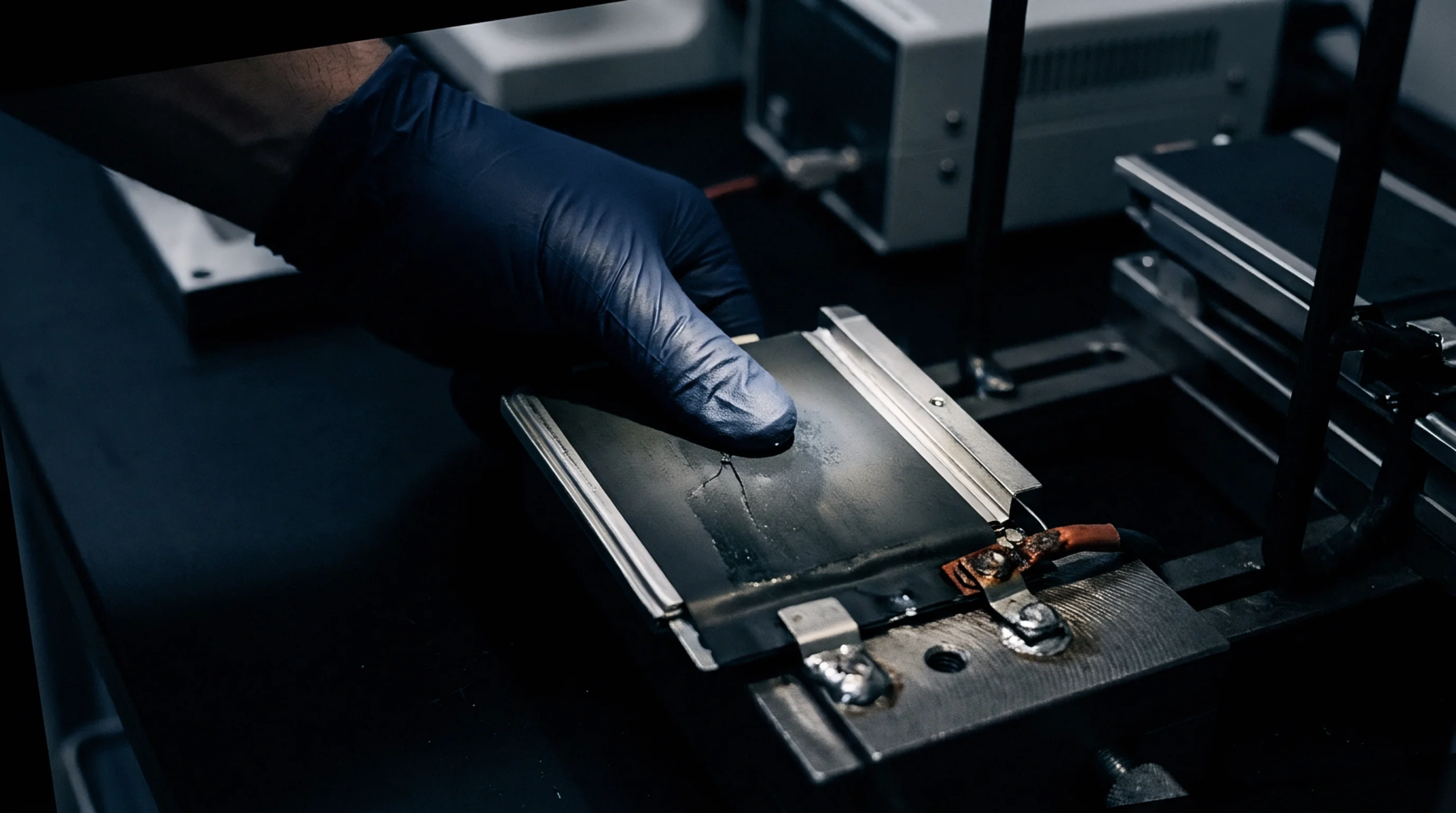
Post event analysis explores whether steep curves were caused by poor cooling plate contact or local increases in chemical activity inside a specific pouch. Engineers refine future designs based on these heat maps to move coolant where it is truly needed during high stress events. Reliable long term storage systems require this diagnostic data to guarantee performance consistency for twenty years of grid stability service.