Meaning
Loss of thermal interface material from between a heating component and a cold plate due to repeated thermal expansion and contraction cycles. A pump out failure increases the thermal resistance of the junction, leading to elevated operating temperatures for the battery cells. The problem occurs when the material behaves as a high-viscosity liquid under stress.
Material Movement
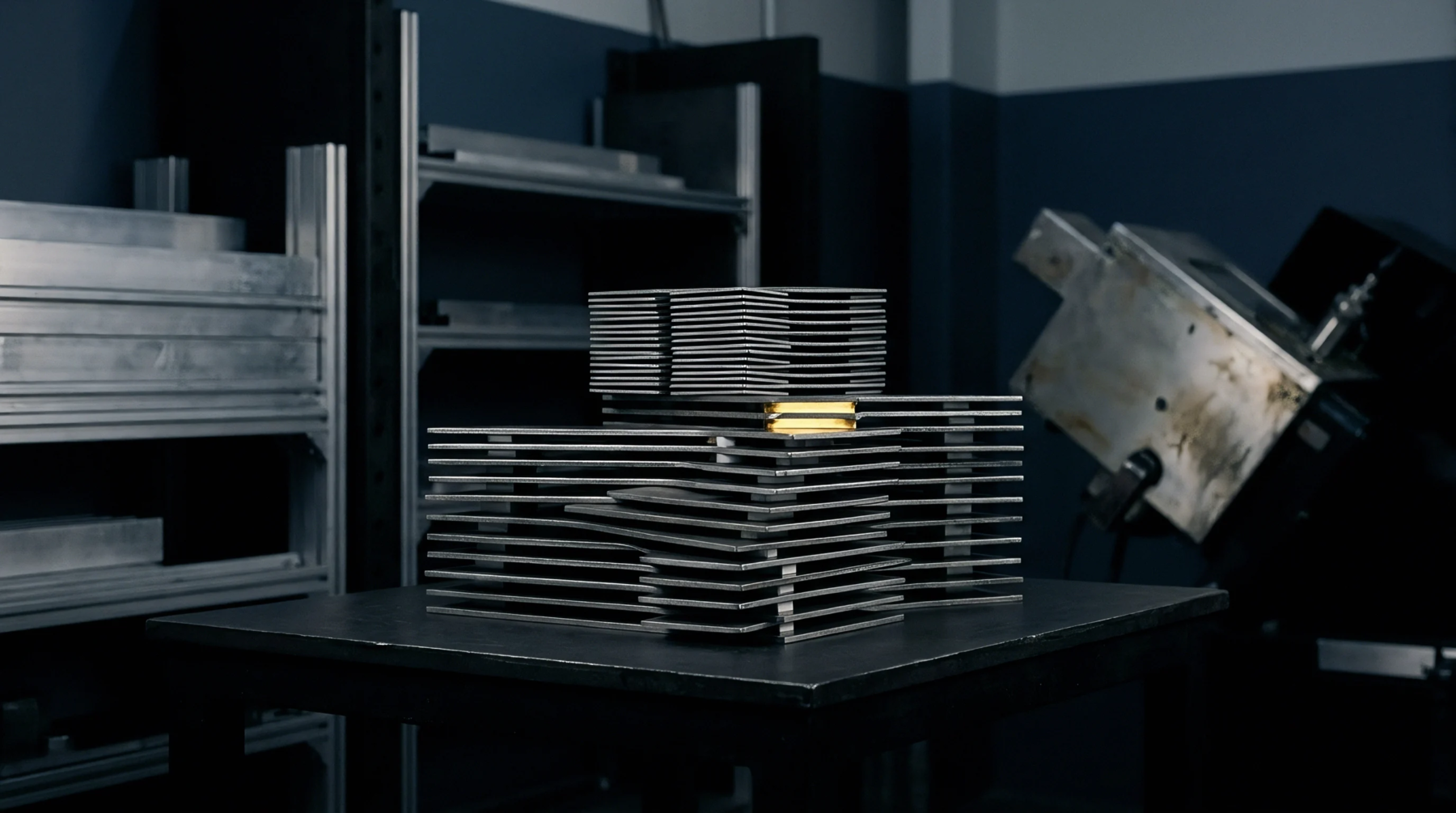
Temperature fluctuations cause the mating surfaces of the module and the cold plate to deflect and squeeze the interface material. This cyclic squeezing action forces the material out of the contact zone over time. Once forced out, the material does not return to its original position, leaving a void.
Sourcing Specification
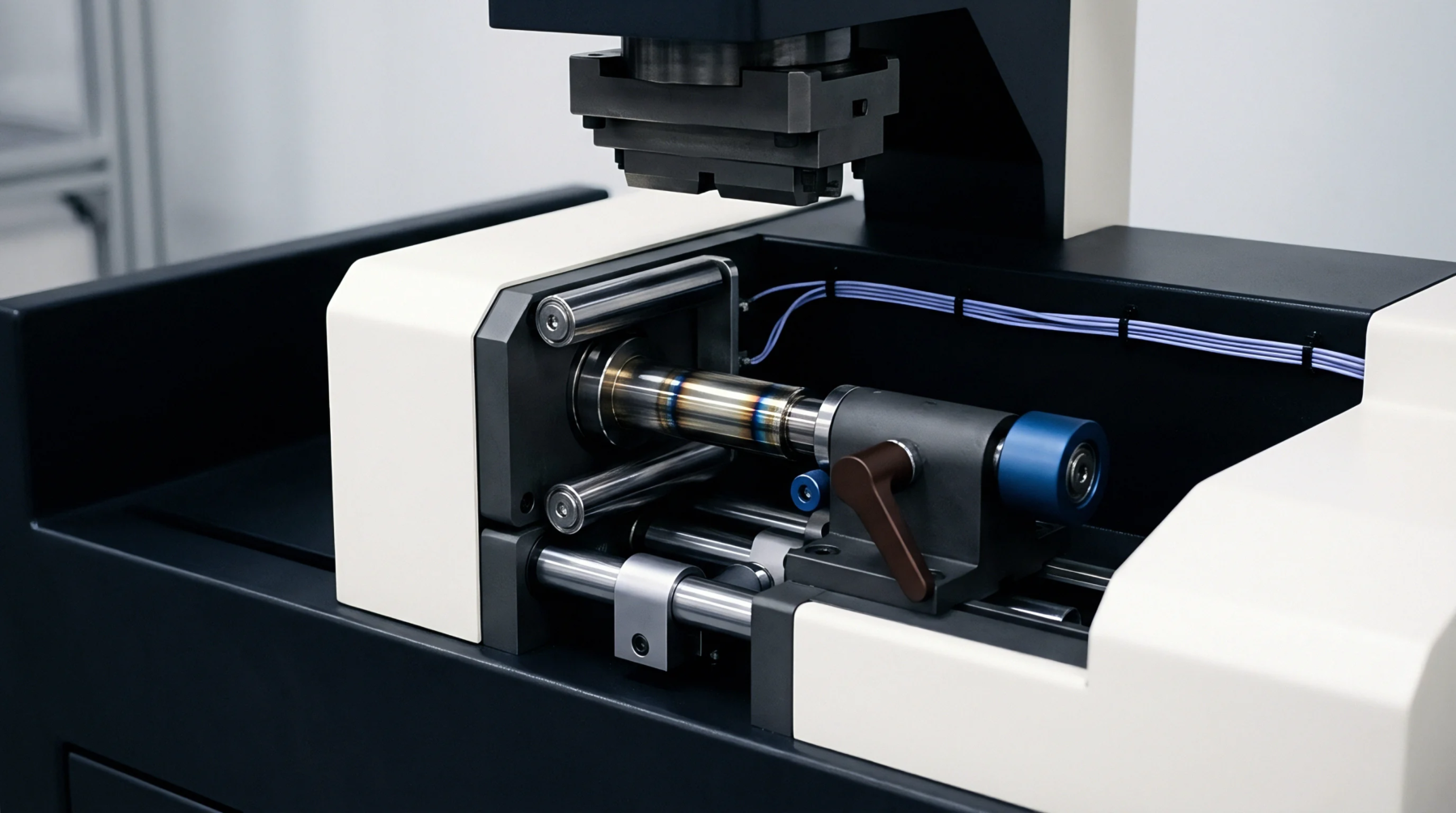
Sourcing agreements for thermal interface materials require long-term thermal cycling tests to evaluate their resistance to this effect. Procurement teams select materials that have high tackiness and elastic properties to prevent displacement under cyclic loads. These material properties are validated using ASTM or ISO test standards.
Pack Longevity
Avoiding thermal runaway and preserving cell life requires a stable thermal interface throughout the service life of the pack. Gaps in the thermal interface material create hotspots where cells run hotter than their neighbors. This temperature imbalance leads to uneven cell aging and a reduction in the overall pack capacity.
Selecting a pump-out resistant material is therefore a primary requirement for long-term module reliability.