Meaning
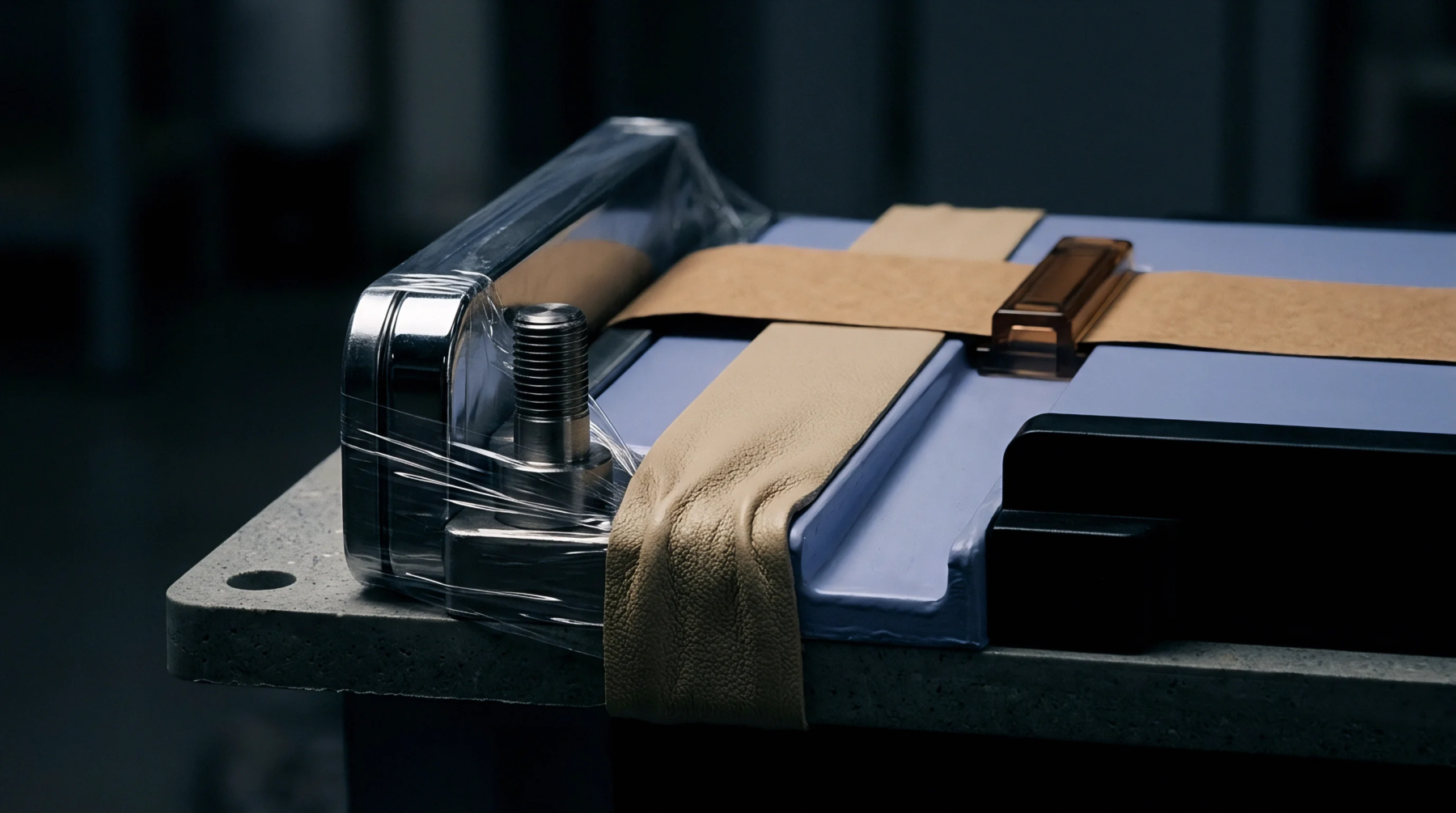
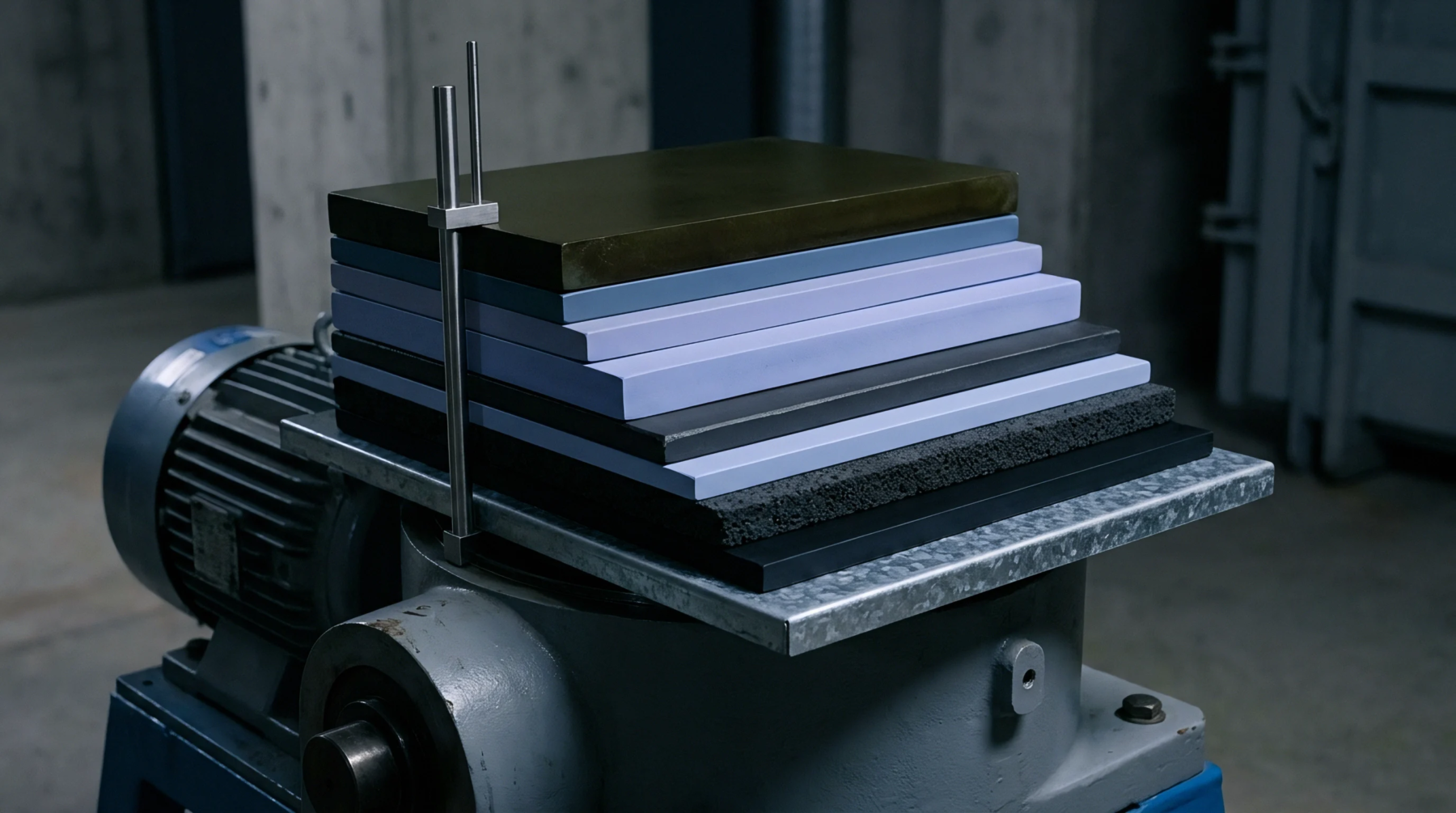
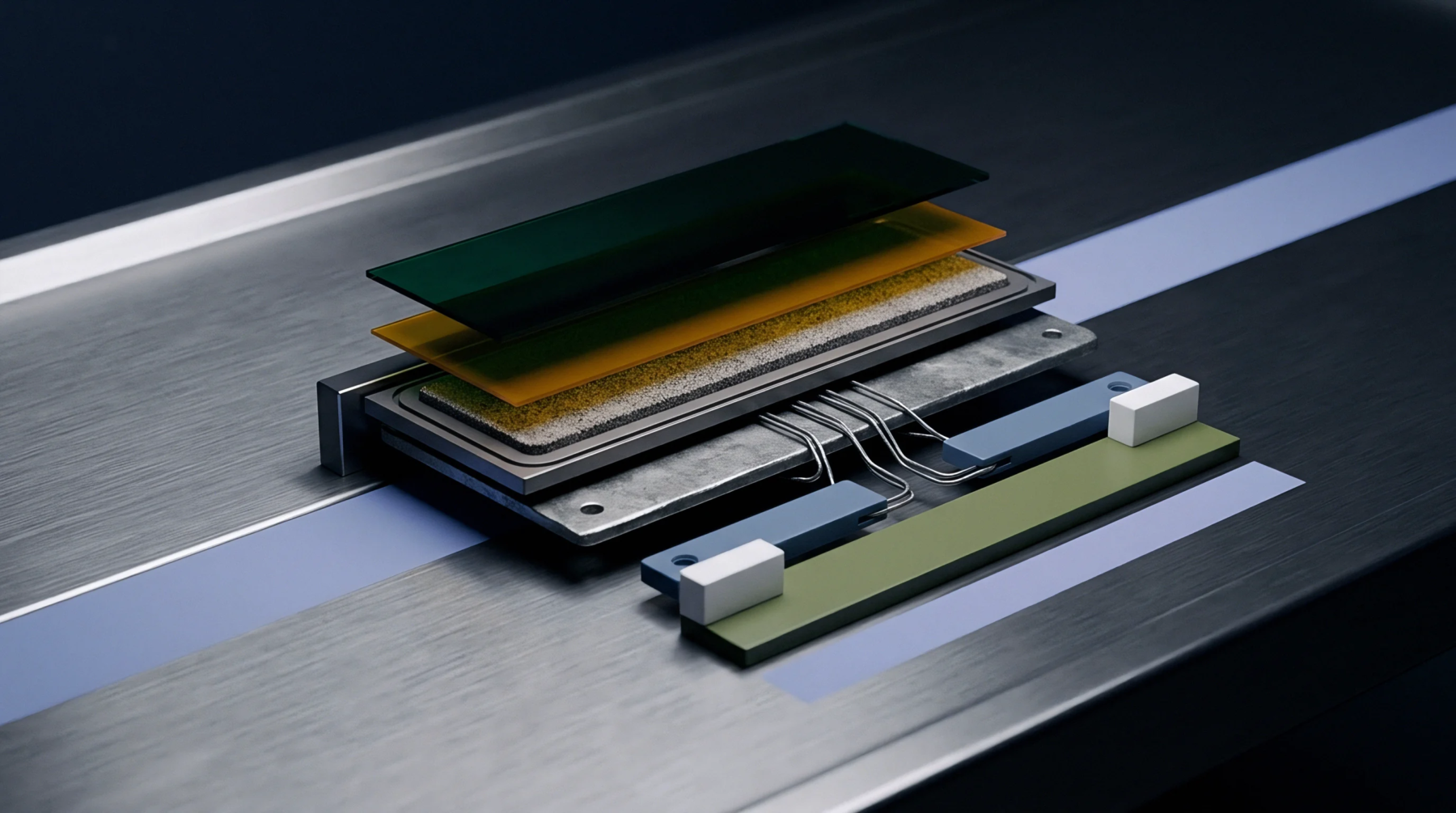
A highly conductive substance applied between electrochemical cells and the cooling plates of a battery pack maximizes heat transfer. This thermal interface material fills microscopic air gaps and surface irregularities to ensure low thermal resistance across the contact boundaries. It is supplied as cure-in-place liquids, pre-cut pads, or structural adhesives depending on the assembly process.
This material governs the efficiency of the active cooling system and does not provide electrical conductivity.
Heat Transfer
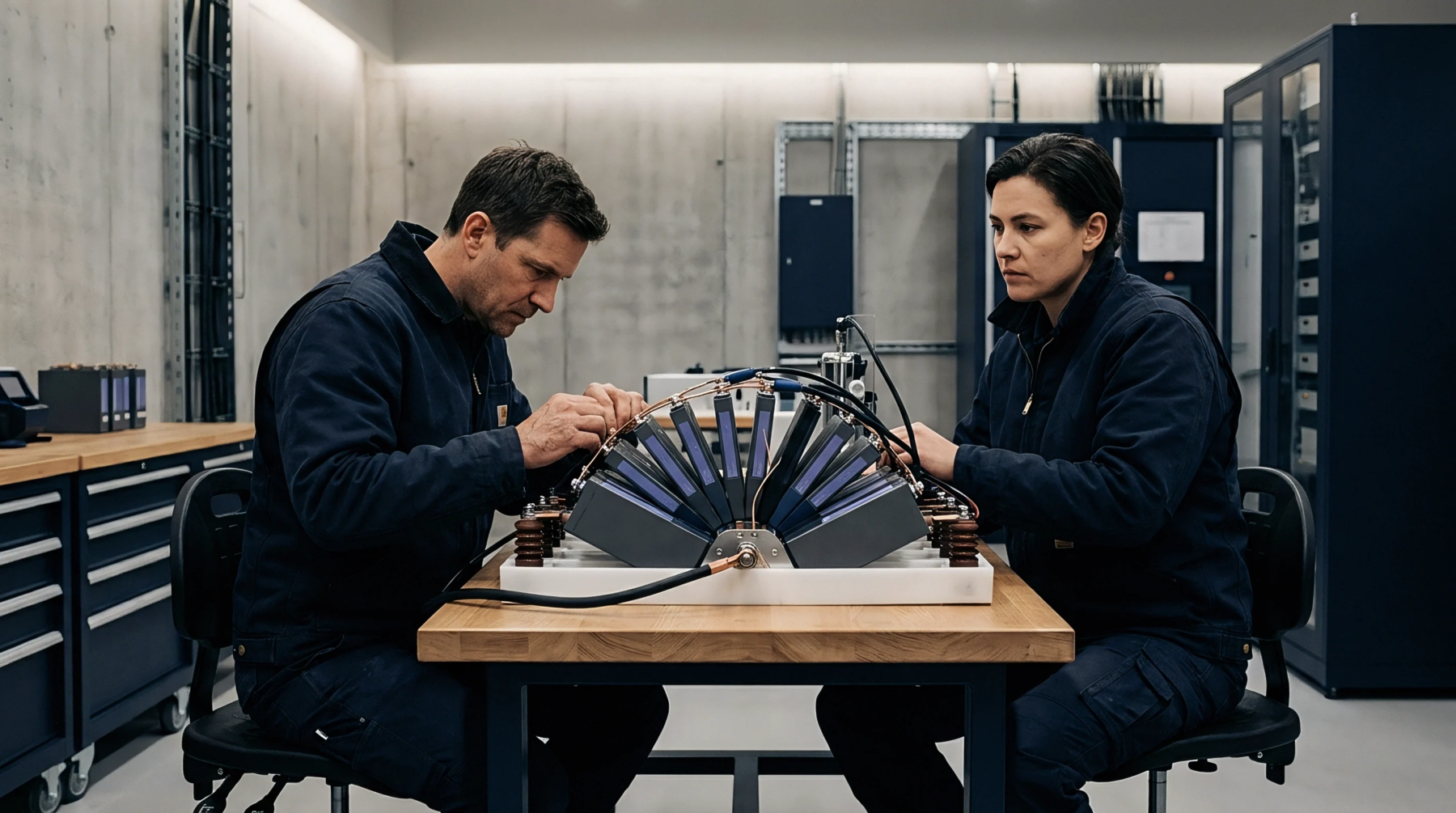
By replacing insulating air pockets with a highly conductive compound, this medium facilitates the rapid removal of waste heat from the cells. The thermal interface material allows the cooling system to maintain uniform temperatures across the pack, preventing localized hot spots that accelerate degradation. It exhibits high dielectric strength to ensure electrical isolation between high-voltage cells and the grounded cooling structure.
This dual function of thermal conduction and electrical insulation is essential for safe pack operation.
Material Sourcing
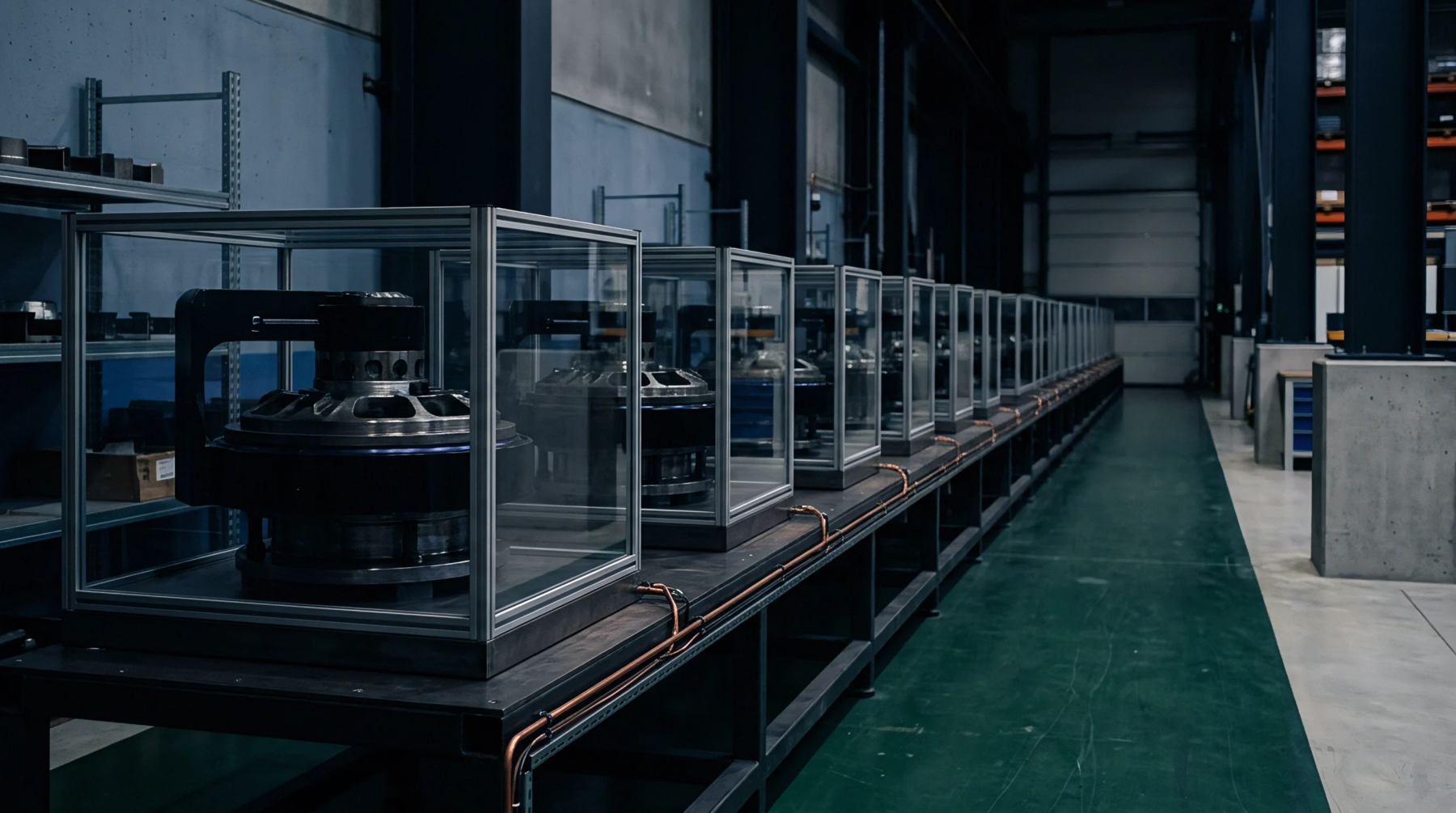
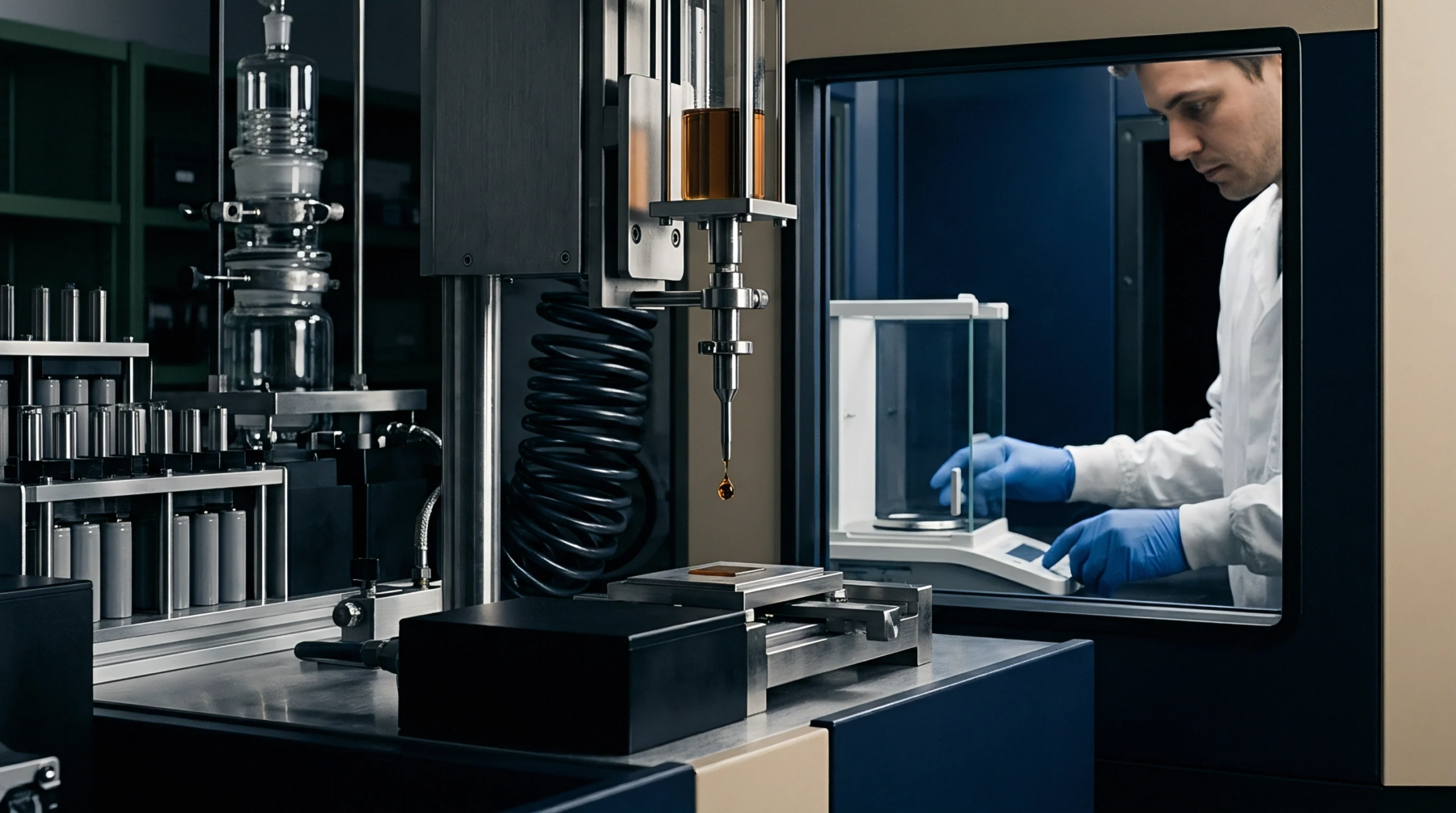
Sourcing specialists evaluate these compounds based on their thermal conductivity, viscosity, dispensing requirements, and long-term stability under vibration. Since premium thermal interface material can represent a significant portion of pack material costs, buyers must balance performance with processing speed. Automated dispensing of liquid gap fillers is favored in high-volume automotive production to minimize manual assembly time.
Suppliers must guarantee that the material will not dry out, pump out, or lose contact over the life of the vehicle.
Application Boundary
The performance of this conductive layer is highly dependent on the precision of the application process and the surface flatness of the joined parts. If too much material is applied, it increases thermal resistance, while too little material leaves air gaps that create localized thermal barriers. This constraint requires manufacturers to invest in precise dispensing machinery and strict quality control on the assembly line.
This boundary limits the maximum tolerance allowed during the mechanical assembly of the battery pack.