Meaning
Thermochemical decomposition of organic materials at elevated temperatures in the absence of oxygen results in the formation of solid carbon residues alongside liquid oils and gaseous products. The pyrolysis process is the first major step in the conversion of biomass or synthetic polymers into advanced carbon materials like hard carbon or carbon fibers. By heating the precursor in an inert atmosphere, the chemical bonds are broken without combustion, allowing the carbon atoms to form a stable solid network.
This reaction typically occurs between four hundred and one thousand degrees Celsius, with the exact temperature determining the ratio of solid to gas produced. It is governed by the heating rate, the residence time and the chemical structure of the starting material. This process is different from gasification because it focuses on preserving the solid carbon rather than converting the entire mass into fuel gases.
Reaction Pathway
Breakdown of the complex organic molecules follows a series of steps that begin with the release of moisture and light volatile compounds. As the temperature rises, the pyrolysis triggers the cracking of long chain hydrocarbons into smaller, more reactive fragments. These fragments can then undergo secondary reactions, such as polymerization and cross-linking, which build the foundation of the solid carbon structure.
The nature of these reactions is highly dependent on the presence of specific functional groups in the precursor, such as oxygen or nitrogen. If the heating is too rapid, the material can vaporize before the solid network has time to form, leading to a lower carbon yield. Conversely, a controlled heating profile allows for the development of a more dense and stable char.
The evolved vapors can be condensed into bio-oils or used as a source of energy to heat the reactor.
Phase Distribution
Distribution of the final products into solid, liquid and gas phases is a primary design consideration for industrial operators. Fast pyrolysis is optimized to produce high yields of liquid bio-oils by using very high heating rates and short residence times. Slow pyrolysis, also known as carbonization, is used when the goal is to maximize the production of solid char for use in filtration or as a battery anode precursor.
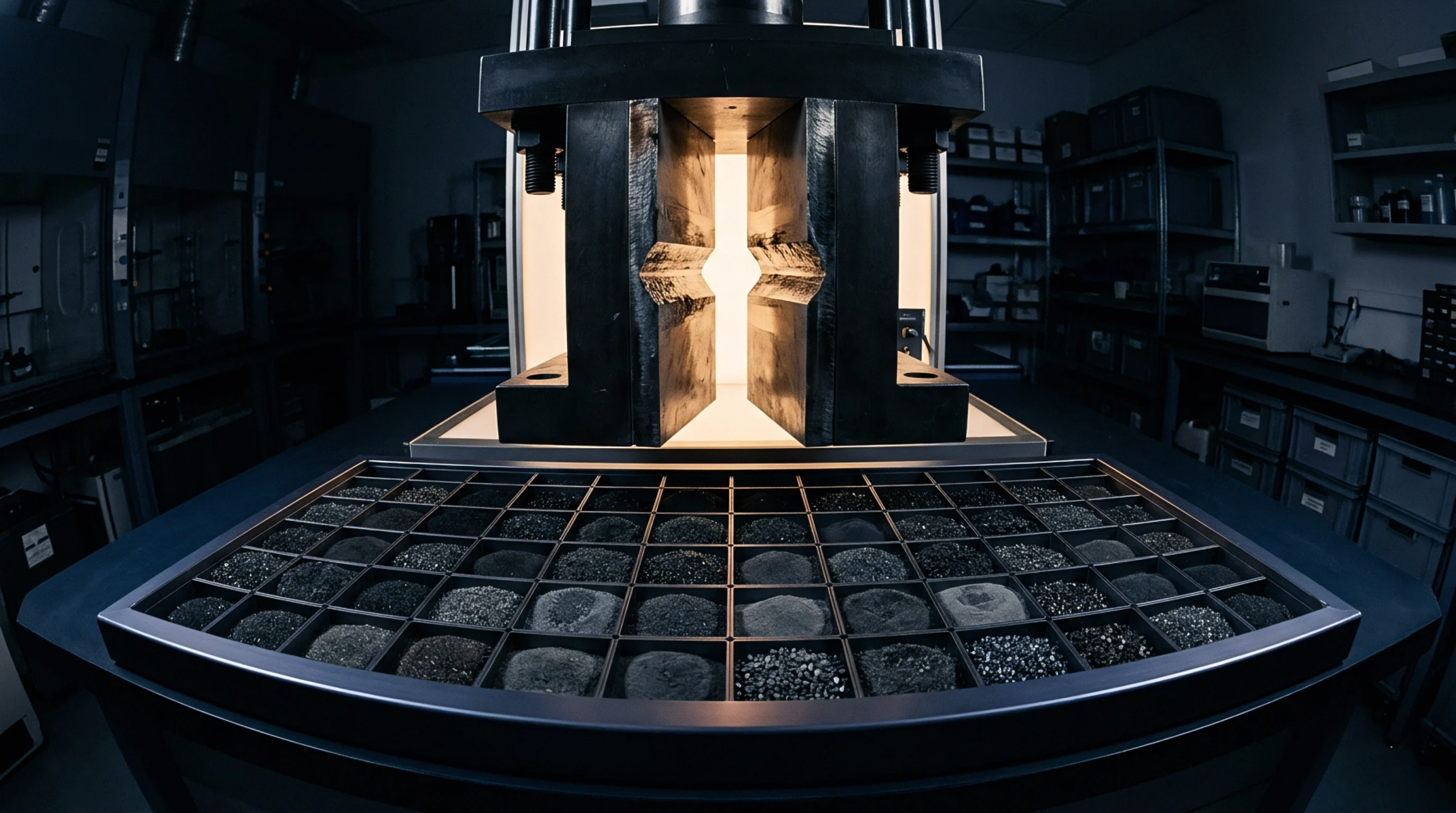
The solid phase, often called pyrolytic carbon, retains much of the original shape of the precursor but with a significantly higher carbon concentration and a porous internal structure. The gaseous phase consists of non-condensable vapors like hydrogen and methane, which can be captured and used for industrial heating. The balance between these phases is a direct result of the thermal history of the material during the reaction.
Temperature Control
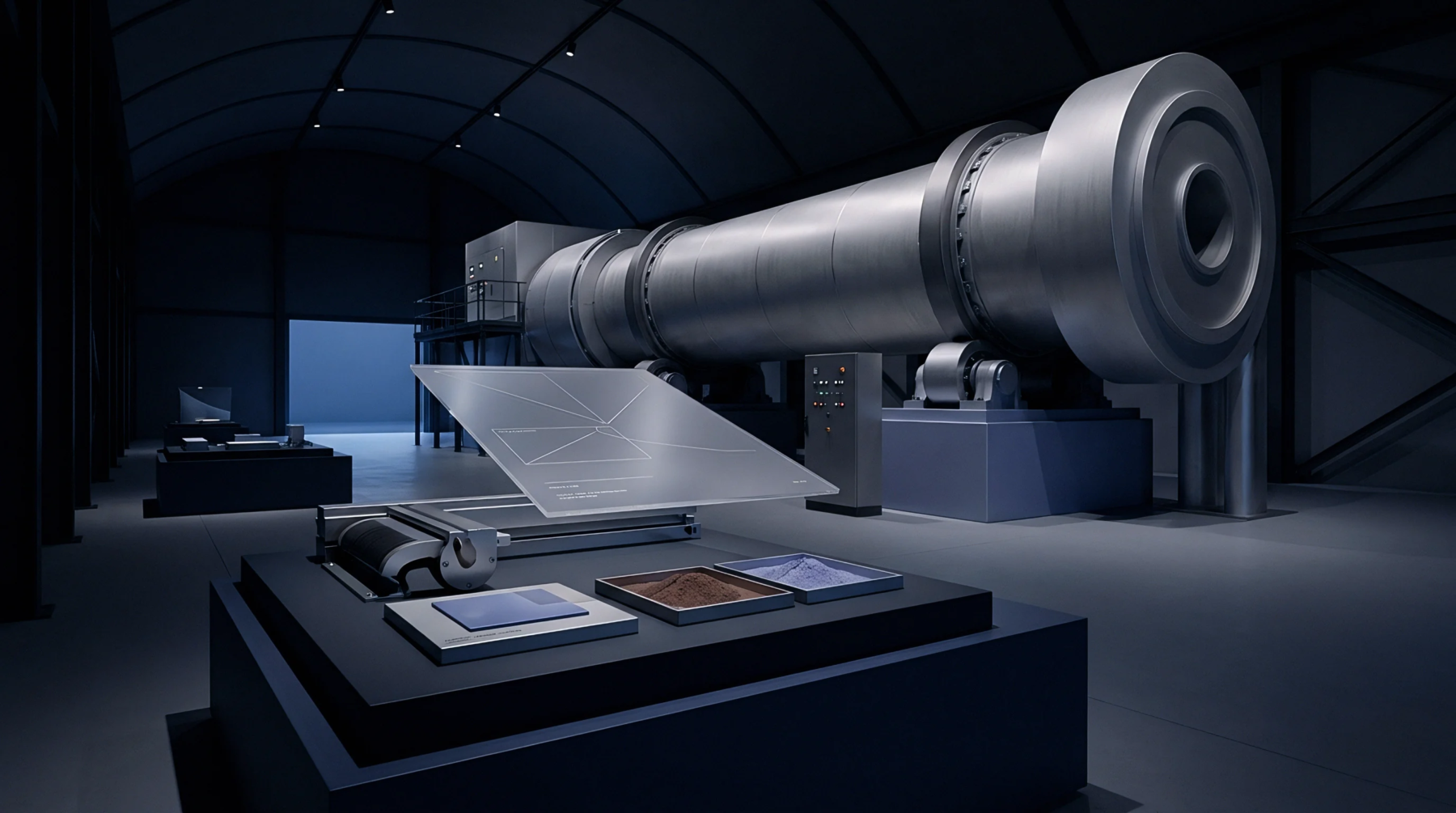
Precise management of the heating environment is necessary to achieve the desired material properties and to ensure the safety of the operation. Pyrolysis requires an airtight reactor to prevent the entry of oxygen, which would cause the material to burn instead of decomposing. The temperature must be monitored at several points within the bed to ensure that the entire mass is treated uniformly.
Variations in temperature can lead to an inconsistent product with different levels of residual volatiles and varying degrees of carbonization. Many modern systems use indirect heating, where the heat is transferred through the walls of the reactor from an external burner or electrical heater. This allows for better control over the heating rate and the final soak temperature.
The cooling phase must also be managed carefully to prevent the solid carbon from igniting when it is eventually exposed to the air.