Meaning
Processing conditions where a liquid metal transforms into a solid state at rates exceeding ten thousand degrees per second describe rapid solidification in metallurgy. This high speed cooling prevents the formation of coarse crystals and forces the alloy to maintain a more uniform chemical distribution than traditional casting methods allow. it is the underlying mechanism that creates the fine powders used in advanced tool manufacturing and chemical delivery systems.
Phase Restriction
Extreme cooling speeds interfere with the natural migration of atoms toward the sites where they would typically build large dendritic trees. During rapid solidification, the interface between the solid and liquid moves so fast that solute atoms do not have time to push away into the remaining fluid. This results in an alloy where elements that are normally incompatible stay locked in a single solid matrix with very few boundary defects.
Because the crystals are suppressed, the material develops a microcrystalline or even amorphous structure that exhibits superior hardness compared to ingot cast equivalents. The absence of large inclusions reduces the areas where cracks can potentially start when the metal is hammered or bent. Small grain size becomes a standard feature of any alloy created through these intense thermal drops.
Process Execution
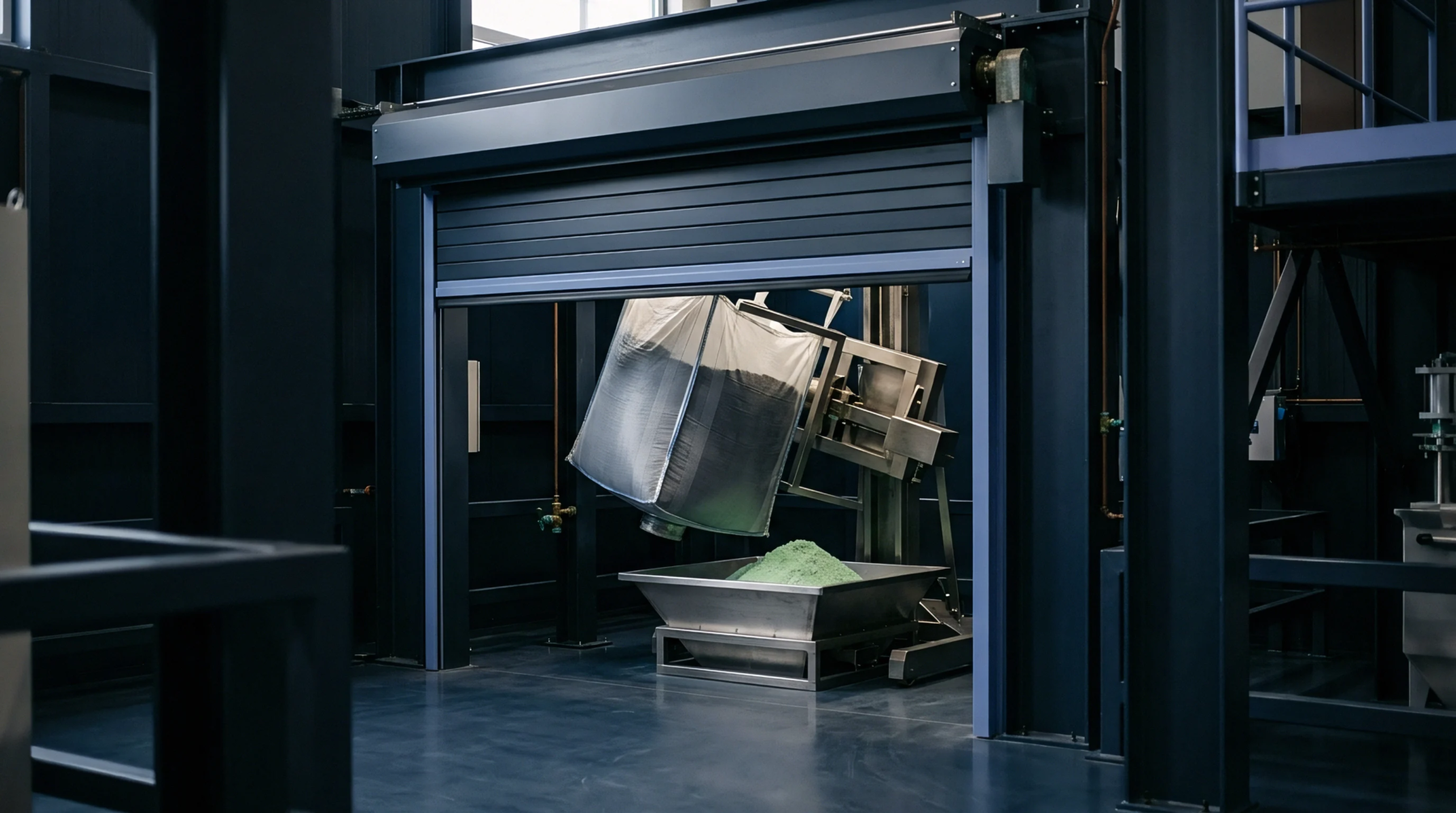
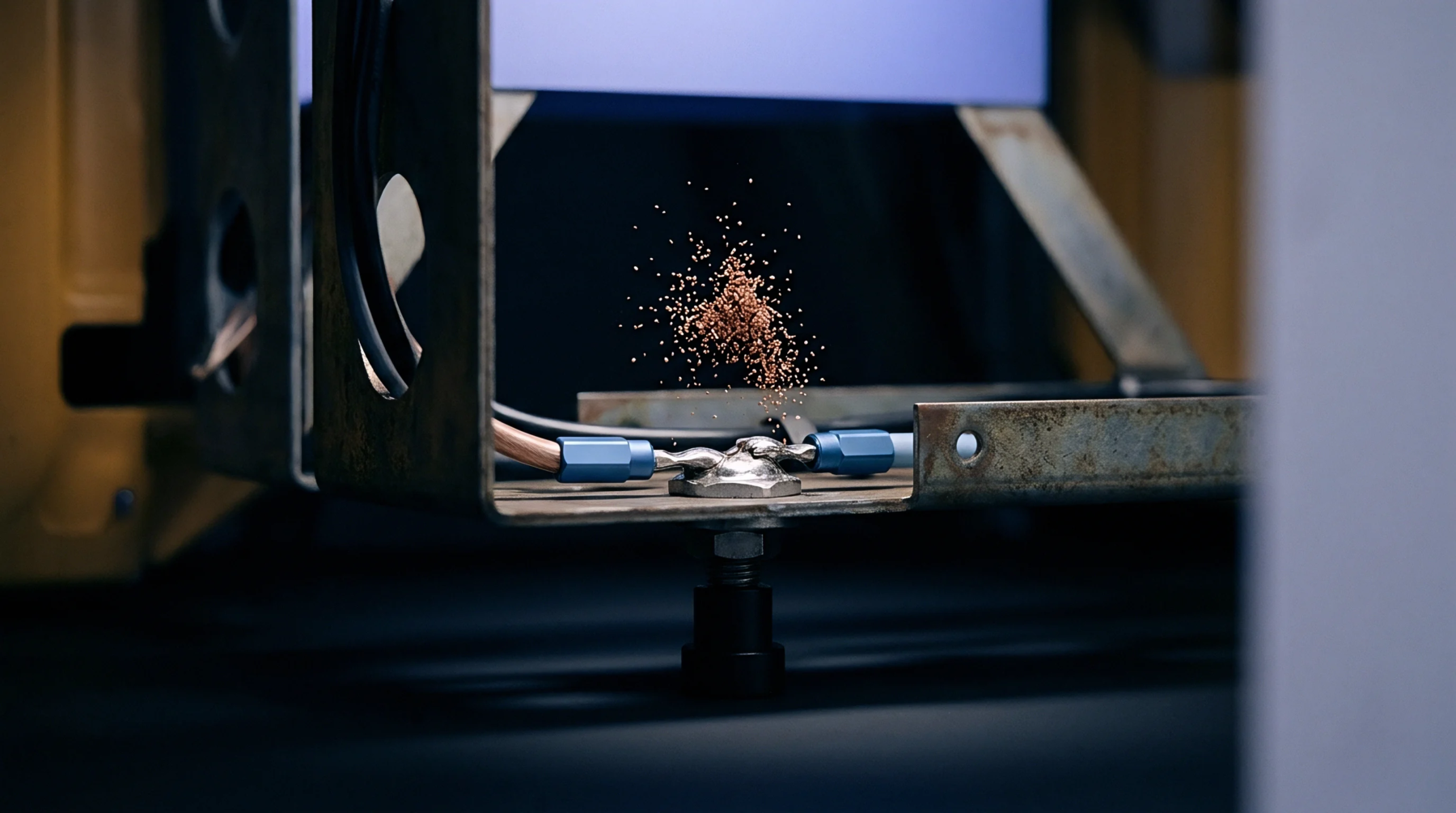
Generation of these rates is achieved through techniques such as gas atomization where tiny droplets contact a high velocity stream of cold gas. Another method for achieving rapid solidification involves spinning a molten jet onto a cold copper wheel which creates thin ribbons of high hardness material. In each case, the volume of metal cooled at any single moment is kept small to ensure the heat moves out nearly instantaneously.
This requirement limits the batch size for individual units but allows for the creation of massive volumes of high grade powder over time. Monitoring the droplet diameter is essential because larger pieces cool significantly slower and will have different internal properties than smaller ones. Consistent particle size distribution ensures that the entire batch behaves correctly during final sintering or hot pressing.
Structural Advantage
Reliability of high speed steels is significantly increased by utilizing items that have undergone this high speed cooling phase. Metals produced via rapid solidification allow for higher alloying content than can be safely included in slowly cooled ingots without creating excessive brittleness. This opens the path for super alloys that integrate large amounts of vanadium and molybdenum to reach hardness levels suitable for machining the world’s toughest industrial pieces.
Tool life increases dramatically because the structure is fine enough to maintain its edge through thousands of cycles at high feed rates. Quality control looks specifically at grain refinement to verify the cooling intensity.