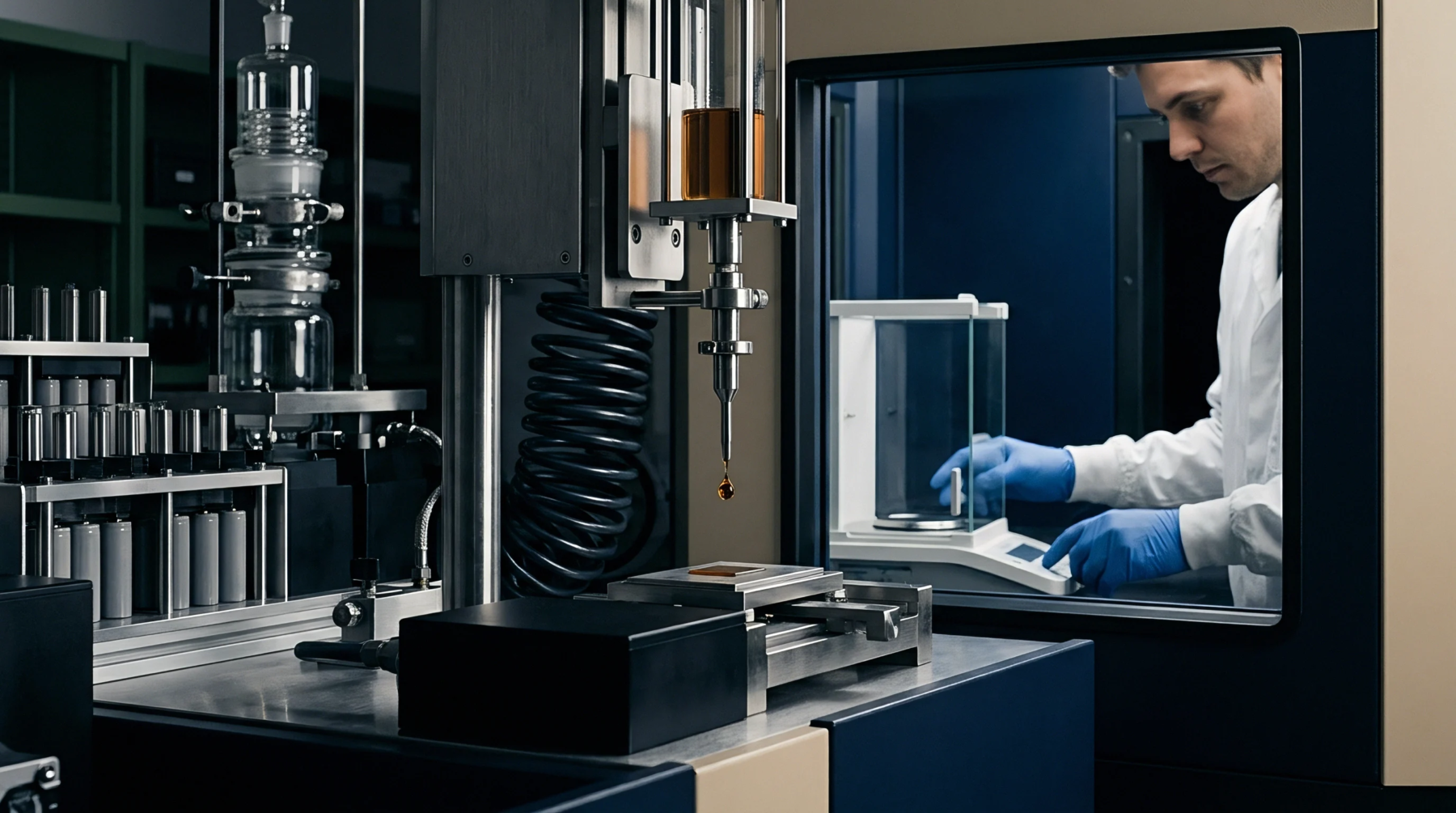
Primary Precursor Droplet Breakup Physics in Two-Fluid Gas Atomization
Primary precursor breakup in two-fluid gas atomization depends on aerodynamic shear matching liquid surface tension to yield uniform droplets before secondary breakup.
Primary precursor breakup in two-fluid gas atomization depends on aerodynamic shear matching liquid surface tension to yield uniform droplets before secondary breakup.

Optimizing close-coupled nozzle tip recess and gas-to-metal ratio maximizes fine high-alloy steel powder yield while preventing nozzle freeze-up.

Optimizing gas atomization pressure ratio balances supersonic kinetic energy against tip aspiration pressure to maximize fine tool steel powder yields without satellites.

Dynamic mass loss from micrometer seam fissures breaches chemical stability limits long before tripping UN 38.3 gross gravimetric transport thresholds.

Thermodynamic modeling balances gas kinetic energy against solute-dependent surface tension and rapid solidification kinetics to control tool steel powder yield.

Melt superheat governs liquid metal viscosity, defining delivery nozzle stability, carbide dispersion, and fine particle yields during gas atomization.

Rapid droplet solidification dynamics dictate grain size, microsegregation, and sphericity in battery powder synthesis, setting tap density and yield.

Argon void modeling links powder atomization physics to HIP kinetics, allowing buyers to set strict gas limits that prevent tool strength loss.
Expertise is a utility, not a secret. sentiention™ publishes its working knowledge as open reference: intelligence layer covering the materials it sources, the markets it enters, and the reference that serves both.