Meaning
Accelerated environmental testing under corrosive mist conditions evaluates the durability of metallic materials and protective layers. Subjecting components to a salt spray test assesses the resistance of external battery terminations to coastal or saline road conditions. This procedure is defined by global standards like ASTM B117.
It stops applying once electrical breakdown or major mechanical loss occurs.
Chamber Condition
Controlled temperature and continuous atomization of a sodium chloride solution maintain a uniform corrosive environment. During the salt spray test, the temperature remains at thirty-five degrees Celsius within the sealed chamber. This consistency prevents variations in chemical reaction rates.
Uniform spraying ensures repeatable testing.
Coating Evaluation
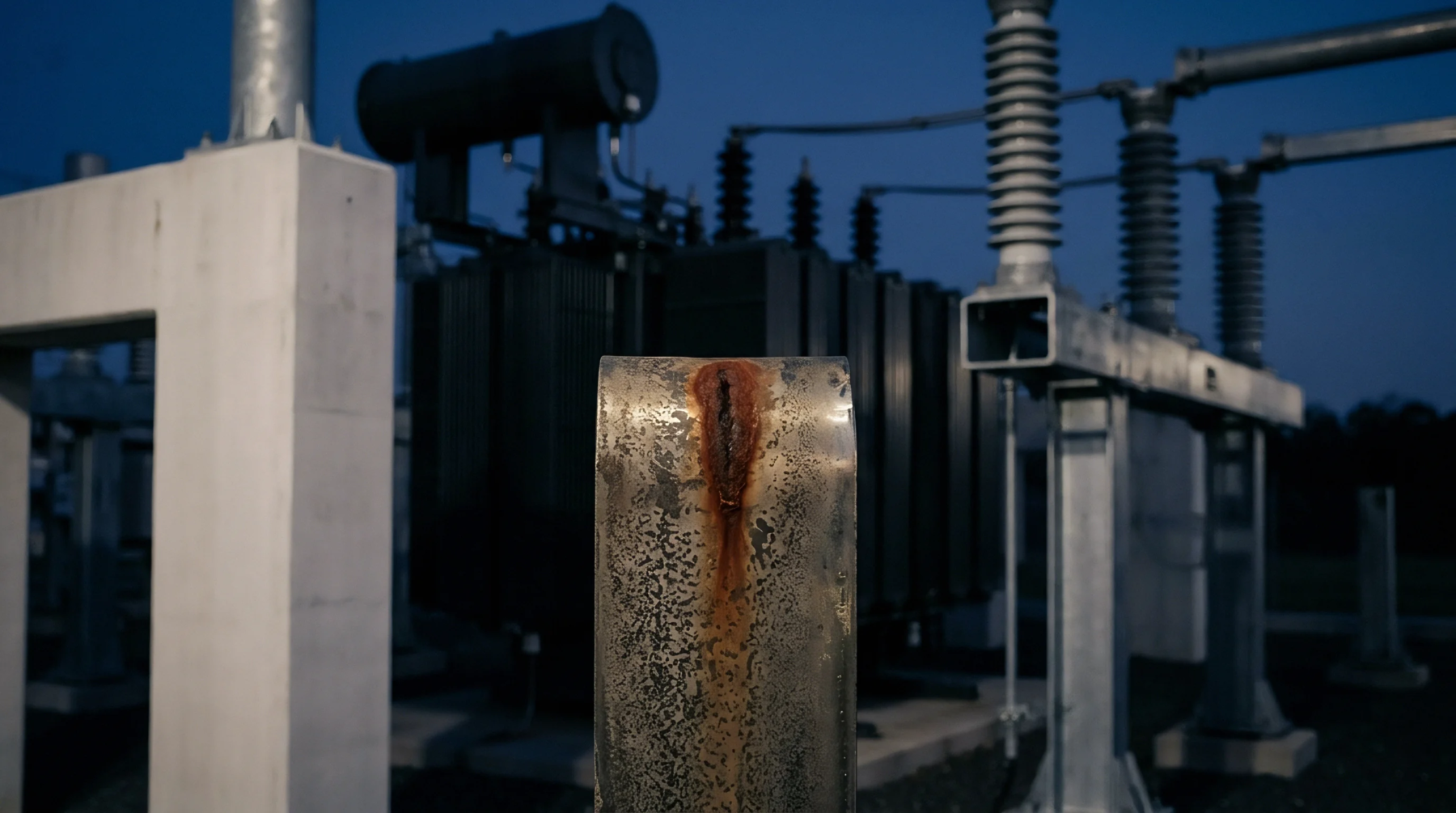
Surface treatments such as nickel plating or polymer coatings must prevent moisture from reaching the base copper tab. If the salt spray test reveals early bubbling or red rust, the plating thickness is insufficient for outdoor environments. Testing times range from forty-eight to one thousand hours depending on specifications.
Successful pass marks prevent field recalls.
Degradation Rate
Chemical oxidation rates are artificially accelerated to simulate years of service in weeks. Monitoring the progression of corrosion during a salt spray test allows engineers to forecast the operating lifetime of outdoor power installations.