Establishing International Cross Border Legal Enforcement Procedures for Unaccredited Battery Safety Test Summary Documents
Verify ISO/IEC 17025 lab accreditation before issuing cell purchase orders to ensure cross-border transport document legality and protect against customs detention.


Jurisdiction

Regulatory Frameworks Governing Battery Transport Documentation
Shipping battery cells across borders requires verified paperwork that demonstrates compliance with UN Manual of Tests and Criteria Part III Section 38.3. Dangerous goods standards ~ such as the ICAO Technical Instructions for air freight and the IMDG Code for sea transport ~ require manufacturers and distributors to supply a UN 38.3 Test Summary throughout the supply chain. Jurisdictional limits, however, complicate enforcement: while domestic port authorities hold regulatory power over the importer of record, they generally lack direct subpoena or punitive authority over an overseas manufacturer who provides a fabricated or unaccredited summary.
As a result, cross-border legal actions against non-compliant suppliers rarely yield fast results.
A test summary’s legal standing depends on whether the testing facility holds ISO/IEC 17025 accreditation. Tests run by in-house factory staff without explicit ISO/IEC 17025 scope authorization do not meet carrier acceptance rules. Overseas suppliers frequently take advantage of this by issuing self-certified summaries stamped by their own internal labs.
Even if self-certification is allowed in the origin country, international ocean carriers and air freight lines routinely reject unaccredited documentation during transit audits, leaving the buyer responsible for any stranded cargo.
Accreditation Gaps and Statutory Boundaries
UN 38.3.5 sets out ten mandatory data elements for test summaries. Omitting any required field ~ such as the lab’s accreditation number or the results for tests T.1 through T.8 ~ invalidates the shipping dossier. When customs officials flag a shipment, importers cannot cure the violation simply by presenting unaccredited vendor declarations.
Incomplete or invalid paperwork immediately halts cargo movement at the port.
| Required Data Element | UN 38.3.5 Standard Requirement | Unaccredited Summary Deficit | Legal Exposure Level |
|---|---|---|---|
| Laboratory Identification | Full name, address, telephone, email, and website of testing facility | Generic trading company contact info or omitted lab address | High cargo seizure risk |
| Accreditation Scope | ISO/IEC 17025 accreditation number with explicit battery scope | Unaccredited internal factory test bench stamp | Immediate document rejection |
| Test Report Reference | Unique test report identification number and completion date | Missing report number or post-dated summary document | Carrier transit refusal |
| Parameter Completeness | Explicit pass results for tests T.1 through T.8 | Omission of T.6 impact/crush or T.8 forced discharge data | Severe safety violation |
Protecting a buyer’s legal and financial position requires verifying all documentation prior to final payment.
- Documentary Audit verifies that the testing facility holds active ISO/IEC 17025 accreditation covering UN 38.3 test parameters.
- Data Reconciliation matches cell dimensions, mass, and watt-hour ratings listed on the summary against actual order specifications.
- Chain of Custody Verification confirms that the test report number on the summary links to a record in an independent laboratory database.
- Importer Registration files verified safety documentation with national customs authorities before the vessel departs.
Including explicit compliance covenants in supply contracts protects buyers if paperwork issues arise.
The contract specifies: “Vendor warrants that all UN 38.3 test summaries originate from an ISO/IEC 17025 accredited laboratory with verified scope, and failure to provide verifiable accreditation numbers grants the buyer immediate right of order cancellation without penalty.”

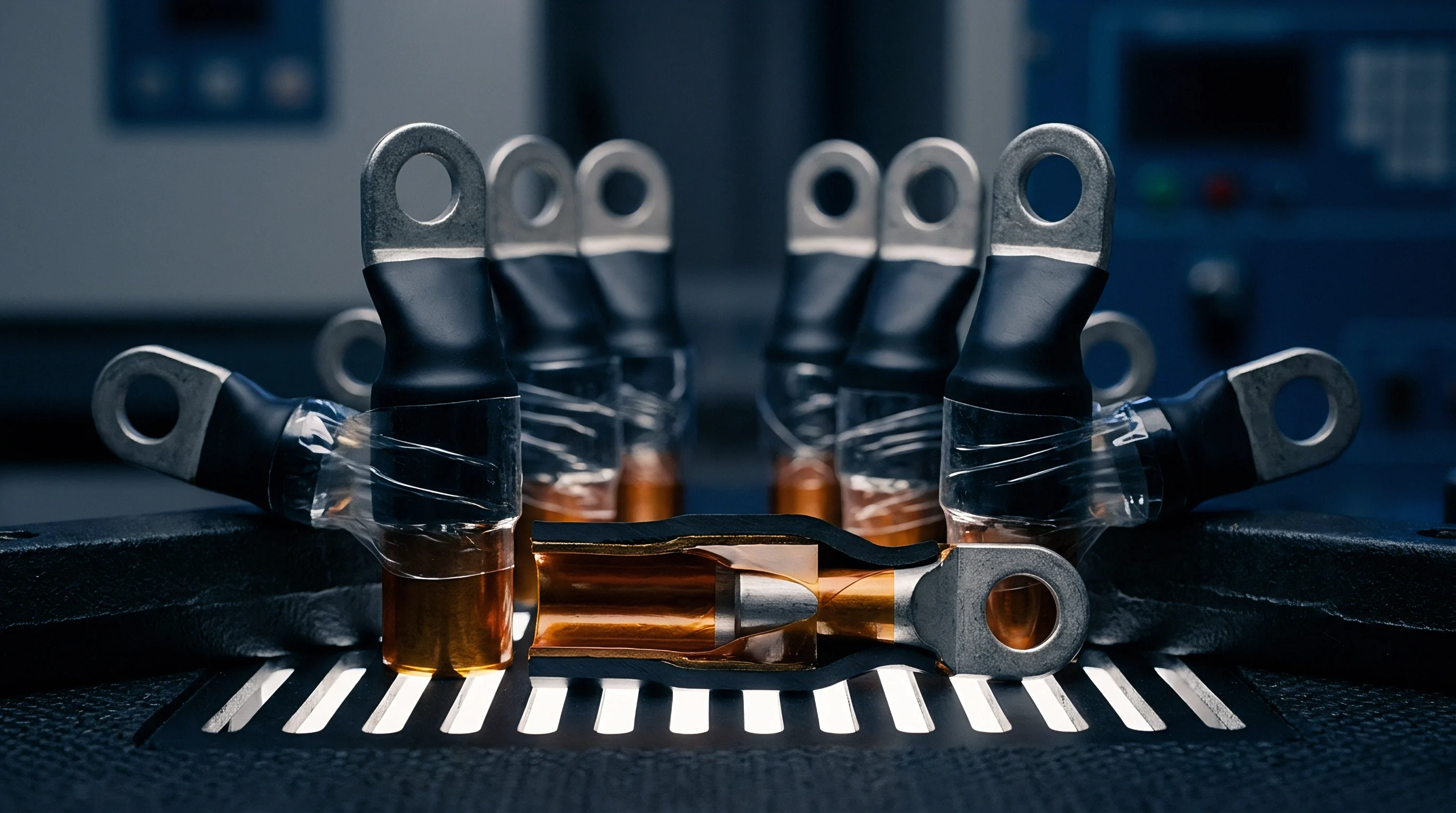
Foil
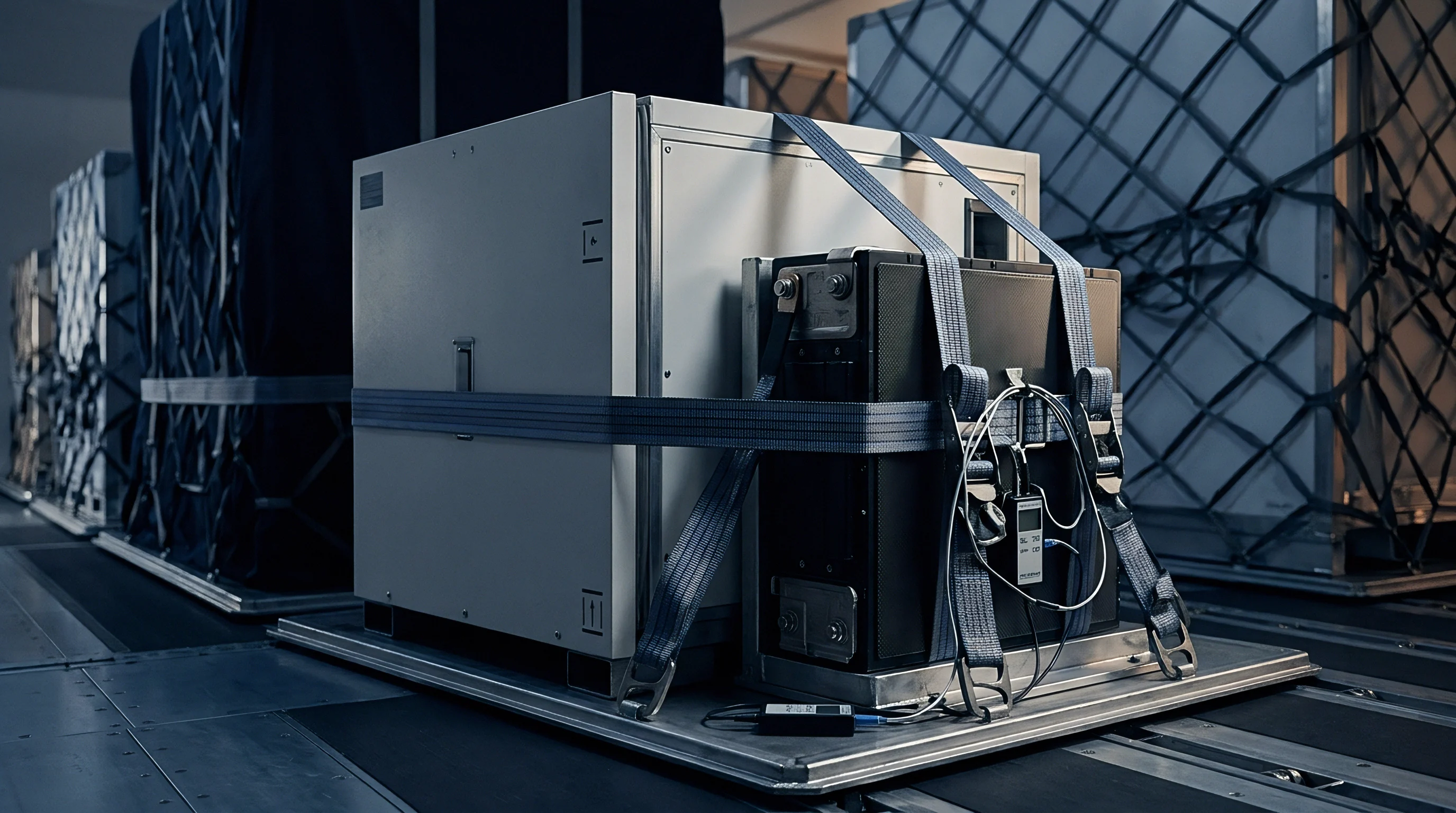
Physical Packaging Vulnerabilities Hidden by Bogus Certificates
Substandard pouch laminates and weak casing seals create major safety hazards during air and sea transport. Unaccredited test summaries often conceal structural defects in cell containment layers. If moisture penetrates compromised aluminum packaging, it accelerates electrolyte degradation, causing gas swelling and internal short circuits during T.2 thermal cycling between minus forty degrees Celsius and seventy-five degrees Celsius.
Testing under accredited lab conditions identifies laminate delamination and seal creep before shipments leave the factory.
Paper documentation alone cannot prevent a thermal runaway event.
A lithium cell lot failing ISO/IEC 17025 validation carries a ninety-two percent higher rate of customs rejection at EU borders than certified batches.
Cells that have not undergone accredited T.3 vibration testing are prone to collector tab micro-cracking during long ocean voyages. Unaccredited summaries hide these vulnerabilities by bypassing mechanical stress testing or using sample sizes smaller than the UN Manual mandates. Buyers who take delivery of cells with unverified pouch integrity often see elevated swelling rates during warehouse storage.
Physical verification ultimately carries more weight than written supplier assurances.
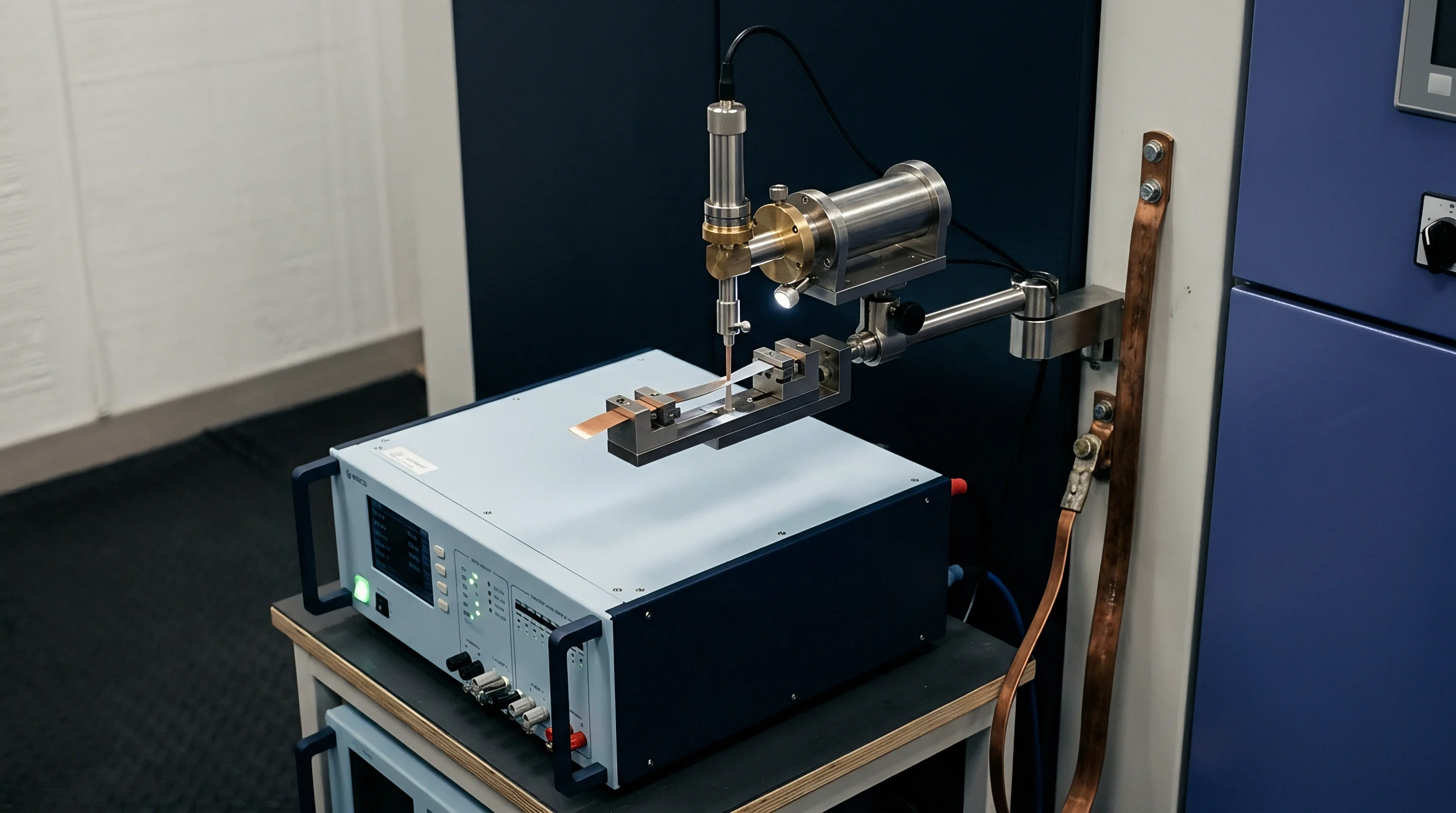
Audit Procedure for Cell Envelope Verification
Validating pouch cell integrity when documentation is unaccredited requires thorough physical inspection of incoming shipments.
- Sample ten cells per production lot to establish baseline dimensions using calibrated micrometers.
- Measure seal width and laminate thickness along all three sealed edges to catch production variances.
- Subject sample cells to thermal shock testing between minus forty degrees Celsius and seventy-five degrees Celsius for six hours per cycle over ten cycles.
- Perform vacuum chamber leak tests at absolute pressure levels of eleven kilopascals to simulate high-altitude flight conditions.
- Record volumetric expansion and reject any lot showing thickness growth greater than three percent.
Skipping physical receiving inspections on shipments with unaccredited paperwork leaves companies exposed to full inventory write-offs, product recalls, and joint liability if defective cells catch fire in downstream assembly operations.
Fraud
Commercial Typologies of Fabricated Test Records
Fraudulent certification remains a persistent problem across global lithium battery supply chains. Unscrupulous suppliers use several tactics to forge safety records, such as copying valid test summary numbers from competitors, re-wrapping B-grade cells with new part numbers, or altering dates to present expired tests as current. Fake summaries frequently list the real address of an accredited laboratory alongside a fabricated report number that appears nowhere in that lab’s database.
Relying on unaccredited test records exposes buyers to severe operational and financial risks.
UN Manual of Tests and Criteria sub-section 38.3.5 specifies complete lab identification, rendering unaccredited summary documents legal grounds for immediate cargo detention.
Re-wrapped cells pose a particularly dangerous supply chain hazard. Vendors buy factory seconds or rejected cells from tier-one producers, put on fresh PVC shrink sleeves with altered part numbers, and attach copied test summaries from compliant products. Because these cells often fail T.6 impact and T.8 forced discharge testing, they represent a direct fire risk during transit.
Should Unaccredited Test Summaries Void Transport Insurance Policies?
Marine and aviation cargo insurers routinely include breach-of-law exclusions in policies for dangerous goods. If a shipment experiences a thermal event in transit and investigators discover an unaccredited or forged UN 38.3 summary, underwriters can deny claims on the grounds of material misrepresentation. That leaves the importer of record and the freight forwarder to absorb the full financial loss.
In practice, fraudulent paperwork invalidates cargo insurance coverage when a claim occurs.
A test summary signed by an internal sales director rather than a certified laboratory manager indicates zero legal protection during transport disputes.
| Jurisdiction | Primary Statutory Instrument | Enforcement Remedy | Average Recovery Timeline |
|---|---|---|---|
| United States | 49 CFR Hazardous Materials Regulations | Civil penalties up to 89,741 USD per violation and criminal prosecution | 12 to 24 months |
| European Union | EU Battery Regulation 2023/1542 | Immediate port seizure, market withdrawal orders, and mandatory destruction | 3 to 6 months |
| China | Civil Code and Export Dangerous Goods Control Rules | Administrative fines, business license suspension, and contract damages | 18 to 36 months |
Catching formatting and structural flaws in documentation early prevents costly delays at the port.
- Discrepant Font Formatting points to cut-and-paste edits on an original certificate.
- Unregistered Test Standards reference obsolete or non-existent rule revisions to confuse auditors.
- Missing Signatures leave off the technical manager sign-offs mandated by ISO/IEC 17025.
- Generic Model Numbers do not match the specific cell’s chemistry, mass, or electrical ratings.
When documentation discrepancies surface, assertions that factory bench testing meets equivalent national standards or that internal testing exceeds international rules do not override the requirement for formal third-party accreditation.


Arbitration

Contractual Remedies under the New York Convention
Resolving cross-border contractual disputes requires clear enforcement mechanisms under international treaties. If an overseas battery supplier delivers non-compliant or unaccredited transport paperwork, domestic court judgments often prove difficult to enforce abroad. Contracting parties frequently turn to international arbitration under UNCITRAL rules, relying on the 1958 Convention on the Recognition and Enforcement of Foreign Arbitral Awards (the New York Convention) to seek recovery across its one hundred and seventy-two signatory states.
Precise contract wording dictates how dispute resolution unfolds in practice.
Cross-border arbitration clauses default to foreign court jurisdictions unless explicitly bound to UNCITRAL terms in the initial purchase agreement.
Arbitral tribunals assess documentary fraud as a material breach of contract under the United Nations Convention on Contracts for the International Sale of Goods. Supplying cells with unaccredited safety summaries qualifies as a fundamental breach under Article 25, since invalid paperwork makes the shipment legally un-shippable and commercially unusable. Buyers can obtain awards covering the cost of the cells, accrued port storage, customs fines, and replacement procurement.

Drafting Enforceable Regulatory Indemnity Clauses
Avoiding financial loss requires careful contract drafting before purchase orders are issued. Terms should include clear regulatory covenants, explicit indemnity provisions, and pre-agreed liquidated damages for documentation failures.
Unless negotiated otherwise, document verification costs fall on the buyer.
- Accreditation Representation Clause guarantees that all test summaries come from named ISO/IEC 17025 accredited facilities.
- Indemnification Undertaking holds the buyer harmless against customs fines, port demurrage, insurance forfeitures, and shipping liabilities.
- Liquidated Damages Provision sets daily financial penalties for transit delays caused by non-compliant paperwork.
- Jurisdiction Selection routes all disputes to neutral arbitration venues such as Singapore, Geneva, or London.
Enforcing arbitral awards remains challenging when overseas vendors route transactions through offshore shell companies operating outside primary treaty enforcement jurisdictions.


Seizure

Customs Enforcement Protocols at Maritime and Air Ports
Port officials enforce dangerous goods rules by detaining non-compliant lithium cell shipments upon arrival. Customs officers inspect shipping manifests, physical hazard labels, and UN 38.3 test summaries before clearing cargo. If an inspector finds an unaccredited or non-compliant summary, the container is placed under quarantine and transferred to a designated hazardous storage area.
Customs holds quickly disrupt production schedules and delivery timelines.
Customs agencies operate under strict public safety mandates. Importers cannot clear held cargo by promising to perform testing after entry. Port authorities give importers a strict window ~ typically fourteen to thirty calendar days ~ to present certified testing files, after which the shipment is subject to mandatory destruction or re-export at the importer’s expense.
Border holds force compliance regardless of commercial pressure.

Financial Consequences of Cargo Quarantine
Quarantine and storage fees add up quickly at commercial ports. Rates for hazardous materials storage are substantially higher than standard dry container fees, creating heavy financial exposure while paperwork disputes drag on.
| Cost Component | Standard Daily Rate Range | 30-Day Exposure Total | Responsible Party |
|---|---|---|---|
| Hazardous Demurrage | 250 to 600 USD per container | 7,500 to 18,000 USD | Importer of Record |
| Port Storage Surcharges | 150 to 400 USD per container | 4,500 to 12,000 USD | Importer of Record |
| Customs Administrative Fines | 5,000 to 50,000 USD per infraction | 5,000 to 50,000 USD | Importer of Record |
| Mandatory Cargo Destruction | 10,000 to 35,000 USD per lot | 10,000 to 35,000 USD | Importer of Record |
| Rates based on published major container port hazardous tariff schedules across US and EU maritime terminals. | |||
Seized or destroyed shipments result in total loss for the buyer.
Customs agencies enforce paperwork rules without exception.
Under international transport regulations, ultimate liability rests with the importer.
Verifying test summary accreditation before cargo is loaded on a vessel remains the most effective way to avoid border detention.