Meaning
Physical compression and subsequent thickness reduction of elastomeric barrier sheets placed between cells under applied forces represent a standard mechanical behavior in battery module assemblies. This change in thickness, defined as silicone foam deflection, determines how well the material cushions cell expansion during charging and aging. Procurement specifications for compression pads are determined by the force-deflection curves of the selected foam grade.
The measurement represents the relationship between the applied pressure and the resulting material displacement.
Mechanical Characteristic
Testing the silicone foam deflection under cyclic loads simulates battery operation. High-performance elastomers return to their original thickness when the pressure is released. This resilience prevents the formation of air gaps between the cells.
Module Design
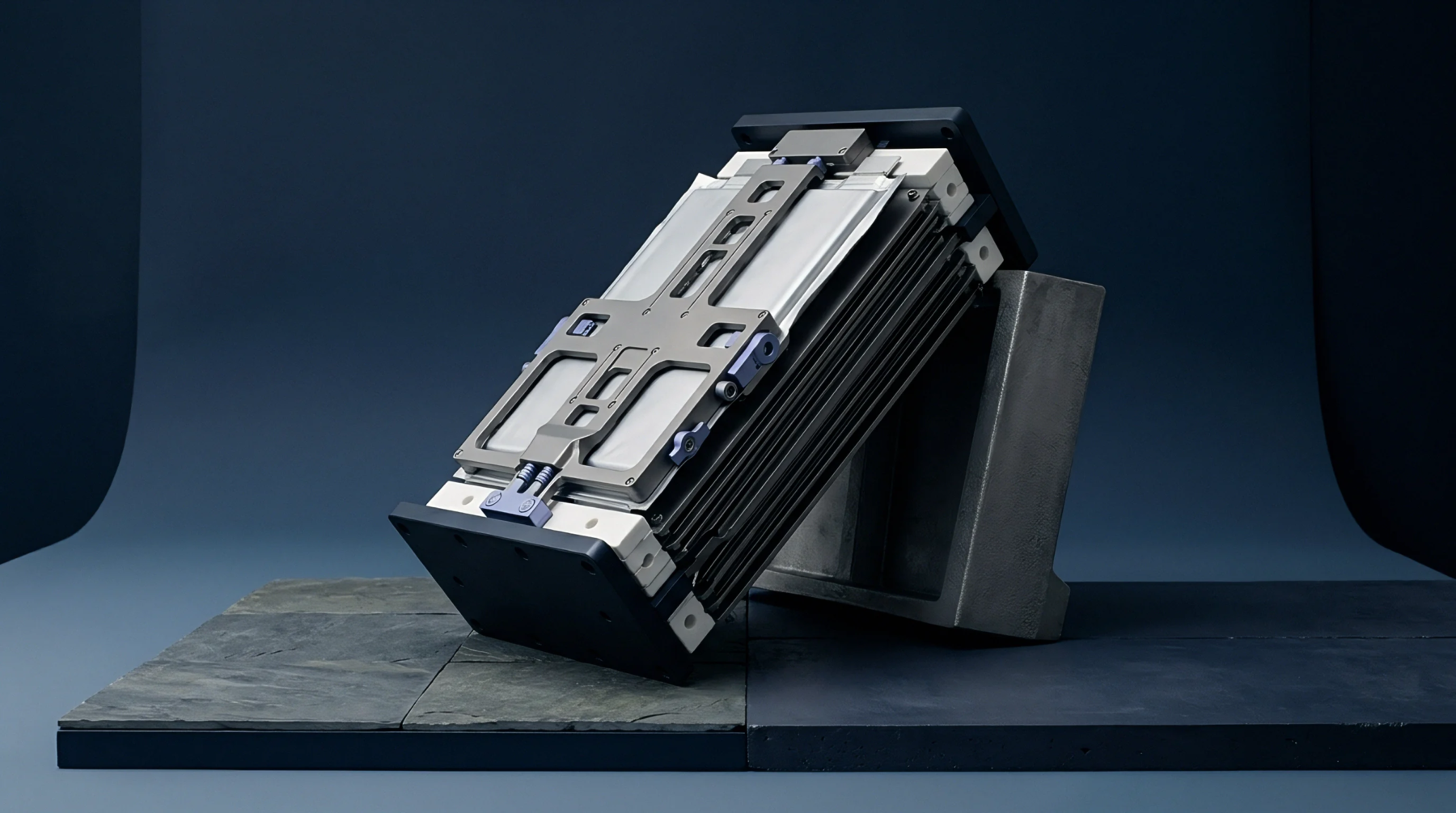
Mechanical engineers utilize the non-linear compression profiles of these pads to optimize the internal spacing of the module. Incorporating the curves of silicone foam deflection into finite element analysis allows for the accurate prediction of endplate stress. If the foam deflects too easily, the cells will not be held securely, leading to risk of damage from road vibrations.
If it is too stiff, cell expansion will generate excessive force on the structural housing.
Pressure Management
Maintaining cell pressure within a specific narrow range throughout the entire battery life requires careful selection of the foam thickness and density. As the cell swells over time, silicone foam deflection increases to absorb the added volume, preventing pressure spikes. This passive regulation mechanism ensures that the electrodes remain flat without exceeding the structural yield limits of the aluminum endplates.
Proper force management improves the cycle life of the cells by maintaining uniform internal cell compression. In long-range electric vehicles, this material choice directly affects pack longevity and reduces the need for heavy structural reinforcement.