Meaning
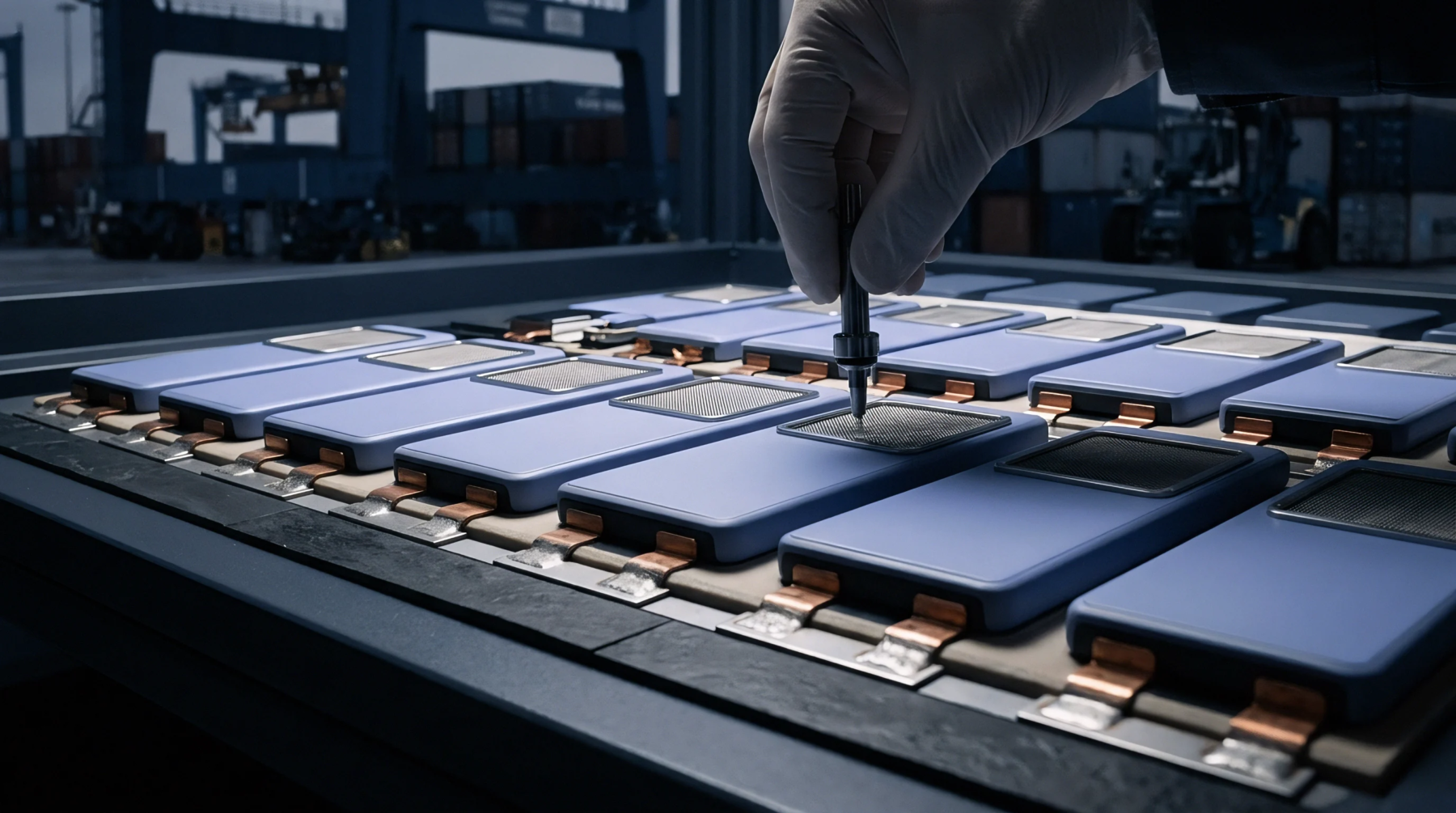
Compressive forces applied to elastic silicone foam sheets during module construction establish a steady initial pressure on the faces of the battery cells. Sourcing and engineering departments specify the silicone sponge preload to maintain uniform face pressure without exceeding the structural limits of the surrounding enclosure. This mounting force prevents the cells from shifting during transportation or operation.
Mechanical Balance
Elastomeric foams must be compressed to a specific percentage of their thickness during installation to ensure they can expand or contract with the cell. If the preload is set too low, the foam cannot absorb the cell expansion without a huge increase in pressure; if too high, the initial force can damage the housing before the battery even begins operation. Establishing the correct installation pressure protects both the cells and the structural brackets from excessive force.
Engineers utilize these pressure profiles to balance the mechanical load throughout the charging and discharging cycles.
Material Longevity
Silicone compounds are selected because they exhibit low compression set, meaning they retain their elasticity and return force over years of thermal exposure and cyclic loading. Organic polyurethane foams can lose their resilience under high temperatures, which causes the pressure to drop below the safe minimum. Sourcing this premium material ensures that the mechanical constraint remains effective across the entire expected service life of the battery.
Module Assembly
Fixtures on the production line use automated rams to compress the cell stack and the silicone sheets to the target thickness before the end plates are welded or bolted. This automated assembly process ensures that the preload pressure is consistent across every module built. By using precise measurement sensors, the line verifies that each finished sub-assembly sits within the allowed structural tolerance, reducing production variance and preventing the shipment of defective modules.